
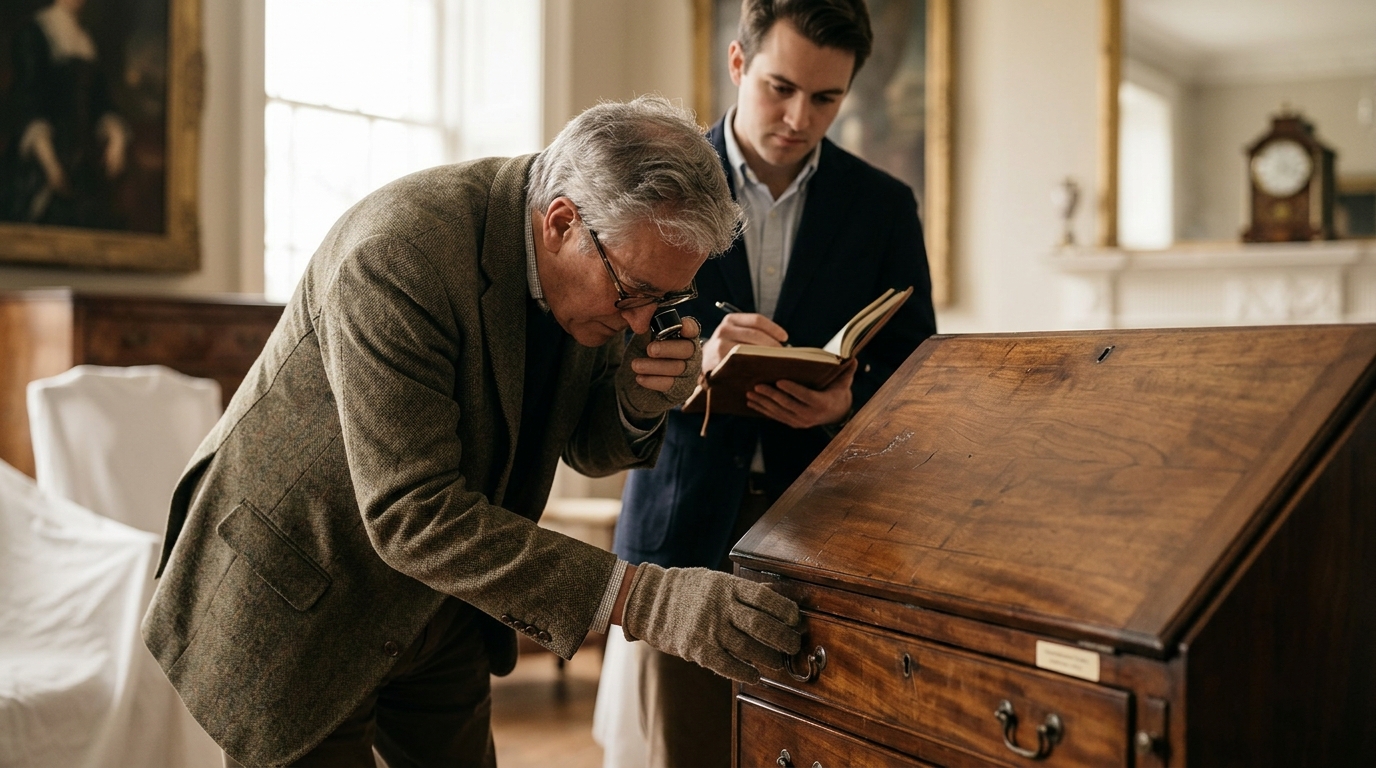
How to Evaluate the Condition of Antique Furniture for Sale
Antique furniture represents a significant intersection of historical value and material integrity. According to industry data, the global antique and collectibles market has seen consistent growth, with high-quality pieces often appreciating in value while those with structural compromise depreciate rapidly. Understanding the nuances of condition is not merely about aesthetics; it is about identifying the structural soul of the piece. At Hess Fine Art, we evaluate millions of dollars worth of items annually, and the condition report is always the primary driver of valuation. This guide provides a rigorous framework for assessing antique furniture, ensuring you can distinguish between a valuable restoration project and a piece with inherent structural flaws.
1. Assessing Structural Integrity and Joinery
The foundation of any antique furniture evaluation lies in its joinery. Unlike modern furniture, which often relies on staples, glue, or screws, authentic antiques utilize complex mechanical joints that have stood the test of time. When evaluating a piece, you must look for evidence of these traditional methods.
Checking for Loose Joints
Gently but firmly attempt to rock the piece. A well-preserved antique should feel solid. If you hear creaking or feel movement in the legs or frame, the joinery has failed. This is often due to the natural expansion and contraction of wood over decades. Hess Fine Art experts look closely at mortise and tenon joints, which are the hallmark of quality craftsmanship from the 18th and 19th centuries.
Identifying Original Hardware
Original hinges, locks, and handles are critical indicators of authenticity. Replaced hardware can significantly diminish value. Check for wear patterns that match the age of the piece. If the wear on the keyhole or hinge pin is inconsistent with the rest of the piece, it may have been replaced. For a deeper understanding of how hardware affects valuation, review our articles on collectibles.
2. Identifying Wood Types and Authenticity
Knowing the wood species is essential for accurate valuation. Different woods were used in different eras and regions. For instance, mahogany was popular in Georgian and Federal period furniture, while walnut was favored in the Victorian era.
Examining the Grain
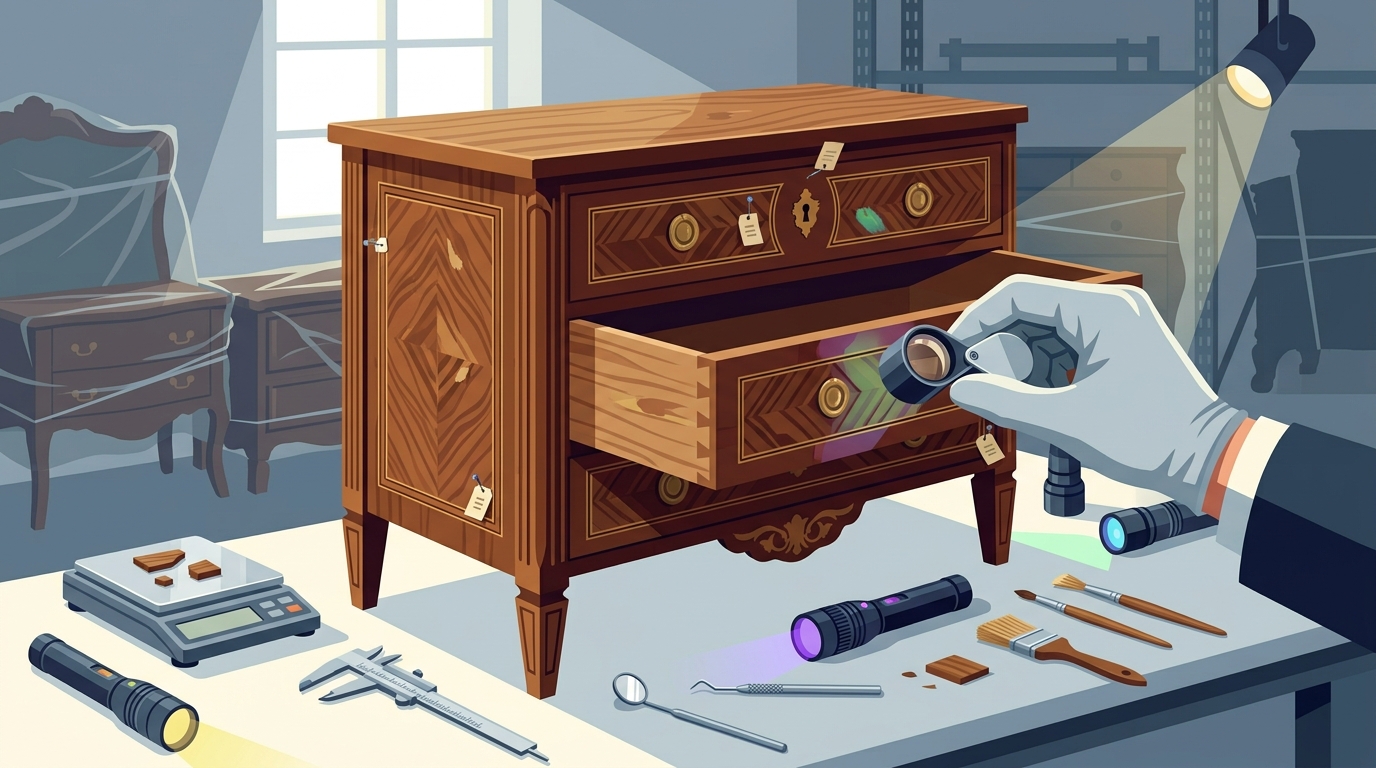
Look at the grain pattern on the underside, inside drawers, or back panels. Antique furniture often features "figured" wood, such as burl or crotch grain, which indicates a higher quality piece. If the grain on the front does not match the grain on the sides, the front may be a veneer applied over a cheaper substrate. This is common in high-end antiques but must be distinguished from modern reproductions.
Detecting Veneers vs. Solid Wood
Veneers are thin slices of expensive wood glued to a cheaper base. While not inherently bad, the condition of the veneer is crucial. Look for lifting edges, bubbles, or discoloration. At Hess Fine Art, we carefully inspect veneers to determine if they are original or later additions. Original veneers in good condition add value, while damaged or replaced veneers require significant restoration.
3. Evaluating Surface Patina and Finish
Patina is the surface appearance that develops over time due to handling, cleaning, and exposure to light. It is often described as the "soul" of the antique. A good patina is smooth, deep, and lustrous, indicating age and care.
Distinguishing Patina from Dirt
Novices often mistake accumulated grime for patina. True patina is part of the wood surface, while dirt sits on top. If a piece looks dull and gray, it may need professional cleaning. However, aggressive cleaning can strip the patina, destroying value. Our team of experts uses specialized techniques to clean antiques without damaging the original finish.
Assessing Finish Condition
Check for cracks, crazing, or flaking in the finish. Shellac, varnish, and lacquer all age differently. Cracking in the finish is normal for very old pieces, but large areas of flaking indicate poor preservation. If the finish has been completely stripped and refinished, the value drops significantly because the original surface is gone.
4. The Impact of Restoration on Value
Restoration is a double-edged sword. Proper restoration can save a piece from ruin, but poor restoration can destroy its value. The key is transparency and quality.
Minor vs. Major Restoration
Minor restoration includes tightening joints, replacing missing hardware with period-appropriate replicas, and cleaning. This is generally acceptable and often necessary. Major restoration involves replacing large sections of wood, re-carving elements, or refinishing the entire piece. This significantly reduces value because the piece is no longer "original." According to market trends, collectors prefer pieces with "honest wear" over those that have been heavily restored.
Identifying Inappropriate Repairs
Look for signs of amateur repairs, such as visible glue stains, mismatched wood, or modern screws. These indicate that the piece has been handled by someone without professional expertise. If you are unsure about the restoration history of a piece, contact us for a professional assessment.
5. Common Flaws and Red Flags
When evaluating antique furniture, be vigilant for specific flaws that can indicate serious problems.
Woodworm and Insect Damage
Small holes in the wood are a sign of insect infestation. While some damage is common in very old pieces, active infestation is a major red flag. Look for fresh frass (sawdust-like powder) near the holes. If active, the piece must be treated before it can be sold or displayed.
Water Damage and Stains
White rings or dark stains from water exposure are common. White rings are often surface-level and can sometimes be removed, but dark stains indicate water has penetrated the wood, which is harder to fix. Check the underside of tables and the backs of cabinets for water damage.
Structural Cracks
Small cracks in the wood are normal due to humidity changes. However, large cracks that compromise the structural integrity of the piece are serious. If a crack runs through a joint or across a panel, it may require professional repair.
Key Takeaways
- Joinery is Key: Look for mortise and tenon joints and original hardware as indicators of authenticity.
- Patina Matters: Preserve the original surface finish; do not strip or aggressively clean antiques.
- Wood Identification: Understand the wood species and check for veneers vs. solid wood.
- Restoration Impact: Minor restoration is acceptable, but major restoration significantly reduces value.
- Inspect for Damage: Check for woodworm, water stains, and structural cracks.
- Professional Appraisal: Always seek expert evaluation for high-value pieces.
- Documentation: Keep records of any repairs or restorations performed on the piece.
Frequently Asked Questions
How do I know if antique furniture is authentic?
Authenticity is determined by examining the joinery, hardware, wood types, and signs of age. Look for hand-cut dovetails, irregular saw marks, and natural wear patterns. Our articles provide more details on identifying authentic antiques.
What is the most valuable type of antique furniture?
Value depends on rarity, condition, and provenance. Pieces from renowned makers or with historical significance, such as those from the Federal or Georgian periods, are often the most valuable. Hess Fine Art specializes in high-value antiques.
Can I restore antique furniture myself?
Minor cleaning and tightening are safe for DIY. However, major restoration, refinishing, or structural repairs should be done by professionals to preserve value.
How does condition affect the price of antique furniture?
Condition is the primary driver of price. A piece in original, unrestored condition with good patina will command a much higher price than one that has been heavily restored or damaged.
What should I look for when buying antique furniture online?
Request detailed photos of the underside, inside drawers, and any damage. Ask for a condition report from the seller. If possible, inspect the piece in person before purchasing.
Is it better to buy restored or unrestored antique furniture?
Unrestored pieces in good condition are generally more valuable. However, a well-restored piece can be a good investment if the restoration is high-quality and documented.
How do I clean antique furniture without damaging it?
Use a soft, dry cloth to dust. Avoid water and harsh chemicals. For deeper cleaning, consult a professional restorer. Contact us for advice on cleaning your antiques.
Contact Us for Appraisal
Evaluating antique furniture requires expertise and experience. Whether you are looking to sell, buy, or simply understand the value of your collection, Hess Fine Art is here to help. Our team of experts provides accurate appraisals and fair offers for your antiques. Contact us today to schedule a consultation.