
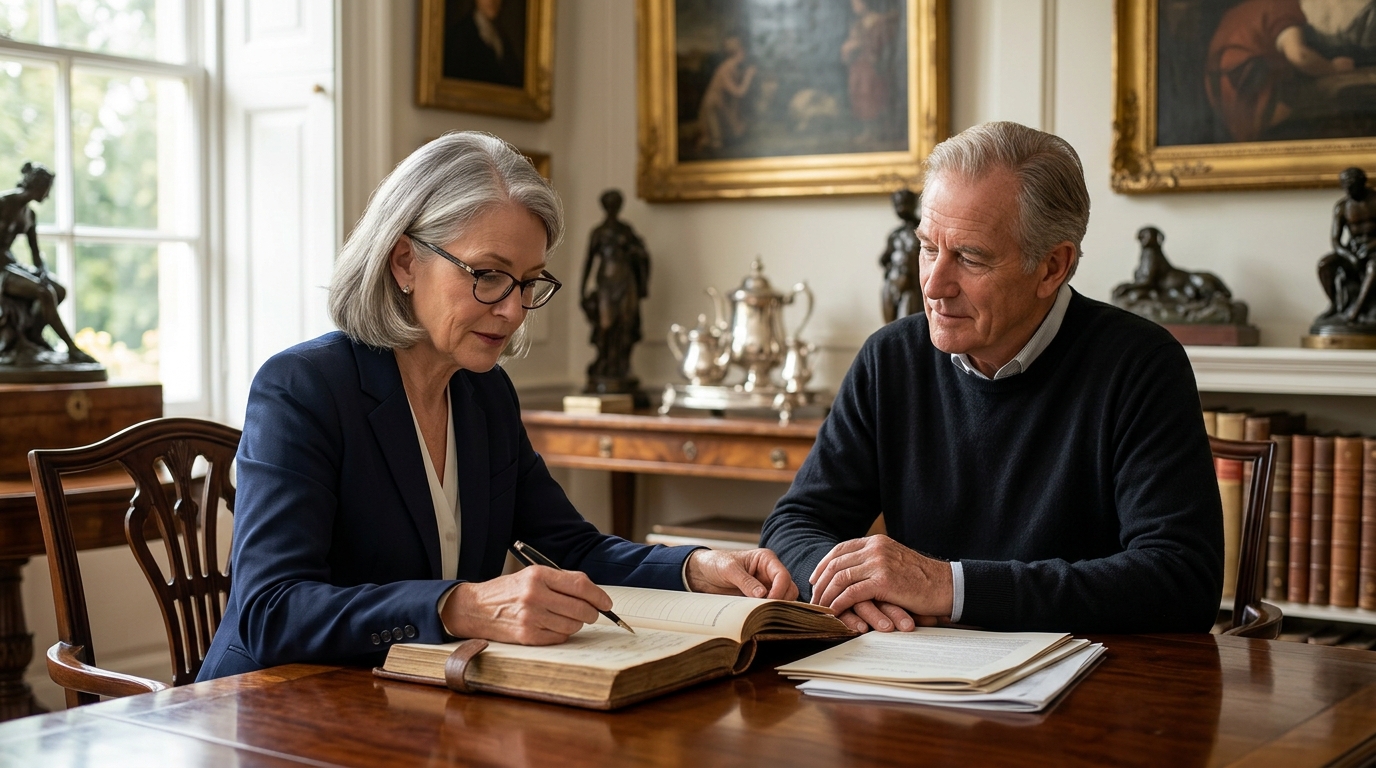
Liquidating a comprehensive art collection requires more than just listing items online. It demands a strategic approach to valuation, authentication, and buyer negotiation. According to industry data, professional auction houses and specialized buyers handle millions of dollars in assets annually, ensuring that high-value pieces receive accurate market appraisal. This guide outlines the precise workflow for transitioning from ownership to a finalized sale with a national expert. (Contact Hess Fine Art)
Step 1: Initial Collection Assessment
Before contacting any buyer, you must conduct a thorough inventory of your entire collection. This process involves cataloging every piece, including paintings, sculptures, furniture, and rare collectibles. Accuracy here is critical because it establishes the baseline for your negotiation leverage.
Start by gathering all existing documentation. Provenance papers, original receipts, and previous auction catalogs significantly increase the perceived value of your assets. If you have any prior appraisals, organize them chronologically. This documentation serves as the primary evidence of authenticity and ownership history.
Next, create a detailed digital inventory. High-resolution photographs of each item are essential. Capture front, back, and side angles. For signed works, ensure the signature is clearly visible. For furniture or large sculptures, include photos that demonstrate scale and condition. This digital dossier allows national buyers to perform preliminary screenings without requiring an immediate physical inspection.
Step 2: Professional Valuation and Authentication
Once your inventory is complete, the next phase involves professional authentication. Art valuation is not a static process. Market trends shift, and the value of specific artists or periods fluctuates based on economic conditions and collector demand. According to recent market reports, the average time to sell a high-value art collection through a specialized buyer is significantly faster than through public auction, often resulting in higher net proceeds due to reduced fees.
Seek out experts who specialize in your specific niche. If your collection includes vintage watches, you need a buyer with horological expertise. If it features estate jewelry, a GIA Graduate Gemologist is required. Hess Fine Art, for instance, employs multiple GIA Graduate Gemologists and has staff members who lecture for the American Society of Appraisers. This level of specialized knowledge ensures that your items are identified accurately, preventing undervaluation.
During this stage, the buyer will likely request a physical inspection. This is a standard procedure for high-value transactions. The expert will examine the condition, materials, and authenticity of each piece. They may use specialized tools to verify metal purity in jewelry or analyze paint layers in paintings. This rigorous examination protects both parties by establishing a fair market value.
Step 3: Selecting the Right National Buyer
Choosing the correct buyer is the most critical decision in the selling process. You have three primary options: public auction houses, private galleries, and national cash buyers. Each has distinct advantages and disadvantages.
| Option | Pros | Cons | Best For |
|---|---|---|---|
| Public Auction | Access to global bidders; potential for high prices on rare items. | Long timeline; high seller fees; risk of unsold items. | Extremely rare or unique pieces with high upside potential. |
| National Cash Buyer | Immediate payment; no fees; guaranteed sale; privacy. | Lower price point than auction; requires thorough vetting. | Complete collections; urgent liquidity needs; high-volume assets. |
| Private Gallery | Personalized service; potential for long-term consignment. | Slow payment terms; limited buyer network. | Curated, high-end contemporary art. |
For entire collections, national cash buyers often provide the most efficient solution. Companies like Hess Fine Art buy millions of dollars worth of items every year. They pay the most because they can identify items accurately and have a broad scope of operations. This allows them to absorb the entire collection, eliminating the risk of individual items failing to sell.
Step 4: Secure Logistics and Insurance
Once you have selected a buyer, the logistical phase begins. Transporting a large collection requires professional handling to prevent damage. Never attempt to move high-value art or fragile antiques yourself. Reputable buyers often provide white-glove pickup services or can recommend specialized art shippers.
Ensure that the buyer carries adequate insurance during transit. This coverage protects your assets from loss or damage while they are in the buyer's possession. For items like vintage watches or estate jewelry, the buyer should have secure, climate-controlled storage facilities. Hess Fine Art, for example, maintains a secure environment for all incoming items, ensuring that pieces like Rollin Karg sculptures or luxury timepieces are protected until the sale is finalized.

Step 5: Negotiation and Finalizing the Deal
The final step involves reviewing the offer and finalizing the transaction. A professional buyer will provide a detailed breakdown of the offer, explaining the valuation for each category of items. This transparency is crucial for building trust. If you have questions about specific valuations, ask for clarification. A reputable buyer will explain their reasoning based on current market data.
When you accept the offer, the payment process is typically swift. National buyers often provide immediate cash offers or wire transfers upon inspection. This speed is a significant advantage over auction houses, which can take months to settle payments after the event. Ensure you receive a written contract outlining the terms of the sale, including the total amount, payment method, and timeline.
After the sale, the buyer will take possession of the collection. They may choose to resell the items through their own channels, such as their own auction platforms or private networks. This allows them to maximize the value of the collection over time, which is why they can afford to pay competitive upfront prices.
Frequently Asked Questions
How long does it take to sell a complete art collection?
Selling through a national cash buyer can be completed in days or weeks, depending on the size of the collection. In contrast, public auctions can take several months from listing to payment settlement.
Do I need to provide provenance for every item?
While provenance is highly beneficial, it is not always mandatory. Professional buyers can often authenticate items through their own expertise and market knowledge. However, providing documentation will increase the final offer.
What types of items do national buyers purchase?
National buyers typically purchase a wide range of assets, including fine art, antique furniture, luxury watches, estate jewelry, rare coins, and collectibles. Hess Fine Art, for example, specializes in all these categories.
Are there any fees for selling to a national buyer?
Most reputable national cash buyers do not charge seller fees. They make an offer based on the market value of the items and pay you the agreed amount. This is different from auction houses, which charge commission fees.
How is the value of my collection determined?
Valuation is based on current market demand, condition, rarity, and provenance. Professional buyers use real-time market data and their extensive network of collectors to determine fair value.
Can I sell just a portion of my collection?
Yes, you can choose to sell a portion of your collection. However, selling the entire collection often results in a more streamlined process and potentially better overall terms.
What happens to my items after the sale?
The buyer will typically resell the items through their own channels, such as auctions, online platforms, or private sales. They are responsible for the marketing and distribution of the collection.
Ready to Sell Your Collection?
If you are looking to liquidate your art, jewelry, or collectibles, connecting with a national expert is the most efficient path. Hess Fine Art offers immediate cash offers and expert appraisal services for a wide range of assets. Visit our Sell Your Items page to get started, or contact us directly to schedule a consultation. We are committed to providing fair, transparent, and professional service for your entire collection.