

Shipping high-value artwork is not merely a logistical task; it is a critical financial operation that demands precision, professional expertise, and rigorous documentation. According to recent industry reports, the global fine art market generated over $65 billion in sales in 2023, with a significant portion of transactions relying on secure, cross-border transport. Mishandling this process can result in catastrophic financial loss, legal complications, and the irreversible damage of irreplaceable cultural assets. This guide outlines the essential protocols for protecting your investment from the moment you initiate the shipment to its final destination.
Understanding Value and Documentation
Before any physical movement occurs, the artwork must be meticulously documented. This process establishes the baseline for insurance coverage and provides proof of condition in the event of a dispute. Provenance is the documented history of ownership that validates the authenticity and value of a piece. Without clear provenance, even a masterpiece may face significant hurdles in the secondary market.
Start by creating a comprehensive inventory. This includes high-resolution photographs from multiple angles, detailed condition reports noting any existing flaws, and original certificates of authenticity. Hess Fine Art, a leading authority in the region, emphasizes that accurate identification is the first step in securing fair value. When you sell your items through professional channels, the initial appraisal sets the tone for the entire transaction. Ensure that your documentation matches the specific requirements of your insurance provider, as generic descriptions often lead to claim denials.
Consider the artwork's fragility and specific material needs. Oil paintings require different handling than delicate sculptures or fragile paper works. A formal definition of condition reporting is a detailed written and photographic record of an artwork's state at a specific point in time. This report is your primary defense against claims of pre-existing damage or transit-related harm.
Professional Packaging Standards
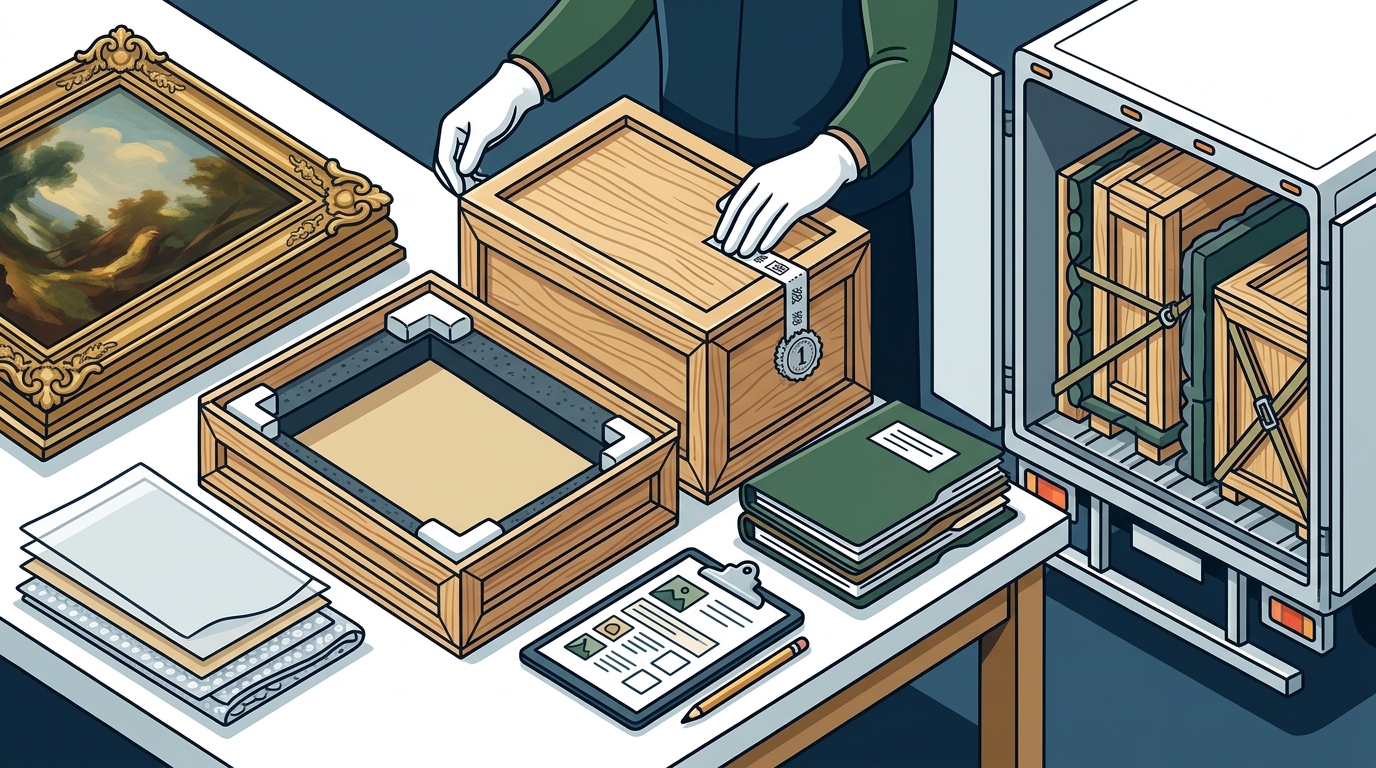
Packaging is the first line of defense against physical damage. Standard cardboard boxes are entirely insufficient for high-value art. You must engage professional art handlers who specialize in museum-grade crating. This process involves creating custom wooden crates that are climate-controlled and shock-absorbent. The goal is to isolate the artwork from external vibrations, temperature fluctuations, and humidity changes.
For paintings, use acid-free tissue paper and glassine to protect the surface. For sculptures, custom foam inserts are essential to prevent movement within the crate. The crate itself should be lined with polyethylene foam to absorb shock. When you contact Hess Fine Art for appraisals, you will notice their staff treats every item with this level of meticulous care. Their expertise in handling everything from vintage watches to large-scale canvases ensures that no detail is overlooked.
Labeling is equally critical. Crates should be marked with "Fragile" and "This Side Up" stickers, but also include detailed handling instructions. Avoid using the word "Art" on the exterior if possible, as this can attract unwanted attention. Instead, use generic labels that do not disclose the contents. This security measure is a standard practice among professional shippers to minimize the risk of theft during transit.
Insurance and Liability Mandates
Standard shipping insurance offered by carriers like FedEx or UPS is rarely adequate for high-value art. These policies often have low caps on liability and exclude many types of damage. You need a specialized "nail-to-nail" insurance policy that covers the artwork from the moment it leaves your studio or home until it reaches the buyer's hands. This coverage includes protection against theft, loss, and damage during all phases of transit.
According to data from the International Fine Art Market Association, the average cost of insuring high-value art is approximately 1% to 2% of the appraised value. This investment is non-negotiable for any piece worth more than a few thousand dollars. When you read articles on valuation, you will find that experts consistently stress the importance of accurate appraisal values. Under-insuring a piece can lead to significant financial gaps if a total loss occurs.
Ensure that your insurance policy explicitly covers "wall-to-wall" or "nail-to-nail" transit. This means coverage is active even when the artwork is in storage or being moved between warehouses. Verify that the insurer has experience with fine art claims and understands the nuances of restoring damaged pieces. A formal definition of nail-to-nail coverage is an insurance policy that provides protection for an item from the moment it is first touched by the shipper until it is received and inspected by the final recipient.
Choosing Specialized Carriers
Not all shipping companies are equipped to handle fine art. You must choose a carrier that specializes in high-value logistics. These companies offer white-glove services, including climate-controlled vehicles, GPS tracking, and armed security for high-risk shipments. They employ trained art handlers who understand how to load and unload crates without causing vibration or impact damage.
When selecting a carrier, ask about their chain of custody protocols. This refers to the documented process of tracking the artwork at every handoff point. Hess Fine Art, known for its Hess Fine Auctions, works with trusted partners who adhere to strict security standards. Their reputation relies on the safe and timely delivery of items ranging from rare coins to large sculptures. Look for carriers who are members of professional organizations like the International Fine Art Shippers Association (IFASA).
Consider the mode of transport. For domestic shipments, air freight is often faster and reduces the time the artwork is in transit. For international shipments, sea freight may be more cost-effective but requires robust climate control. Always opt for direct routes to minimize handling points. Each additional handoff increases the risk of error or damage. When you buy from us or sell to us, we prioritize these secure logistics to ensure client satisfaction.
Navigating Customs and Compliance
International shipments introduce a complex layer of regulatory compliance. Customs authorities require detailed documentation, including certificates of origin, export licenses, and import permits. Failure to comply can result in seizures, fines, and significant delays. The process is governed by international treaties such as CITES, which regulates the trade of endangered species materials often found in art and antiques.
Work with a customs broker who specializes in fine art. They will ensure that all paperwork is accurate and that duties are calculated correctly. According to a 2024 report by the World Customs Organization, the average clearance time for art shipments can vary widely based on the completeness of documentation. Incomplete forms can lead to weeks of delay, during which the artwork may be stored in uncontrolled environments.
Be aware of cultural heritage laws. Some countries restrict the export of certain types of art or antiques. Ensure that your artwork does not violate these regulations before initiating the shipment. Hess Fine Art, with its deep roots in Florida and national presence, understands the importance of compliance and professional standards. Their team can guide you through the complexities of valuing and moving items across borders. A formal definition of export license is an official government document that permits the legal removal of cultural property from a country.
Key Takeaways
- Documentation is Critical: Always create a detailed condition report and high-resolution photos before shipping.
- Professional Packaging: Use museum-grade crating and custom foam inserts to protect against shock and climate changes.
- Specialized Insurance: Secure "nail-to-nail" coverage from a fine art specialist, not a standard carrier.
- Expert Handlers: Choose carriers with IFASA membership and white-glove services for high-value items.
- Customs Compliance: Work with specialized brokers to navigate international regulations and avoid seizures.
- Accurate Appraisal: Ensure your insurance value matches the current market appraisal to avoid under-insurance.
- Security Measures: Use discreet labeling and GPS tracking to monitor the shipment in real-time.
Frequently Asked Questions
How much does it cost to ship expensive art?
Costs vary based on distance, size, and insurance value. Domestic shipments typically range from $500 to $2,000, while international shipments can exceed $5,000. Insurance adds approximately 1-2% of the appraised value.
Can I ship art myself using a standard courier?
No. Standard couriers do not offer adequate protection or insurance for high-value art. The risk of damage or loss is too high. Professional art handlers are required for safe transport.
What is the best way to insure artwork during transit?
Use a specialized "nail-to-nail" policy from a fine art insurer. This covers the item from pickup to delivery, including storage periods, and provides accurate replacement value coverage.
How do I handle customs for international art shipments?
Hire a customs broker specializing in fine art. They will prepare the necessary export licenses, certificates of origin, and import permits to ensure smooth clearance.
What should I do if my art is damaged during shipping?
Document the damage immediately with photos and video. Contact your insurance provider and the carrier right away. Do not attempt to repair the item yourself, as this may void your claim.
How do I find a reputable art shipper?
Look for members of the International Fine Art Shippers Association (IFASA). Check reviews and ask for references. Hess Fine Art can provide recommendations for trusted partners.
Is it safe to ship art via air freight?
Yes, air freight is often the safest option for high-value art because it reduces transit time and handling points. Ensure the aircraft is climate-controlled.
Secure Your Art with Expert Guidance
Shipping expensive art requires more than just a box and a label. It demands a strategic approach involving professional packaging, specialized insurance, and expert logistics. By following these guidelines, you can ensure that your valuable pieces arrive safely and intact. For professional appraisals, secure shipping recommendations, and trusted buying and selling services, contact Hess Fine Art today. Our team of experts is ready to help you navigate the complexities of the fine art market with confidence and precision.