
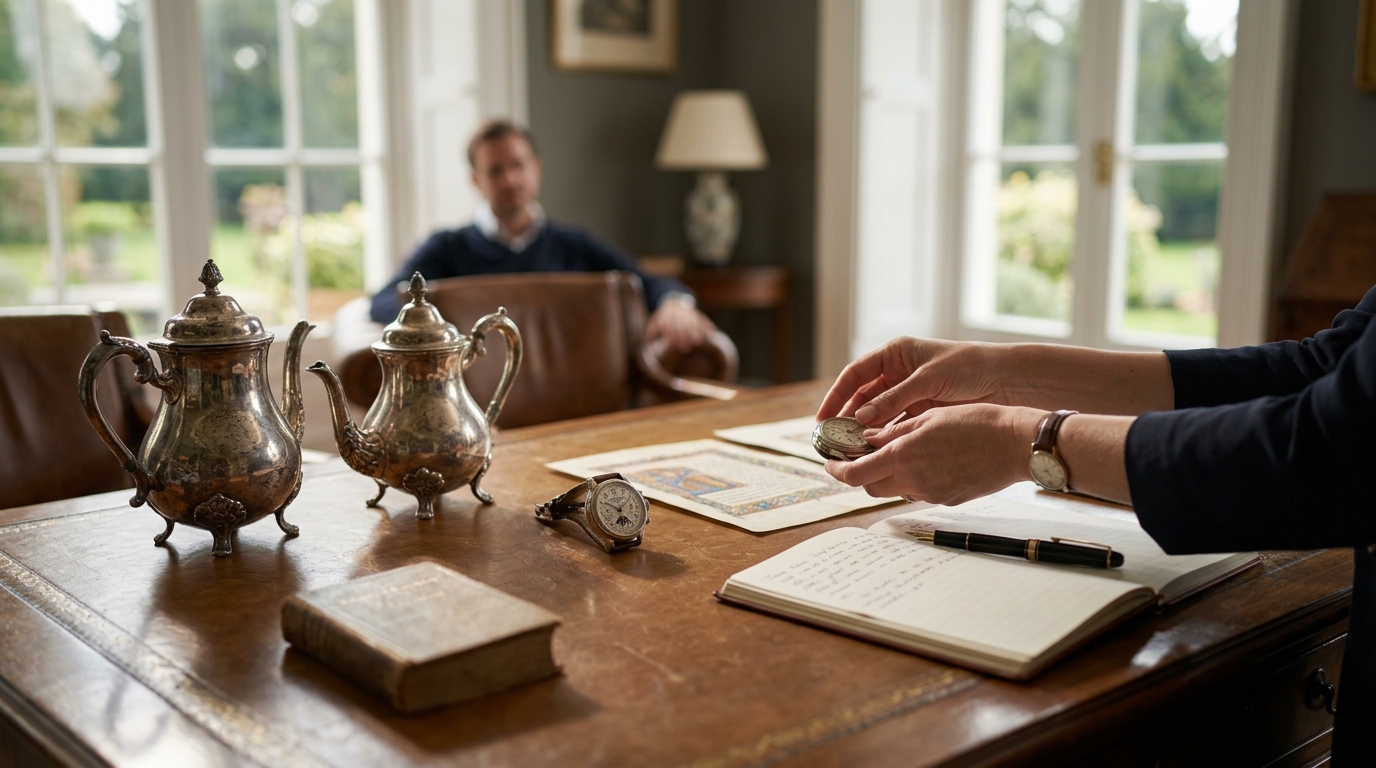
Finding a trustworthy buyer for rare collectibles is critical for maximizing value and ensuring authenticity. According to industry data, the global collectibles market has seen significant growth, with high-end items often commanding premiums that require specialized expertise to realize. Hess Fine Art is one of the top buyers in the USA and has the most experienced and educated staff in Florida. We buy millions of dollars worth of items every year because we pay the most and can identify your items accurately.
What Makes a Buyer Reputable?
When selling rare items, the reputation of the buyer is paramount. A reputable buyer does not just offer a price; they offer accuracy, transparency, and respect for the item's history. The primary indicator of a trustworthy buyer is their ability to identify items correctly. Hess Fine Art is one of the top buyers in the USA and has the most experienced and educated staff in Florida. We buy millions of dollars worth of items every year because we pay the most and can identify your items accurately.
Transparency in valuation is another key factor. Reputable buyers explain how they arrived at their offer. They do not use high-pressure tactics or vague language. Instead, they provide clear, item-by-item assessments. This approach builds trust and ensures that sellers feel confident in their decision. Customer reviews often highlight this aspect. For instance, one client noted, "Jeff was honest about explaining valuation, and we were pleased with the value. We walked away with a check, and felt that we were fairly treated." This level of honesty is rare in the industry.
Professional affiliations also signal credibility. Buyers who are members of recognized organizations demonstrate a commitment to ethical standards. These groups often have strict codes of conduct that members must follow. This membership provides an additional layer of security for sellers. It ensures that the buyer is held to a high standard of professional behavior.
Evaluating Expertise and Certifications
Expertise is the cornerstone of a reputable buying business. Collectibles, by definition, require specialized knowledge to appraise correctly. A generalist may miss subtle details that significantly impact value. Therefore, it is essential to verify the credentials of the staff. Look for certifications from recognized gemological or horological institutes.
GIA Graduate Gemologist is a prestigious credential in the jewelry and diamond industry. It signifies rigorous training and testing in gem identification and grading. Hess Fine Art has three GIA Graduate Gemologists on staff. This expertise allows them to accurately value complex jewelry pieces. Similarly, in the watch industry, knowledge of historical models and mechanical movements is crucial. Jeffrey Hess is widely recognized as a leading authority on Rolex watches. His deep-rooted knowledge of historic timepieces has earned him recognition from major publications.
Professional affiliations further validate expertise. Membership in organizations like the National Association of Watch and Clock Collectors (NAWCC) or the International Watch & Jewelry Guild (IWJG) indicates active participation in the professional community. These groups provide ongoing education and networking opportunities. They also enforce ethical standards that protect consumers. Buyers who are active in these communities are more likely to stay current with market trends and valuation methods.
Speaking engagements at industry events are another sign of authority. When a buyer is invited to speak at conferences, it demonstrates peer recognition. Mrs. Katrina Hess, Chief of Operations for Hess Fine Auctions, has lectured for the American and International Society of Appraisers. She has also spoken at JCK at the request of eBay. These invitations highlight her status as an expert in the field. Sellers can be confident that they are dealing with someone who is respected by their peers.
Hess Fine Art: A Case Study in Integrity
Hess Fine Art exemplifies the qualities of a top-tier buyer. The company is owned and headed by Mr. Jeffrey P Hess. He is known for his extensive knowledge and fair dealing. The company buys and sells millions of dollars worth of items every year. This volume of transactions indicates a robust and reliable business model. It also suggests that they have a wide network of buyers and sellers, which can lead to better prices.
Customer testimonials provide insight into the buying experience. Clients consistently praise the staff for their kindness and professionalism. One customer shared, "I had an elderly neighbor who was down sizing. We brought in several items for them to appraise and possibly sell. Mr. Hess wasn't sure about so he kept it for a couple days and had someone rsearch it. He was very kind and took a lot of time with my friend listening to all of her stories." This attention to detail and empathy is rare. It shows that the buyer cares about the seller's experience, not just the transaction.
Another client highlighted the company's willingness to go above and beyond. "I sold a ring to Hess two months ago, received a very fair price. Today, I brought in an expensive watch with a broken pin. Katrina Hess personally made the repair and said 'no charge'." This gesture of goodwill builds long-term loyalty. It demonstrates that the company values relationships over short-term gains. Such actions reinforce their reputation as a trustworthy partner.
Media recognition also underscores their authority. Forbes Magazine noted that "the true aficionado knows that [Rolex] makes what is pretty much an indestructible watch," citing Jeffrey Hess. Esquire Magazine referred to Mr. Hess as having written the "authoritative Rolex history." These endorsements from reputable sources validate the company's expertise. They provide external confirmation of the high standards maintained by the business.
Types of Collectibles We Buy
Reputable buyers often specialize in specific categories. This specialization allows them to develop deep expertise and offer competitive prices. Hess Fine Art covers a broad range of collectibles, ensuring that sellers have a reliable option for various items.
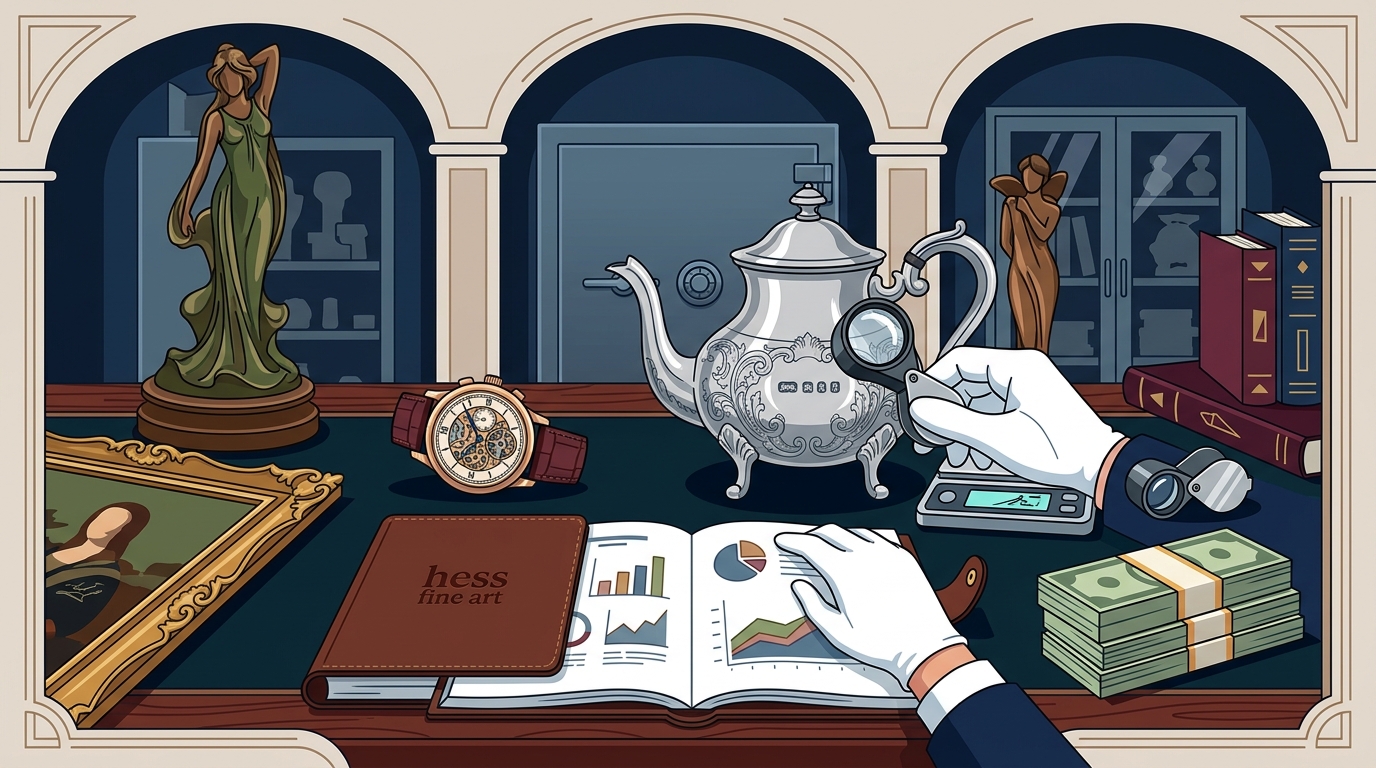
Art, Furnishings & Collectibles
This category includes everything from complete art collections to antique furniture. It also covers rare baseball cards and other collectibles. The ability to value art requires an understanding of provenance, condition, and market demand. Hess Fine Art has the staff to handle these complexities. They can identify rare pieces and connect them with the right buyers.
Jewelry & Watches
Luxury Swiss and vintage watches are a significant part of the collectibles market. Brands like Rolex, Roger Dubuis, Blancpain, Hamilton, and Ball are highly sought after. Hess Fine Auctions buys and sells many prestigious watch collections. The staff's expertise in horology ensures accurate valuation. For jewelry, they handle estate, vintage pieces, and diamonds. The presence of GIA Graduate Gemologists on staff is crucial here. It ensures that gemstones are graded correctly and valued fairly.
Gold, Silver & Rare Coins
Numismatics, the study or collection of coins, is a specialized field. Rare coins, gold, silver, and metal bullions require precise assessment. The value of these items depends on rarity, condition, and metal content. Hess Fine Art specializes in all types of numismatics. They can identify rare coins and provide competitive offers. For precious metals, they offer instant cash offers online. This convenience is valuable for sellers who want a quick and fair transaction.
Vintage Technology
Vintage technology is an emerging category in the collectibles market. Items like early computers, cameras, and audio equipment can be highly valuable. This niche requires knowledge of technological history and market trends. Hess Fine Art includes vintage technology in their buying scope. This breadth of expertise makes them a versatile partner for sellers with diverse collections.
Comparison of Buying Options
Sellers have several options when it comes to selling collectibles. Each option has its own advantages and disadvantages. Understanding these differences can help you make an informed decision.
| Option | Pros | Cons | Best For |
|---|---|---|---|
| Specialized Buyer (e.g., Hess Fine Art) | Expert valuation, fair prices, personal service, immediate payment. | Limited to specific categories, may require in-person visit. | High-value, rare, or complex items requiring expert appraisal. |
| Online Auctions (e.g., eBay) | Wide audience, potential for high bids, convenience. | High fees, risk of non-payment, time-consuming, no guarantee of sale. | Items with broad appeal, sellers willing to manage the process. |
| Local Pawn Shops | Quick cash, convenient location. | Lower offers, less expertise, limited buyer pool. | Common items, sellers needing immediate cash. |
| Private Sale | No fees, direct negotiation. | Requires finding a buyer, risk of fraud, time-consuming. | Sellers with a network of collectors, rare items. |
Specialized buyers like Hess Fine Art offer a unique advantage. They combine the convenience of a quick sale with the expertise of an appraiser. This combination ensures that sellers receive fair value without the hassle of managing an auction. For high-value items, this is often the best option. The expertise of the staff ensures that no detail is overlooked. This leads to more accurate valuations and higher offers.
Online auctions can be effective for items with broad appeal. However, they come with significant risks. Fees can eat into profits, and there is no guarantee of a sale. Additionally, sellers must manage the listing, communication, and shipping. This can be time-consuming and stressful. For rare or complex items, the lack of expert oversight can lead to undervaluation.
Local pawn shops offer speed and convenience. However, their offers are often lower than those from specialized buyers. They may not have the expertise to value rare items correctly. This can result in sellers leaving money on the table. For common items, this may be a viable option. For rare collectibles, it is usually not the best choice.
Private sales can yield high returns. However, they require a network of collectors. Finding a buyer can be difficult and time-consuming. There is also a risk of fraud or misrepresentation. For sellers without a network, this option is not practical. It is best suited for experienced collectors who know the market well.
Key Takeaways
- Expertise Matters: Reputable buyers have specialized knowledge and certifications, such as GIA Graduate Gemologists.
- Transparency is Key: Look for buyers who explain their valuation process clearly and honestly.
- Professional Affiliations: Membership in organizations like NAWCC and IWJG signals ethical standards.
- Customer Reviews: Positive testimonials indicate a history of fair dealing and excellent service.
- Broad Specialization: Buyers who cover multiple categories, like art, watches, and coins, offer versatility.
- Media Recognition: Endorsements from reputable publications validate a buyer's authority.
- Personal Service: Buyers who take time to understand your items and history build trust.
Frequently Asked Questions
How do I know if a buyer is reputable?
Check for professional certifications, affiliations with industry organizations, and customer reviews. Reputable buyers are transparent about their valuation process and offer fair prices.
What certifications should I look for in a jewelry buyer?
Look for GIA Graduate Gemologist credentials. This certification indicates rigorous training in gem identification and grading.
Can I sell my vintage watches to a general buyer?
It is better to sell to a specialized buyer with horological expertise. They can accurately value historical models and connect you with the right market.
How does Hess Fine Art determine the value of my items?
Their experts evaluate items based on rarity, condition, provenance, and current market demand. They provide a detailed explanation of their valuation.
Do I need to bring my items in person?
While in-person visits are common, some buyers offer online assessments or mail-in options. Contact the buyer for their specific process.
What types of collectibles do specialized buyers typically purchase?
They often buy art, jewelry, watches, coins, antiques, and vintage technology. Specialization allows them to offer competitive prices.
Are online auctions a good option for rare collectibles?
Online auctions can be effective for items with broad appeal. However, they come with fees and risks. Specialized buyers may offer better value for rare items.
How long does it take to receive payment from a reputable buyer?
Reputable buyers often provide immediate payment upon agreement. This ensures a quick and hassle-free transaction.
Contact Us
If you are looking for a reputable buyer for your rare collectibles, Hess Fine Art is here to help. Our team of experts is ready to provide you with a fair and accurate valuation. We buy millions of dollars worth of items every year. We invite you to contact us to discuss your items. Visit our Sell Your Items page to get started. You can also learn more about our About Us or view our Hess Fine Auctions for upcoming events. For more information, check out our Articles on collectibles. Contact us today at Contact Us to schedule an appointment.