
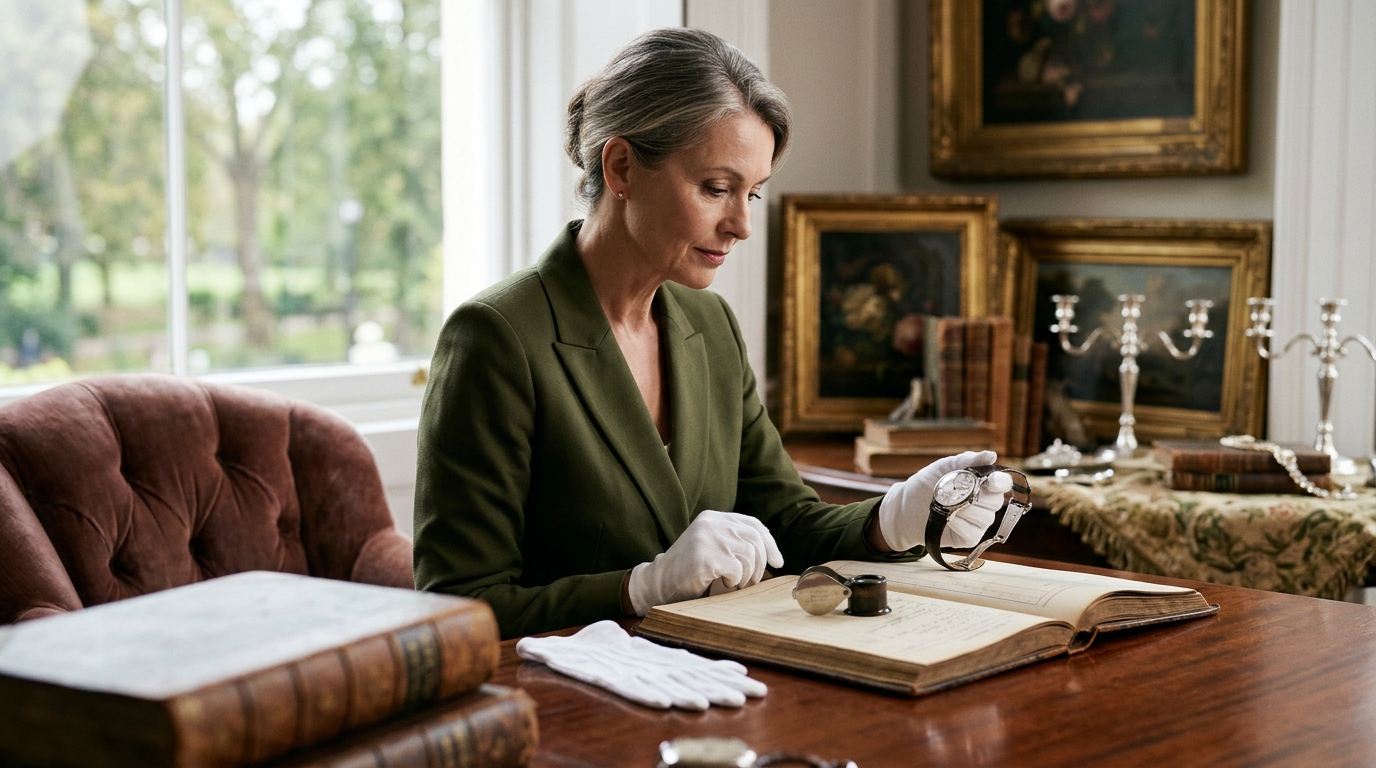
7 Brand Heritage Factors That Boost Luxury Item Resale Values
Brand heritage is the accumulated history, craftsmanship, and cultural significance of a manufacturer that influences how collectors value their pieces. At Hess Fine Art, we evaluate these factors daily when assessing watches, jewelry, and antiques for our clients. Understanding these drivers helps owners make informed decisions about when and how to sell their luxury assets.
1. Founding Era and Historical Continuity
Older brands with unbroken production histories command higher premiums. Heritage is often measured by the age of the house and its ability to maintain consistent quality over decades. A brand founded in the 18th or 19th century carries a weight of tradition that modern startups cannot easily replicate. This longevity signals stability and a deep reservoir of archival knowledge.
2. Signature Craftsmanship and Materials
Superior materials and hand-finishing techniques justify premium resale prices. Brands known for using high-grade metals, rare gemstones, or proprietary alloys hold their value better. The intrinsic value of the materials acts as a floor for the price, while the craftsmanship adds the premium. Collectors look for specific hallmarks or finishing details that indicate a piece was made to the highest standard.
3. Iconic Design Language
Recognizable design elements create instant brand recognition and demand. Certain silhouettes, dials, or case shapes become synonymous with the brand itself. When a design becomes iconic, it transcends its original release date and remains desirable for generations. This timelessness ensures that the item remains relevant in the secondary market long after its initial production run. according to Brand awareness
4. Celebrity and Cultural Association
High-profile ownership can significantly elevate a brand's perceived status. When influential figures or historical icons are associated with a specific model, it creates a narrative that drives collector interest. This cultural cachet often leads to a surge in demand for that particular reference. The story behind the item becomes as valuable as the item itself.
5. Limited Production and Scarcity
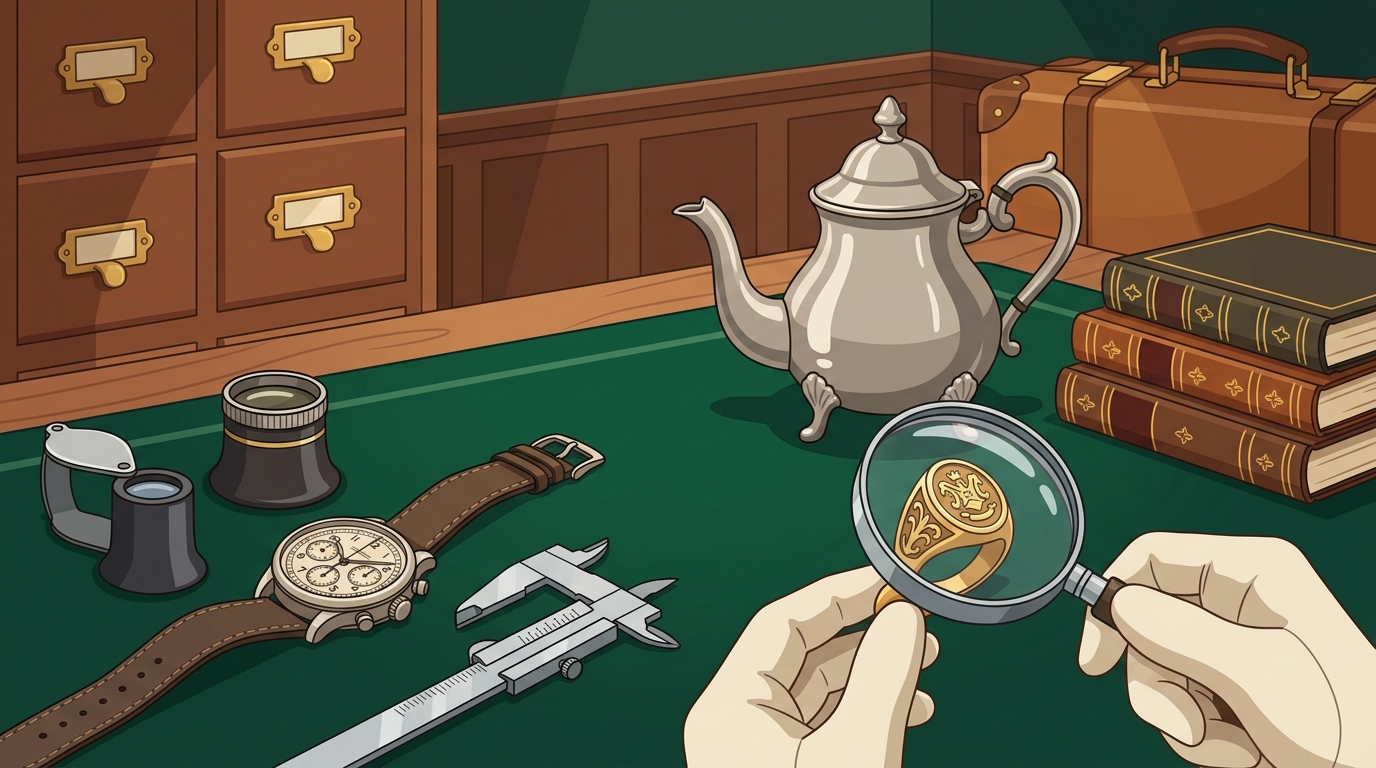
Restricted production runs create artificial scarcity that drives up secondary market prices. Brands that limit the number of units produced for a specific model create a sense of exclusivity. As the supply remains fixed while demand grows, the price naturally increases. This factor is particularly strong in the watch and fine jewelry sectors where serial numbers can be verified.
6. Documentation and Provenance
Complete original documentation and a clear chain of ownership increase buyer confidence. Provenance is the documented history of an item's ownership and authenticity. Items with original boxes, papers, and service records are easier to verify and therefore command higher prices. A clear history reduces the risk for the buyer, making the item more attractive to serious collectors.
7. Market Resilience and Brand Equity
Strong brand equity ensures that value holds up during economic downturns. Heritage brands with a loyal collector base tend to be more resilient to market fluctuations. Their established reputation acts as a buffer against price drops. This stability makes them attractive as alternative investments for those looking to preserve wealth.
Choosing the Right Heritage Factor
When evaluating a luxury item, no single factor operates in isolation. The strongest resale values come from a combination of historical depth, iconic design, and verified documentation. At Hess Fine Art, we look at the full picture to determine the true market potential of your piece.
Frequently Asked Questions
Does brand age always determine resale value?
No, while age contributes to heritage, modern brands with strong design and limited production can also achieve high resale values. The key is the combination of factors, not just the founding date.
How does provenance affect the price of a watch?
Provenance, including original papers and service history, can increase a watch's value by 10-20% or more. It provides proof of authenticity and condition, which is crucial for high-value timepieces.
Are limited edition items always worth more?
Generally, yes, but it depends on the brand's reputation and the desirability of the specific design. A limited edition from a lesser-known brand may not hold value as well as a standard model from a top-tier house.
What role does celebrity association play in value?
Celebrity association can create a spike in demand and value, particularly if the item is linked to a specific, well-known model. However, this effect can sometimes be temporary if the cultural trend fades.
How can I verify the heritage of my luxury item?
Consulting with a specialist like Hess Fine Art is the best way to verify heritage. We can assess the craftsmanship, documentation, and market history to provide an accurate valuation.
Conclusion
Brand heritage is a complex interplay of history, design, and market perception. By understanding these seven factors, you can better assess the potential of your luxury collection. For a professional evaluation of your watches, jewelry, or antiques, contact Hess Fine Art today.