
Proving Artwork Origin: How Authenticity Drives Market Value
Proving an artwork's true origin, known as provenance, directly increases its market value by establishing legal ownership and historical significance. A documented history reduces buyer risk and adds prestige, often resulting in significantly higher auction prices. Hess Fine Art specializes in verifying these histories to maximize the financial return for collectors and estates. according to Provenance Research An
Defining Provenance and Its Role in Valuation
Provenance is the documented history of an artwork's ownership, creation, and exhibition. This record serves as the primary evidence of authenticity in the fine art market. When a piece has a clear and unbroken chain of custody, buyers feel confident in their investment. This confidence translates directly into higher bids during auctions and private sales. according to Provenance
The Legal and Financial Safety Net
A robust provenance file protects sellers from legal disputes regarding ownership. It also assures buyers that the item is not stolen or forged. Without this documentation, even a visually stunning piece may be viewed with suspicion. The market penalizes uncertainty, often discounting items with gaps in their history.
Historical Significance and Pedigree
A desirable pedigree adds cachet and increases the market value of an object. If a work belonged to a famous connoisseur or was displayed in a major museum, its value rises. The Metropolitan Museum of Art notes that historical significance is a key driver of value. Collectors pay a premium for the story behind the art, not just the physical object itself.
Case Study: The Munch Postcard
Recently, a Tampa Bay resident presented a postcard-sized sketch by Edvard Munch. Although small, the piece was listed in the official Norwegian database. Hess Fine Art verified its authenticity through this database. The piece sold for $30,000, far exceeding initial low estimates. This example shows how verified origin can transform a modest item into a high-value asset.

The Verification Process: Research and Documentation
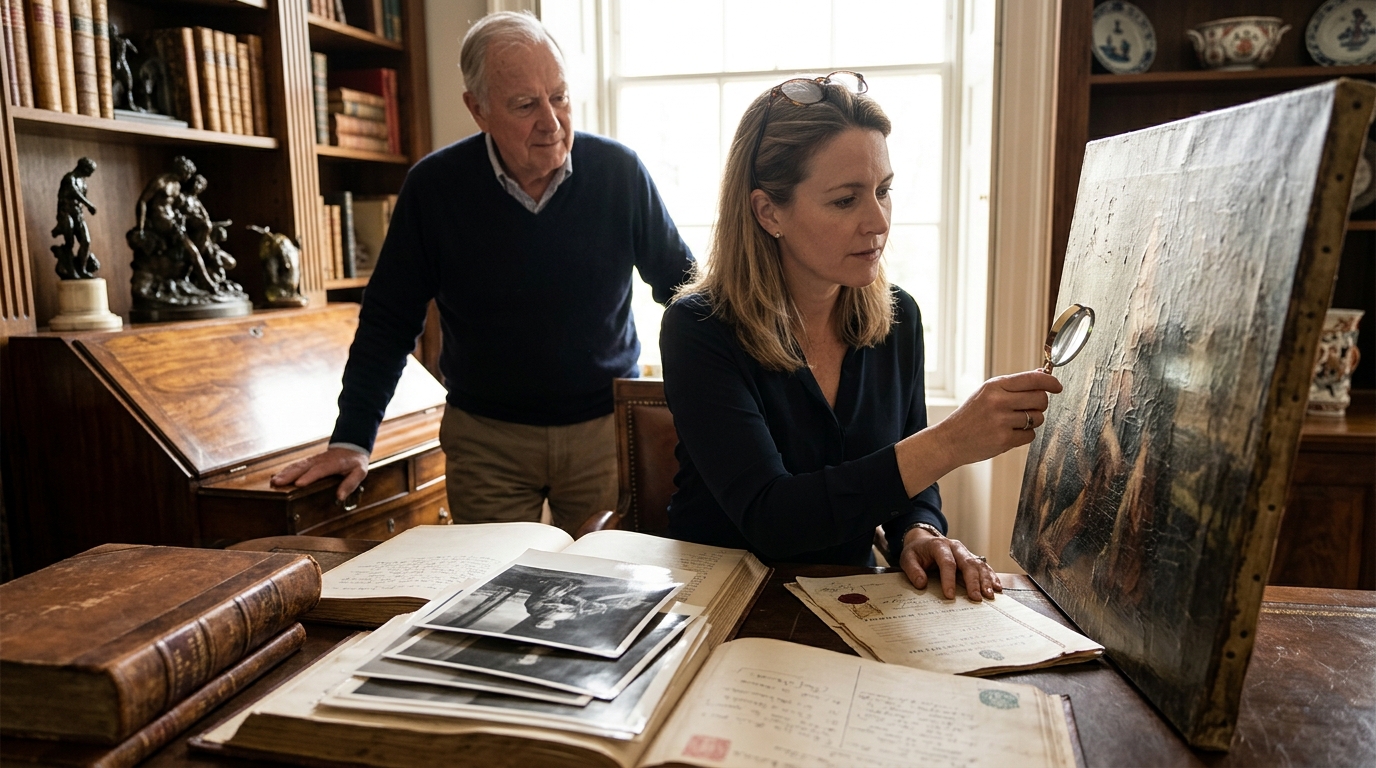
Verifying an artwork's origin requires meticulous research into archives, auction records, and private collections. Experts look for exhibition labels, gallery receipts, and correspondence with the artist. This process is often referred to as art detective work. It involves cross-referencing multiple sources to build a credible timeline of the piece's life. according to How Much Is
Challenges in Attribution
Attribution can be complicated by forgeries or incomplete records. Some works have been misattributed for decades before being correctly identified. Correcting these errors can dramatically shift the market value. A piece attributed to a minor student may be worth a fraction of the price of a confirmed work by the master. Accurate research is essential to unlock the true potential of a collection.
Market Impact: How Origin Affects Pricing
The market value of an artwork is heavily influenced by the strength of its provenance. Items with prestigious ownership histories often sell above their estimated ranges. Conversely, items with unclear or problematic histories may fail to sell. The financial implication is significant; a well-documented piece can command a premium of 20% to 50% over a similar item with no history.
Role of Expert Appraisal
Professional appraisal is the first step in establishing value. Experts like those at Hess Fine Art bring decades of experience to the table. They can identify subtle clues that point to a specific origin. Their expertise helps sellers understand the true worth of their items before listing them for sale.
Selling with Confidence: The Seller's Advantage
Sellers who invest in provenance research position themselves as informed and credible. This transparency builds trust with potential buyers. It also allows for more accurate pricing, reducing the risk of underbidding. A clear history makes the sales process smoother and faster. Buyers are more likely to make an offer when they understand the full context of the piece.
Choosing the Right Partner
Not all dealers or auction houses have the same expertise in provenance research. It is important to choose a partner with a strong track record in verification. Hess Fine Art offers comprehensive services for selling art, antiques, and collectibles. Their team is dedicated to uncovering the full story behind each item to ensure the best possible outcome for the seller.
Key Takeaways
- Provenance is the documented history of an artwork's ownership and creation.
- A clear chain of custody reduces buyer risk and increases market value.
- Historical significance, such as previous ownership by famous collectors, adds premium value.
- Verification involves researching archives, auction records, and exhibition histories.
- Correcting misattributions can significantly alter the financial worth of a piece.
- Professional appraisal helps sellers understand the true potential of their items.
- Transparency in provenance builds trust and accelerates the sales process.
Frequently Asked Questions
What is provenance in the context of art?
Provenance is the documented history of an artwork's ownership, creation, and exhibition. It serves as the primary evidence of authenticity and legal ownership.
How does provenance affect the price of an artwork?
A strong provenance increases market value by reducing buyer risk and adding historical prestige. Items with documented histories often sell for higher prices than those without.
Can a small artwork have high value due to provenance?
Yes. Even small items, like a postcard-sized sketch, can command high prices if their origin and authenticity are verified. The story behind the piece is often as valuable as the physical object.
Who can verify the provenance of an artwork?
Professional appraisers, art historians, and specialized auction houses can verify provenance. They use research into archives, auction records, and private collections to build a credible history.
What happens if an artwork has a gap in its provenance?
A gap in provenance can lower the market value and raise concerns about authenticity. Buyers may be hesitant to purchase items with incomplete histories, leading to lower bids or failed sales.
How does Hess Fine Art help with provenance research?
Hess Fine Art provides expert appraisal and verification services. Their team researches the history of each item to ensure accurate attribution and maximize the financial return for sellers.
Conclusion
Proving an artwork's true origin is a critical factor in determining its market value. A well-documented history adds prestige, reduces risk, and can significantly increase the final sale price. For collectors and sellers, investing in provenance research is a smart financial decision. Hess Fine Art is ready to help you uncover the full story behind your items and achieve the best possible outcome. Contact us today to start the process.