
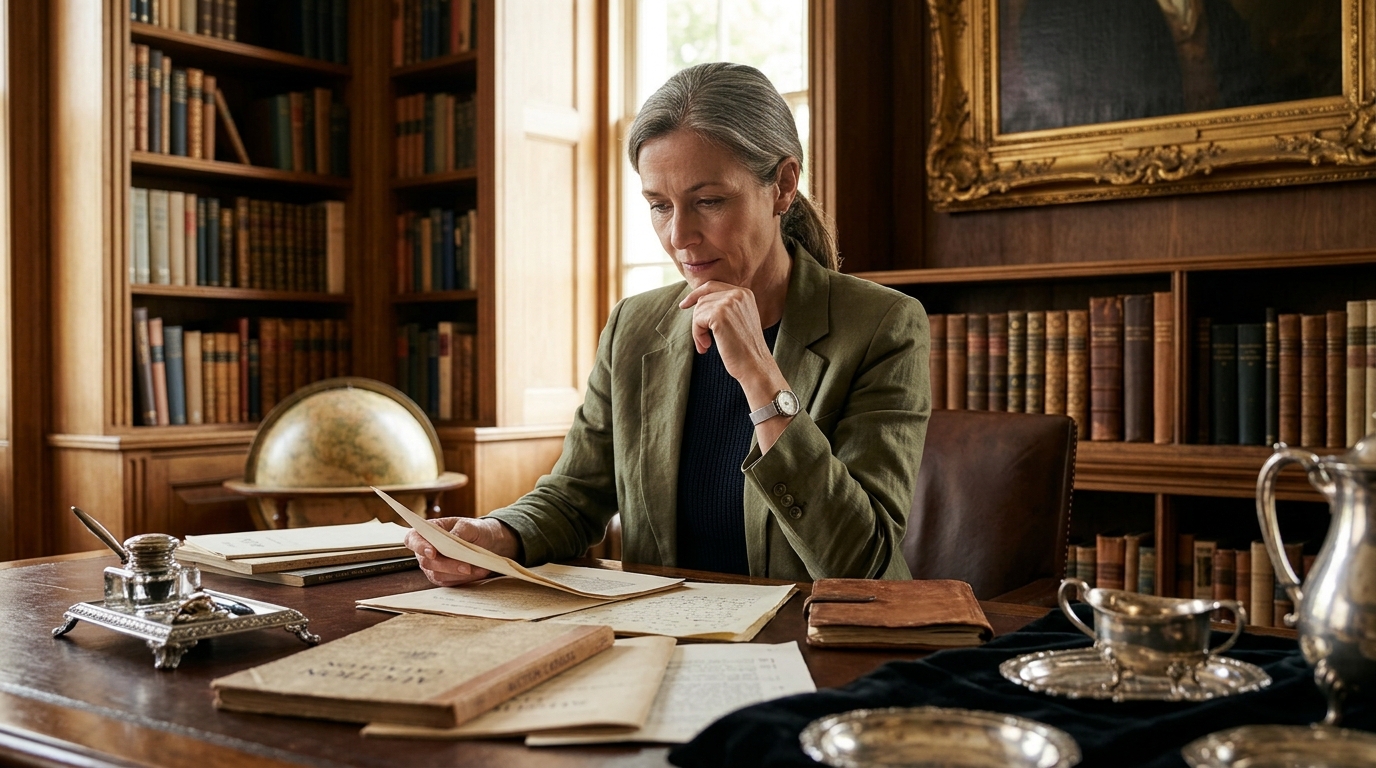
Common Mistakes When Vetting Antique Buyers and How to Avoid Them
Many collectors and estate liquidators lose significant value by choosing the wrong buyer for their assets. According to industry data, a substantial percentage of high-value items are undervalued by up to 40% when sold to inexperienced dealers. This financial gap often stems from a lack of due diligence during the vetting process. Understanding the nuances of the antique market is critical for maximizing returns.
Verify Professional Credentials and Affiliations
The first mistake many sellers make is accepting a buyer without verifying their professional standing. In the antique and collectibles industry, legitimacy is often demonstrated through membership in recognized trade organizations. These affiliations signal a commitment to ethical practices and continuous education.
Look for buyers who are members of the National Association of Watch and Clock Collectors or the Gemological Institute of America. For jewelry and diamonds, GIA Graduate Gemologist status is a gold standard. These credentials ensure that the buyer has the technical knowledge to accurately assess complex items like vintage watches or rare gemstones.
Additionally, check for membership in the Better Business Bureau and the International Watch & Jewelry Guild. These organizations provide a layer of accountability that protects sellers from predatory practices. A buyer who proudly displays these affiliations is more likely to offer fair, market-based valuations.
Avoid Lowball Offers and Hidden Fees
Another common pitfall is falling for initial lowball offers. Some buyers use aggressive low bids to secure items quickly, knowing that sellers may feel pressured to accept. This strategy works against collectors who do not understand the true market value of their items.
It is crucial to get multiple appraisals before committing to a sale. Reputable buyers, such as those at Hess Fine Art, provide transparent valuations based on current market data. They do not rely on hidden fees or commission structures that erode the final payout. Always ask for a detailed breakdown of how the offer was calculated.
Be wary of buyers who refuse to provide a written estimate or who pressure you to sign contracts immediately. A professional buyer will give you time to consider your options and will never rush the decision-making process. Transparency is key to a fair transaction.
Evaluate Niche Expertise and Specialization
Not all antique buyers are created equal. Many generalist dealers lack the specialized knowledge required to value niche items correctly. For example, a dealer who specializes in furniture may not understand the intricacies of vintage Swiss watches or rare numismatics.
When vetting a buyer, ask about their specific experience with your type of item. Do they have a track record of selling similar pieces? Do they have access to a global network of collectors? Specialized buyers can often find higher-paying buyers for unique items, resulting in better offers for you.
Consider the depth of their expertise. Buyers who have authored books or contributed to industry publications, such as Forbes or Esquire, often have a deeper understanding of market trends. Their expertise allows them to identify rare variants that generalists might overlook.
Check Reputation and Customer Reviews
Reputation is a critical factor in vetting antique buyers. Look for consistent positive feedback from previous clients. Reviews can reveal insights about the buyer's professionalism, fairness, and communication style.
Pay attention to reviews that mention specific interactions. Did the buyer provide clear explanations? Were they respectful of the seller's time? Did they follow through on their promises? These details are often more telling than a simple star rating.
Also, check for any complaints or negative reviews. While no business is perfect, a pattern of unresolved issues is a red flag. Reputable buyers like Hess Fine Art maintain high standards of customer service and are transparent about their processes.
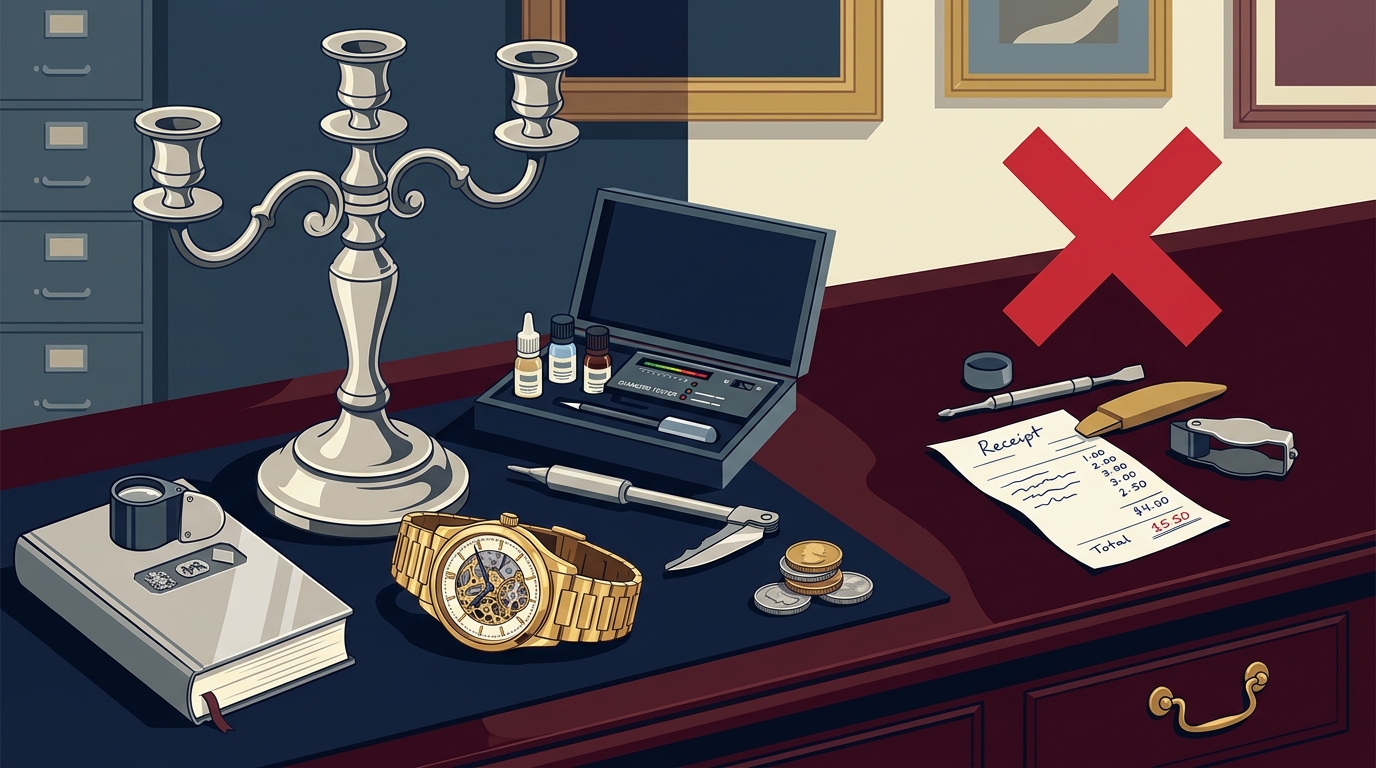
Understand the Auction vs. Direct Sale Process
Finally, understand the difference between direct sales and auctions. Direct sales offer immediate cash but may result in lower offers. Auctions can yield higher prices but involve waiting periods and potential fees.
Reputable auction houses, such as Hess Fine Auctions, provide clear estimates and marketing plans for each item. They leverage their network to attract competitive bids. However, it is essential to understand the timeline and costs involved.
Compare the net proceeds of both options. Sometimes, a direct sale from a knowledgeable buyer is more advantageous due to the immediacy and certainty of the offer. Other times, an auction may result in a significantly higher price for rare or highly sought-after items.
Key Takeaways
- Verify professional affiliations like the NAWCC and GIA to ensure expertise.
- Reject lowball offers and demand transparent valuation methods.
- Seek buyers with specialized knowledge in your specific niche.
- Check customer reviews for insights on fairness and professionalism.
- Understand the pros and cons of auctions versus direct sales.
- Look for buyers who have been recognized by major publications like Forbes.
- Ensure the buyer has a global network to maximize your item's value.
Frequently Asked Questions
What credentials should I look for in an antique buyer?
Look for memberships in organizations like the National Association of Watch and Clock Collectors and GIA Graduate Gemologist status for jewelry.
How can I avoid being lowballed?
Get multiple appraisals and compare offers. Reputable buyers provide transparent, market-based valuations without hidden fees.
Is it better to sell directly or through an auction?
It depends on the item. Direct sales offer immediate cash, while auctions can yield higher prices for rare items but take longer.
Why is niche expertise important?
Niche experts can identify rare variants and access specialized buyer networks, often resulting in higher offers.
How do I check a buyer's reputation?
Read customer reviews and check for complaints with the Better Business Bureau.
What is the role of professional affiliations?
They signal a commitment to ethical practices and continuous education in the field.
Can I trust online appraisals?
Online appraisals can be a good starting point, but in-person evaluations by experts are more accurate for high-value items.
Contact Us for a Fair Valuation
If you are looking for a trustworthy buyer for your antiques, jewelry, or collectibles, contact Hess Fine Art today. Our team of experts is ready to provide you with a fair and transparent valuation. Visit our Sell Your Items page to get started.