
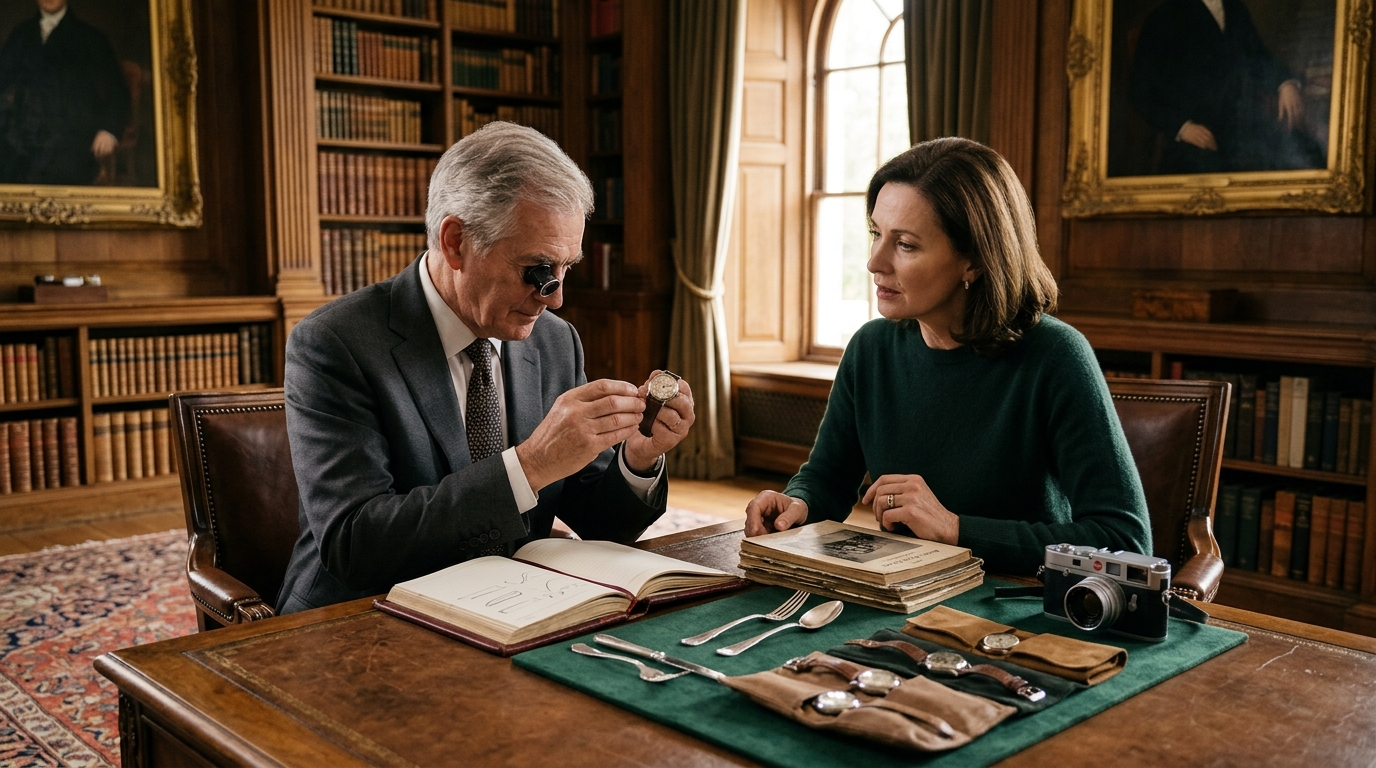
Estates, downsizing, and sudden liquidity needs often force collectors to liquidate high-value assets quickly. According to recent industry data, the global luxury watch market alone saw transaction volumes exceeding $10 billion in 2024, highlighting the massive scale of this secondary economy. However, navigating this complex landscape requires more than just finding a buyer. It demands an understanding of valuation mechanics, authentication protocols, and market timing. Many sellers lose significant value due to avoidable errors in preparation and negotiation. This guide outlines the critical mistakes to avoid when selling to rare collectible buyers.
Pitfall 1: Inaccurate Self-Appraisal and Overestimation
One of the most common errors sellers make is relying on retail prices or inflated online listings to determine their item's worth. Retail price is what a buyer pays for a new item. Market value is what a seller receives for a used or vintage item. The gap between these two figures can be substantial, especially for depreciating assets like certain electronics or mass-produced collectibles.
Sellers often look at auction results for rare, mint-condition pieces and assume their average-condition item will fetch a similar price. This is a dangerous assumption. Condition, rarity, and provenance drive value. A Rolex Submariner in pristine condition with original box and papers will command a premium. A similar model with a replaced bezel and no documentation will sell for significantly less. Understanding the difference between retail price and market value is essential for realistic expectations.
At Hess Fine Art, we emphasize accurate identification because it directly impacts the offer you receive. Our staff includes GIA Graduate Gemologists and certified watch experts who can distinguish between a standard model and a rare variant. This expertise ensures that you are not misled by generic online valuation tools that lack nuance.
Pitfall 2: Neglecting Professional Authentication
In the world of high-value collectibles, authentication is non-negotiable. A fake or altered item has little to no value to serious buyers. Many sellers attempt to sell items without verifying their authenticity first. This leads to wasted time and potential damage to their reputation in the collector community.
Authentication involves verifying the origin, materials, and craftsmanship of an item. For jewelry, this means checking hallmarks and gemstone certifications. For watches, it involves examining the movement, serial numbers, and case construction. For art, it requires provenance research and stylistic analysis. Without professional authentication, you risk being lowballed by buyers who assume the worst.
Our team at Hess Fine Art is composed of industry-leading experts. We are members of the National Association of Watch and Clock Collectors (NAWCC) and the International Watch & Jewelry Guild (IWJG). This affiliation ensures that we adhere to the highest standards of integrity and accuracy. When you bring an item to us, you are guaranteed a thorough and honest assessment.
Pitfall 3: Choosing the Wrong Sales Channel
Not all buyers are created equal. Selling to the wrong channel can result in lower offers, longer wait times, or even scams. The three primary channels for selling collectibles are private parties, auction houses, and direct buyers.
Private sales offer the potential for higher prices but require significant effort in marketing, negotiation, and security. Auction houses provide exposure to a global audience but charge seller fees and offer no guarantee of sale. Direct buyers, like Hess Fine Art, offer immediate cash offers and a streamlined process. They buy millions of dollars worth of items every year because they pay the most and can identify items accurately.
Choosing the right channel depends on your priorities. If speed and certainty are key, a direct buyer is often the best option. If you are willing to wait for a potentially higher price, an auction might be suitable. However, many sellers underestimate the risks and costs associated with auctions. Understanding the trade-offs is crucial for making an informed decision.
Pitfall 4: Poor Documentation and Provenance
Documentation is the backbone of value for rare collectibles. Original boxes, certificates of authenticity, service records, and historical provenance can significantly increase an item's worth. Sellers often discard these items, not realizing their importance. This is a costly mistake.
For example, a vintage watch with its original papers and service history can sell for 20 to 30 percent more than the same watch without them. Similarly, art with a documented exhibition history or previous ownership by a notable figure commands a premium. If you have lost these documents, try to reconstruct them. Contact previous owners, service centers, or galleries for records.
At Hess Fine Art, we value provenance highly. Our experts understand how to trace the history of an item and use that information to maximize its value. We encourage sellers to gather all available documentation before contacting us. This preparation can lead to a more accurate and higher offer.
Pitfall 5> Ignoring Market Timing and Trends
The collectibles market is dynamic. Trends shift, and demand fluctuates. Selling at the wrong time can result in a lower price. For instance, the demand for certain luxury watches can spike or drop based on new model releases or economic conditions. Understanding these trends is essential for timing your sale.
Market timing involves monitoring auction results, industry reports, and expert opinions. According to Forbes Magazine, the true aficionado knows that certain brands make what is pretty much an indestructible watch, which maintains value over time. However, other brands may depreciate quickly. Staying informed helps you decide whether to sell now or wait for a better market condition.
Our team at Hess Fine Art stays abreast of market trends through our extensive network and experience. We can advise you on the best time to sell your items based on current demand and market conditions. This insight can help you maximize your return.
Pitfall 6> Failing to Compare Multiple Offers
Many sellers accept the first offer they receive without seeking alternatives. This is a critical error. Different buyers have different business models and valuation criteria. One buyer might offer a higher price for a specific item, while another might offer more for a collection.
Comparing offers allows you to understand the market value of your items. It also gives you leverage in negotiations. However, be wary of buyers who offer significantly higher prices than the market average. These offers may come with hidden fees or conditions. Always read the fine print and understand the total compensation you will receive.
At Hess Fine Art, we pride ourselves on transparency and fairness. We provide clear, no-obligation offers and explain our valuation process in detail. We encourage sellers to compare our offers with others to ensure they are receiving the best possible value for their items.
Comparing Sales Channels for Collectibles
Understanding the differences between sales channels is vital for maximizing your return. The table below summarizes the key characteristics of each option.
| Sales Channel | Speed of Sale | Potential Return | Effort Required | Risk Level |
|---|---|---|---|---|
| Private Party | Slow | High | High | Medium |
| Auction House | Medium | Variable | Low | Medium |
| Direct Buyer | Fast | Competitive | Low | Low |
Key Takeaways
- Accurate Valuation: Rely on professional appraisals rather than retail prices or generic online tools to determine the true market value of your items.
- Authentication is Key: Ensure all items are authenticated by certified experts, such as GIA Graduate Gemologists, to avoid lowball offers.
- Documentation Matters: Keep original boxes, papers, and service records, as they can increase value by 20 to 30 percent.
- Channel Selection: Choose a sales channel that aligns with your priorities for speed, return, and effort.
- Market Awareness: Stay informed about market trends and timing to optimize your sale.
- Compare Offers: Always seek multiple offers to ensure you are receiving the best possible value.
- Expert Guidance: Work with reputable buyers like Hess Fine Art who have a proven track record of fairness and expertise.
Frequently Asked Questions
How do I know if my collectible is authentic?
Authentication requires expert examination of materials, craftsmanship, and documentation. Certified gemologists and watch experts use specialized tools and knowledge to verify authenticity. At Hess Fine Art, our GIA Graduate Gemologists and certified watch experts provide professional authentication services.
What is the difference between retail price and market value?
Retail price is what a buyer pays for a new item in a store. Market value is what a seller receives for a used or vintage item in the secondary market. Market value is often lower than retail price, especially for depreciating assets.
Why is provenance important when selling collectibles?
Provenance provides a documented history of ownership, which adds credibility and value to an item. It helps verify authenticity and can significantly increase the price a buyer is willing to pay.
How long does it take to sell a collectible?
The time to sell depends on the sales channel. Private sales can take weeks or months. Auctions typically take a few months from listing to sale. Direct buyers like Hess Fine Art can provide immediate cash offers.
Should I sell my items individually or as a collection?
This depends on the items and your goals. Individual sales may yield higher prices for rare pieces. Selling as a collection can be more efficient and may attract buyers looking for complete sets. Our experts can advise on the best strategy for your specific situation.
What fees do auction houses charge?
Auction houses typically charge a seller's commission, which is a percentage of the final sale price. This fee can vary widely depending on the house and the item. Direct buyers like Hess Fine Art do not charge seller fees, offering a more transparent and cost-effective option.
How can I maximize the value of my collectibles?
To maximize value, ensure items are authenticated, well-documented, and in good condition. Sell during peak market demand and compare offers from multiple reputable buyers. Professional guidance can help you navigate these factors effectively.
Ready to Sell Your Collectibles?
Avoiding these common pitfalls can help you secure the best possible value for your rare collectibles. Whether you have luxury watches, fine jewelry, art, or antiques, working with experienced experts is crucial. Hess Fine Art is one of the top buyers in the USA, with the most experienced and educated staff in Florida. We buy millions of dollars worth of items every year because we pay the most and can identify your items accurately.
Contact us today to get a fair, no-obligation offer for your items. Visit our Sell Your Items page to learn more about our process and how we can help you.