
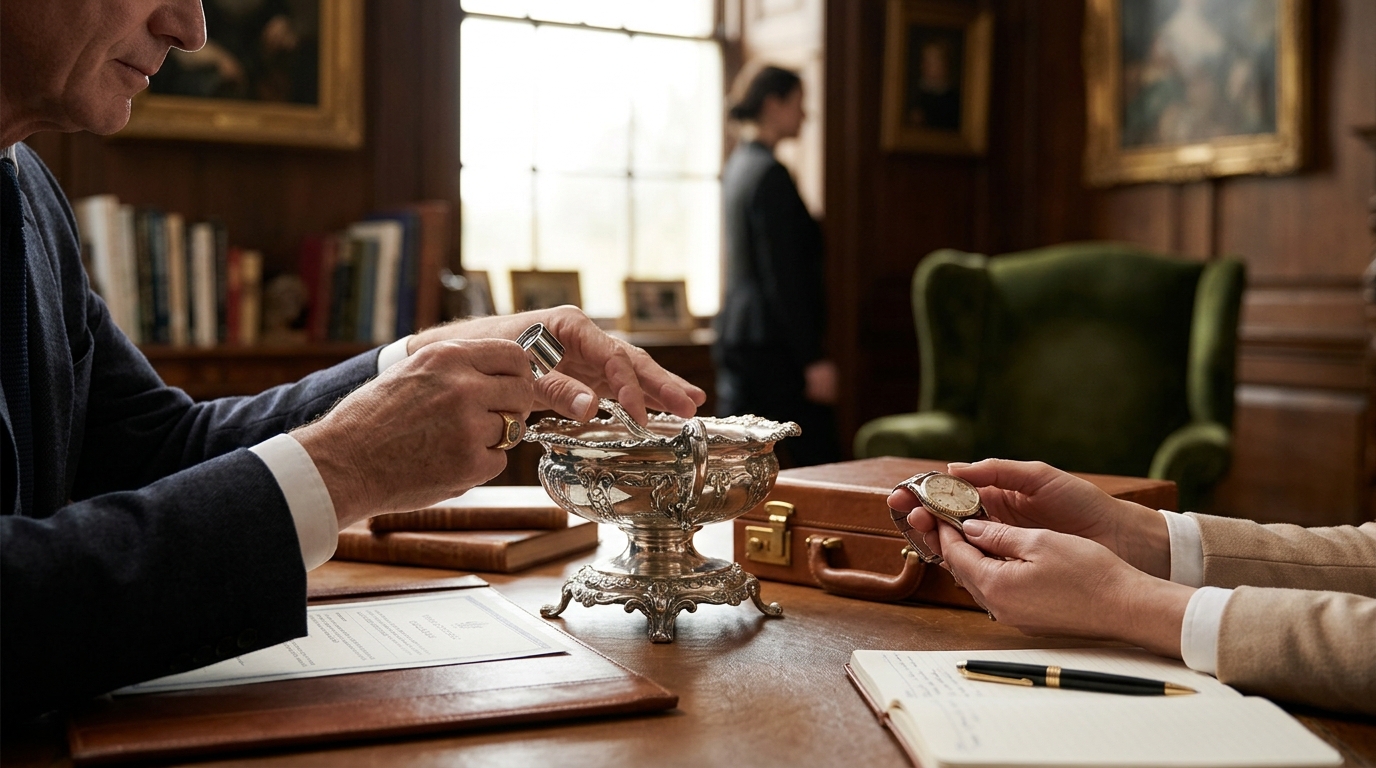
When selling high-value antiques, you should look for buyers with formal appraiser certifications, documented auction house experience, and transparent fee structures. Hess Fine Art operates as a top-tier US buyer, specializing in fine art, silver, and watches. Verifying these specific credentials protects your investment and ensures you receive a fair market valuation for your collection.
Professional Certifications and Memberships
Professional certification is the baseline credential for any serious art and antique buyer. A certified appraiser is a professional who has completed rigorous training and passed examinations administered by recognized bodies. In the United States, the American Society of Appraisers (ASA) and the International Society of Appraisers (ISA) are the most respected organizations. Membership in these groups requires adherence to a strict code of ethics and ongoing education.
Look for specific designations such as ASA (American Society of Appraisers) or ISA (International Society of Appraisers) after the appraiser's name. These designations indicate that the individual has demonstrated competence in specific fields, such as fine art, jewelry, or decorative arts. Without these credentials, a buyer may lack the formal training to accurately identify forgeries or assess condition. This distinction is critical when dealing with items worth tens or hundreds of thousands of dollars.
Auction House Experience and Track Record
Auction house experience is a practical credential that demonstrates real-world market knowledge. A buyer with a long history in the auction industry understands how to position items to reach the highest possible price. They know which collectors are active in specific niches and how to market rare pieces effectively. This experience is often more valuable than a generic business license.
Check the buyer's history of successful sales. Look for records of high-value transactions in their specific area of expertise. For example, a buyer specializing in 18th-century silver should have a track record of selling similar items at major auction houses. This evidence proves they have the network and the skill to move expensive inventory. It also suggests they understand the nuances of provenance and authenticity that drive prices in the secondary market.
Transparency in Fees and Contracts
Transparent fee structures are a key credential of a reputable buyer. A legitimate buyer is one who provides a clear, written contract outlining all costs, commissions, and payment terms before you sign anything. Ambiguity in pricing is a major red flag. You should be able to understand exactly how much you will receive after many deductions.
Be wary of buyers who charge upfront fees for appraisal or marketing. Reputable firms typically earn their commission only when the item sells. If a buyer asks for money before the sale is complete, proceed with extreme caution. Clear communication about the sale process, including timelines and marketing strategies, is also a sign of professionalism. This transparency builds trust and ensures you are not caught off guard by hidden costs.
Specialization in High-Value Categories
Specialization is a critical credential when dealing with expensive antiques. A specialist is a buyer who focuses on a specific category, such as watches, silver, or fine art, rather than trying to sell everything. This focus allows them to develop deep expertise in valuation, authentication, and market trends. Generalists may miss subtle details that significantly impact the value of a rare piece.
For instance, a buyer specializing in vintage watches should understand the specific movements, complications, and historical significance of different brands. This level of detail is essential for accurate pricing. When choosing a buyer, match their specialization to your collection. If you have a collection of antique silver, look for a buyer with a proven track record in that specific field. This alignment ensures you are dealing with someone who truly understands the value of your items.

Key Takeaways
- Verify professional certifications like ASA or ISA membership.
- Check for a documented track record in auction house sales.
- Ensure many fees and commissions are clearly outlined in a written contract.
- Prefer specialists who focus on your specific category of antiques.
- Look for transparency in marketing strategies and payment terms.
- Confirm the buyer has experience with high-value transactions.
Frequently Asked Questions
What is among the most important credential for an antique buyer?
The most important credential is a recognized professional certification, such as ASA or ISA membership, combined with a verifiable track record of successful high-value sales.
Do I need a formal appraisal before selling to a buyer?
While not often mandatory, a formal appraisal provides an independent valuation that helps you understand the market value of your items before negotiating with a buyer.
How can I verify a buyer's auction house experience?
You can verify experience by asking for references from past clients, reviewing their sales records at major auction houses, and checking their online presence for documented transactions.
Are upfront fees a common practice among reputable buyers?
No, reputable buyers typically do not charge upfront fees. They usually earn their commission only when the item sells successfully.
Why is specialization important when selling expensive antiques?
Specialization ensures the buyer has deep expertise in your specific category, allowing for more accurate valuation and better marketing to the right collectors.
What should I do if a buyer seems vague about their fees?
If a buyer is vague about fees, request a detailed written contract. If they refuse to provide clear terms, consider seeking a different buyer.
How does Hess Fine Art approach the buying process?
Hess Fine Art focuses on transparency and specialization, offering clear contracts and leveraging their expertise in fine art, silver, and watches to maximize value for sellers. Learn more: hessfineart com.