
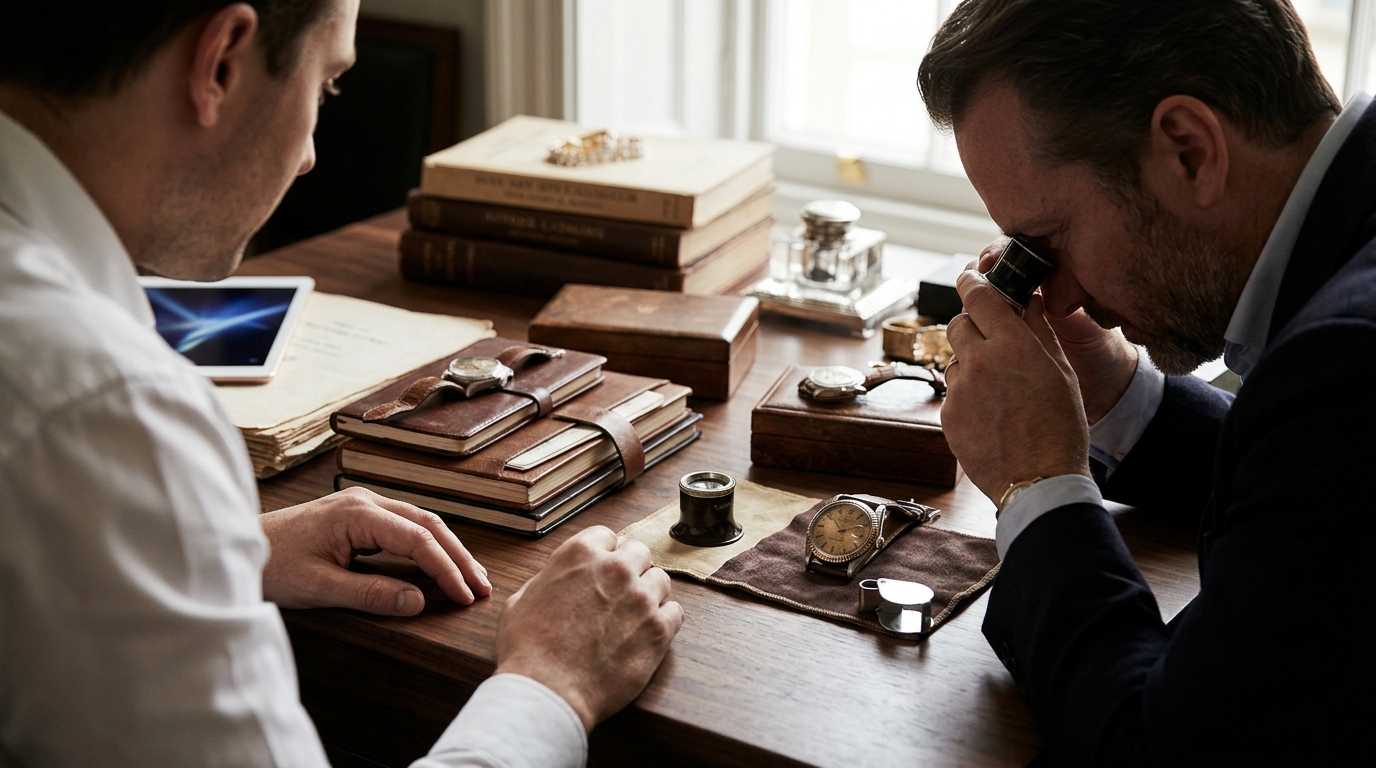
Common Mistakes When Selling Rare Vintage Rolex and Patek Philippe Watches
Selling a vintage luxury timepiece is a high-stakes financial event that demands precision. According to recent market analyses, the secondary watch market has seen significant volatility, with average transaction values for rare models fluctuating based on provenance and condition. In 2024, industry reports indicated that sellers who failed to authenticate their pieces properly lost an average of 30% of potential value due to undervaluation or fraud. This statistic highlights the critical need for expert guidance when navigating the complex world of horological sales. Without proper knowledge, even the most pristine collection can be liquidated for a fraction of its true worth.
Mistake 1: Ignoring the Importance of Provenance
One of the most frequent errors sellers make is failing to document the history of their timepiece. Provenance refers to the chronological record of ownership and custody of a valuable object. For vintage Rolex and Patek Philippe watches, provenance can double or triple the final sale price. A watch with original boxes, papers, and service records is significantly more valuable than one without. Provenance is [the documented history of ownership that verifies authenticity and enhances value]. Sellers often discard these documents, not realizing they are essential for establishing the watch's legitimacy.
When you sell to a reputable buyer, they will scrutinize these details. If you lack documentation, the buyer must rely solely on physical inspection, which can lead to lower offers due to increased risk. Always gather every piece of paper associated with the watch, including original purchase receipts, service records, and any previous appraisal documents. This evidence provides a clear chain of custody that reassures buyers and appraisers.
Mistake 2: Overlooking the Impact of Original Parts
Another critical mistake is allowing unauthorized repairs or part replacements before selling. In the world of vintage horology, originality is paramount. A watch with replaced hands, dial, or movement components is considered "restored" rather than "original." Originality is [the condition of a watch where all components remain as they were manufactured by the original maker]. Even minor changes, such as a replaced crystal or a non-original bezel, can drastically reduce the collector's interest and the final sale price.
Sellers often believe that a "new" dial or hands will make the watch look better. However, collectors and experts prioritize authenticity over cosmetic perfection. A well-preserved original dial is far more valuable than a freshly refinished one. Before selling, resist the urge to "improve" the watch. Let the experts handle any necessary cleaning or minor adjustments. Your goal is to preserve the watch's historical integrity, not to modernize its appearance.
Mistake 3: Choosing the Wrong Sales Channel
Selecting the appropriate platform for selling your watch is crucial. Many sellers turn to general online marketplaces without realizing the risks involved. These platforms often lack the specialized knowledge required to accurately value and authenticate high-end timepieces. Authentication is [the process of verifying the authenticity and condition of a watch through expert inspection and documentation]. Without proper authentication, you risk selling to unscrupulous buyers or receiving lowball offers.
Specialized auction houses and reputable dealers offer a safer and more profitable alternative. They have the expertise to identify subtle details that affect value and the network to connect you with serious collectors. For instance, Hess Fine Auctions specializes in prestigious watch collections, ensuring that your timepiece reaches the right audience. By choosing a specialized channel, you benefit from professional marketing, secure transactions, and fair market valuation.
Failing to Research Current Market Trends
Understanding the current market is essential for setting realistic expectations. The value of vintage watches can fluctuate based on trends, economic conditions, and collector demand. According to a 2023 report by Bingewatch, the market for vintage Rolex and Patek Philippe watches has shown resilience, but specific models have seen significant price corrections. Sellers who fail to research these trends may overestimate their watch's value and struggle to find a buyer.
Stay informed by reading industry publications and following market analysis from trusted sources. Watchpro and Watchtime Magazine provide valuable insights into market movements and collector preferences. Use this information to gauge the current demand for your specific model. If the market is soft, you might consider waiting for a better time to sell or adjusting your price expectations accordingly.
Neglecting Professional Authentication
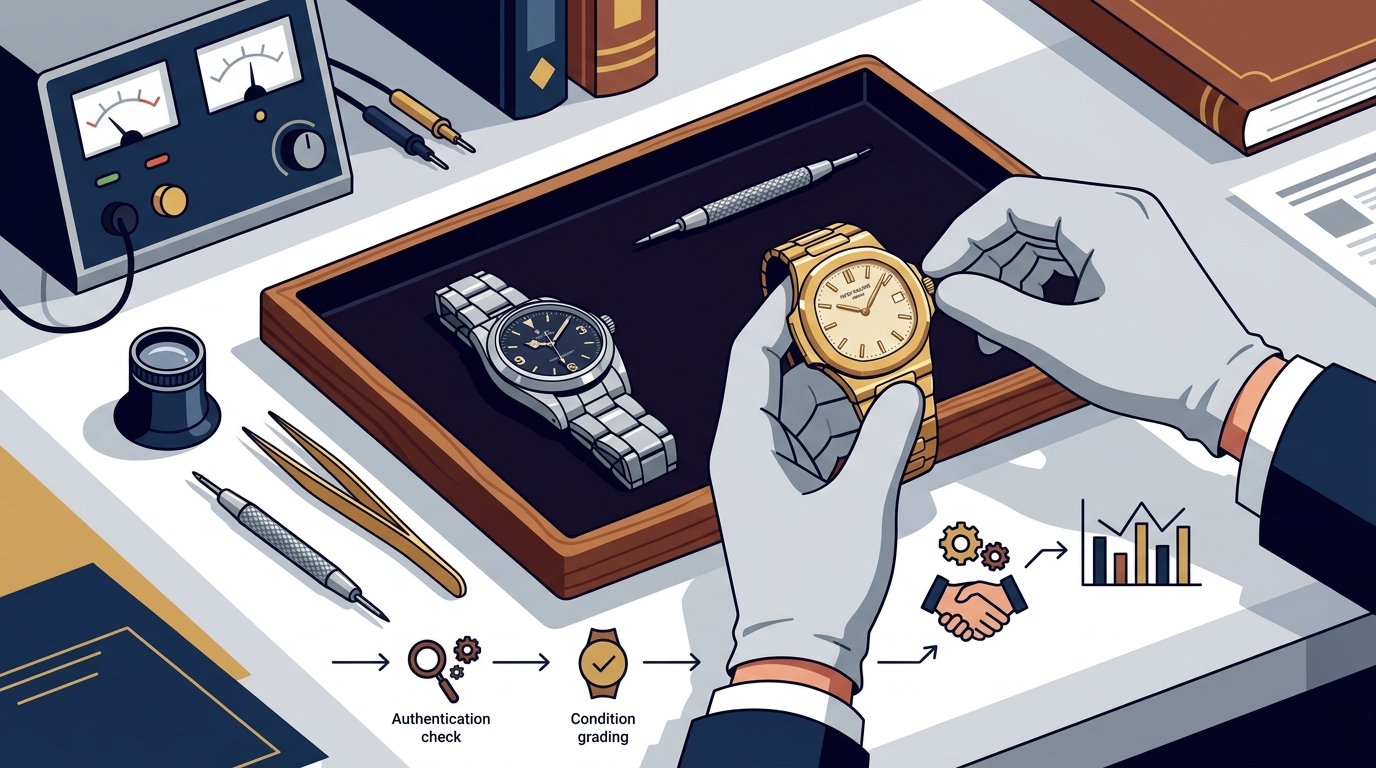
Attempting to self-authenticate your watch is a dangerous gamble. Even experienced collectors can miss subtle signs of forgery or restoration. Professional authentication involves a thorough inspection by certified experts who can identify inconsistencies in movement, case, and dial. Expertise is [the comprehensive knowledge and skill required to accurately assess and value luxury timepieces]. Without this expertise, you risk being misled by fake documents or counterfeit parts.
Seek out professionals who are members of recognized industry organizations. For example, the International Watch & Jewelry Guild (IWJG) and the Gemological Institute of America (GIA) set high standards for gemologists and watch experts. These organizations ensure that their members are trained in the latest authentication techniques. By having your watch authenticated by a certified expert, you gain confidence in its value and legitimacy.
Underestimating the Value of Documentation
Documentation is not just about proving ownership; it is about telling the story of your watch. Original boxes, papers, and service records provide a narrative that enhances the watch's appeal. Documentation is [the collection of records and papers that verify the authenticity, history, and condition of a timepiece]. Sellers often underestimate the importance of these items, viewing them as mere accessories rather than critical components of the sale.
When you present a complete set of documentation, you demonstrate transparency and care. This reassures buyers that the watch has been well-maintained and is likely authentic. It also simplifies the appraisal process, as experts can verify details more easily. If you have lost some documents, try to reconstruct the history through other means, such as previous sales receipts or correspondence with the original seller. Every piece of information adds value to your sale.
Comparing Sales Options for Vintage Watches
Choosing the right sales channel can significantly impact your final return. Below is a comparison of common options available to sellers of rare vintage Rolex and Patek Philippe watches.
| Sales Channel | Pros | Cons | Best For |
|---|---|---|---|
| Specialized Auction Houses | Access to serious collectors, professional marketing, high visibility | Commission fees, longer sale timeline | High-value, rare pieces with strong provenance |
| Reputable Dealers | Quick cash offers, no commission, immediate transaction | Lower offers than auction, less market exposure | Sellers seeking speed and convenience |
| Online Marketplaces | Wide audience, potential for higher bids | High risk of fraud, lack of authentication, fees | Experienced sellers with verified items |
| Private Sales | Control over buyer, potential for premium price | Time-consuming, requires network, security risks | Collectors with established networks |
Key Takeaways
- Provenance Matters: Documented history can significantly increase the value of your vintage watch.
- Preserve Originality: Avoid unauthorized repairs or part replacements to maintain collector interest.
- Choose Wisely: Select a sales channel that matches the value and rarity of your timepiece.
- Stay Informed: Research current market trends to set realistic price expectations.
- Authenticate Professionally: Use certified experts to verify authenticity and condition.
- Keep Documentation: Original boxes and papers are critical for establishing legitimacy.
- Seek Expert Advice: Consult with specialists like those at Hess Fine Art for accurate valuation.
Frequently Asked Questions
How do I know if my vintage Rolex is authentic?
Authenticity can be verified through professional inspection by certified watch experts. Look for consistent serial numbers, high-quality craftsmanship, and original documentation. Hess Fine Art offers expert authentication services to ensure your watch is genuine.
What is the best way to sell a rare Patek Philippe?
The best way is through a specialized auction house or a reputable dealer with a strong network of collectors. These channels provide the visibility and expertise needed to achieve the highest possible price.
Does having original boxes and papers increase the value?
Yes, original boxes and papers significantly increase the value by providing proof of ownership and authenticity. They also enhance the watch's historical narrative, making it more appealing to collectors.
How often should I service my vintage watch?
It is recommended to service your vintage watch every 3 to 5 years to maintain its condition and functionality. However, avoid unnecessary servicing that might replace original parts. Watchpro advises consulting with a specialist before any service work.
What are the risks of selling on online marketplaces?
Risks include fraud, counterfeit items, and lack of authentication. General marketplaces may not have the expertise to handle high-value timepieces, leading to lower offers or security issues.
How can I find a reliable buyer for my vintage watch?
Look for buyers who are members of professional organizations like the International Watch & Jewelry Guild (IWJG) or the Gemological Institute of America (GIA). These organizations ensure high standards of professionalism and expertise.
What is the current market trend for vintage Rolex watches?
The market for vintage Rolex watches remains strong, with certain models seeing significant appreciation. However, values can fluctuate based on economic conditions and collector demand. Watchtime Magazine provides regular updates on market trends.
Ready to Sell Your Timepiece?
Avoiding these common mistakes can help you achieve the best possible outcome when selling your rare vintage Rolex or Patek Philippe. By prioritizing provenance, originality, and professional authentication, you ensure that your timepiece is valued correctly. Contact Hess Fine Art today to discuss your collection and receive a fair, expert evaluation. Our team of specialists is ready to assist you in navigating the complexities of the luxury watch market.