
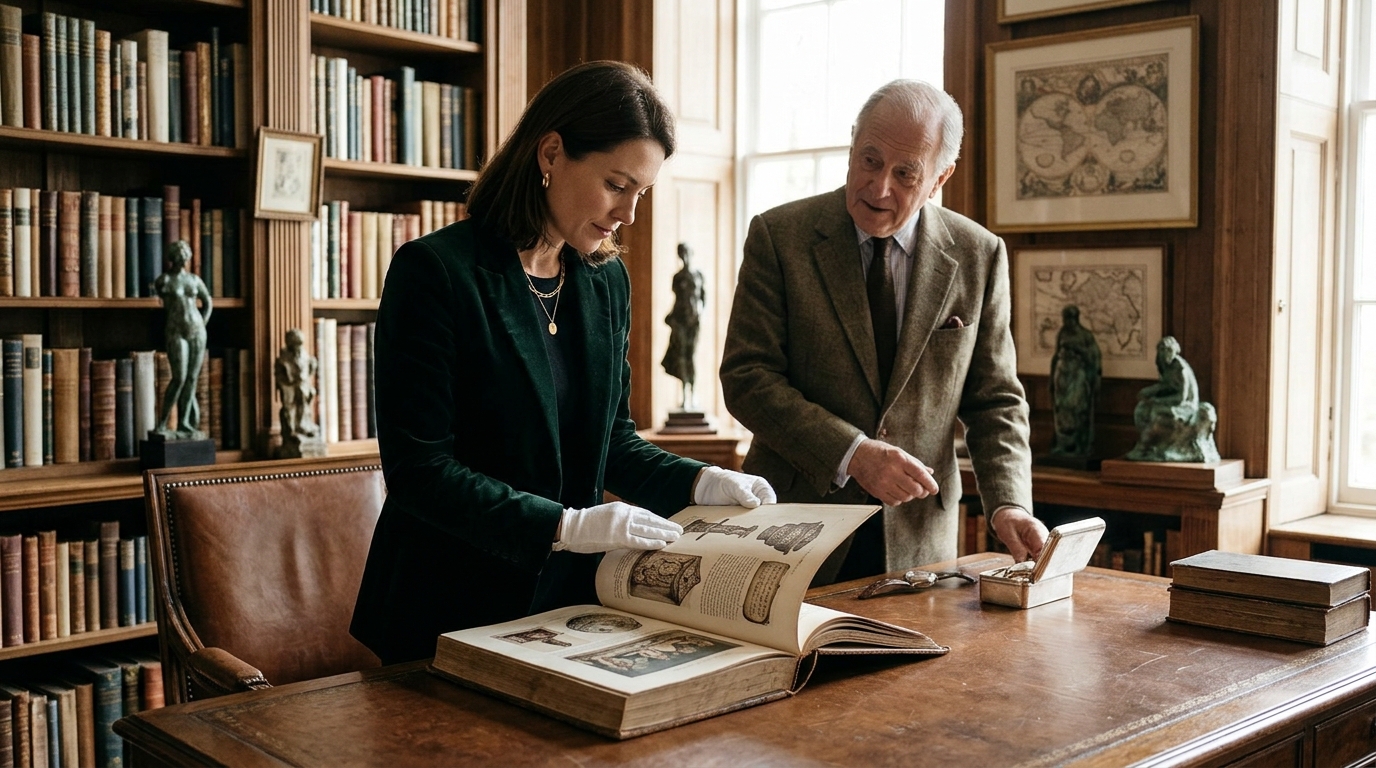
Brand heritage is the primary driver of long-term value retention in the luxury market. Established houses with deep historical roots and consistent craftsmanship standards typically outperform newer entrants in resale value. Hess Fine Art observes that collectors prioritize provenance and historical significance when acquiring high-end pieces. This article compares the value retention capabilities of major luxury categories based on their heritage strength. For additional details, review the hessfineart.com homepage.
Watches: The Benchmark of Heritage Value
Watches represent the most robust category for value retention due to their mechanical complexity and historical prestige. Brand heritage in horology is defined by the continuity of manufacturing techniques and the longevity of the brand's existence. Brands like Patek Philippe and Rolex have maintained consistent value appreciation over decades. Their archives and limited production runs create scarcity that drives secondary market prices. For collectors, the historical narrative of the watchmaker is as important as the timepiece itself.
Strengths of Watch Heritage
- Long-term production history ensures a deep pool of archival data.
- Mechanical movements require specialized skills, preserving artisanal value.
Limits and Reader Fit
High entry costs and strict authentication requirements limit accessibility. This category suits serious collectors and investors with long-term horizons. It is less suitable for casual buyers seeking quick liquidity.
Fashion Houses: Volatility vs. Iconic Status
Fashion luxury brands operate in a more volatile market compared to watches. Heritage in fashion is defined by the brand's influence on cultural trends and the durability of its iconic designs. While some fashion houses hold value well, others suffer from overproduction and trend cycles. The distinction between a fleeting trend and a timeless icon is critical for resale value. Brands with a strong history of innovation and limited exclusivity tend to perform better in the secondary market.

Strengths of Fashion Heritage
- Iconic designs can transcend seasonal trends.
- Strong brand recognition drives demand among younger demographics.
- Collaborations can create unique, collectible pieces.
Limits and Reader Fit
Depreciation is common for non-iconic items. This category suits style-conscious consumers who value aesthetics over pure investment. It requires careful selection of specific models to ensure value retention.
Fine Art: The Ultimate Heritage Play
Fine art is the purest expression of brand heritage in the luxury sector. Artistic heritage is defined by the artist's historical impact, critical acclaim, and the rarity of their surviving works. Unlike mass-produced luxury goods, fine art pieces are unique objects with irreplaceable cultural value. The market for fine art is driven by institutional demand and private collections. Provenance, or the documented history of ownership, is the single most important factor in determining value.
Strengths of Art Heritage
- Unique objects cannot be replicated, ensuring permanent scarcity.
- Historical significance provides a stable floor for value.
- Strong correlation with broader economic and cultural trends.
Limits and Reader Fit
High liquidity barriers and storage costs are significant drawbacks. This category suits high-net-worth individuals and institutional investors. It is not suitable for those seeking frequent trading or quick cash access.
Decorative Arts and Silver: Steady Holders
Strengths of Decorative Heritage
- Durable materials ensure physical longevity.
- Historical context adds narrative value.
- Broad appeal across different collector demographics.
Limits and Reader Fit
Value appreciation is generally slower than in watches or art. This category suits traditional collectors and estate planners. It is a good entry point for those new to luxury collecting.
Comparison of Luxury Categories by Heritage
| Category | Heritage Definition | Value Retention | Liquidity | Best For |
|---|---|---|---|---|
| Watches | Manufacturing continuity | High | Medium | Investors |
| Fashion | Cultural influence | Variable | High | Style Consumers |
| Fine Art | Historical impact | Very High | Low | High-Net-Worth |
| Decorative Arts | Craftsmanship | Stable | Medium | Traditional Collectors |
Choosing the Right Heritage Investment
Frequently Asked Questions
Does brand age alone determine value retention?
No, brand age is a factor but not the sole determinant. Consistency in quality, scarcity, and cultural relevance are equally important. A younger brand with exceptional craftsmanship can outperform an older brand with declining quality.
How does provenance affect the resale value of luxury items?
Provenance, or the documented history of ownership, significantly increases value. Items with notable previous owners or exhibition history command higher prices. This is particularly true in fine art and high-end watches.
Can fashion items ever hold value like watches?
Only specific iconic models from top-tier houses can approach watch-like value retention. Most fashion items depreciate rapidly. Collectors must be selective and focus on limited editions or historically significant designs.
What is among the role of authentication in heritage value?
Authentication is critical for verifying authenticity and condition. Without proper documentation, the value of a heritage item can be severely compromised. Reputable dealers and auction houses provide this assurance.
How should I store luxury items to preserve their value?
Proper storage is essential to maintain condition. Watches should be kept in secure, climate-controlled environments. Art requires specific humidity and light controls. Decorative items need protection from dust and physical damage. Learn more: hessfineart com.