

Shipping Valuable Art: The Right Insurance Coverage
Determining the Correct Coverage Amount
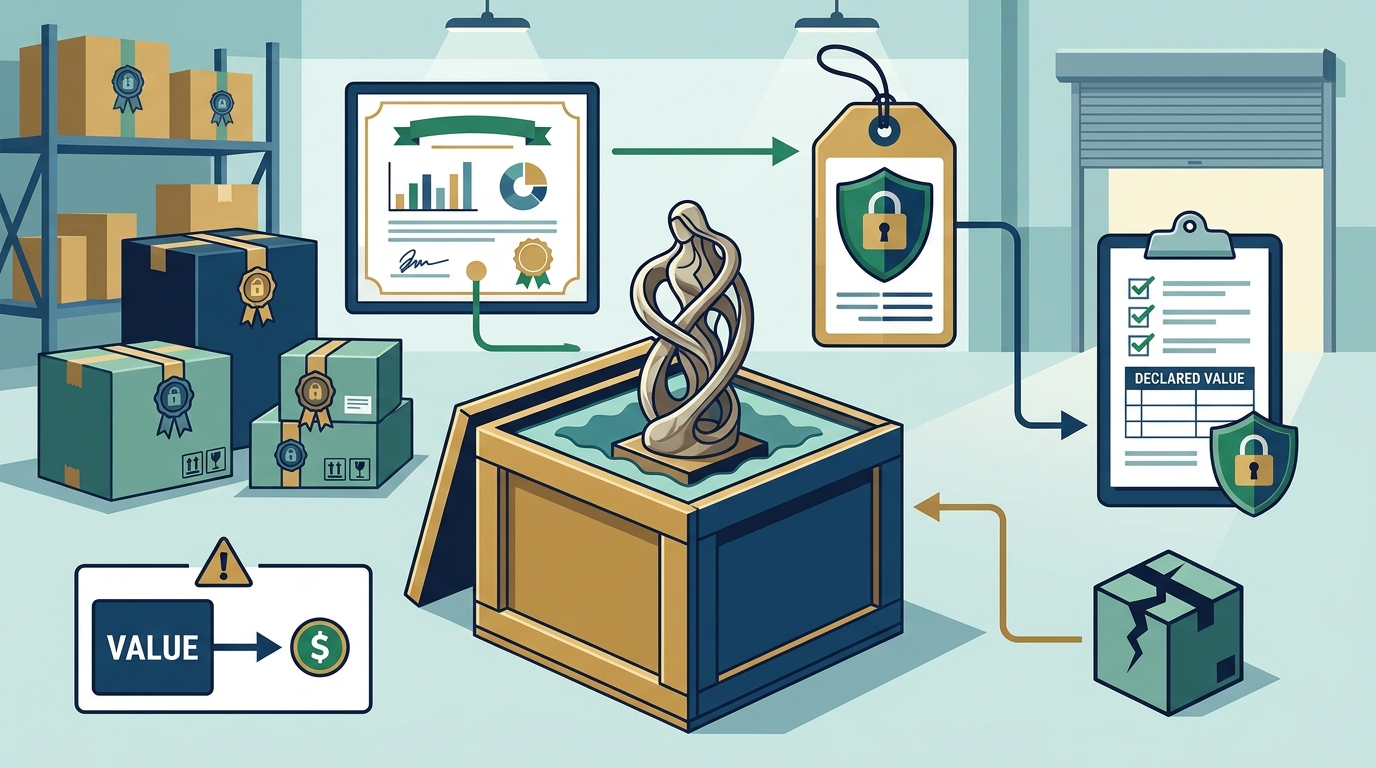
The foundation of any insurance policy is the declared value of the item. Art appraisal is the professional assessment of an artwork's market value based on condition, provenance, and recent sales data. If you insure a piece for less than its true worth, you risk being underinsured. In the event of a total loss, the insurer will only pay out the declared amount, not the actual market value. This gap can result in a significant financial loss for the seller. according to Protecting Your Investments For additional details, review the Customer Experience.
Choosing Between Transit and All-Risk Policies
Not all insurance policies are created equal. Transit insurance is a specific type of coverage designed to protect goods while they are in motion. It typically covers the item from the point of pickup to the point of delivery. However, standard transit policies may have exclusions for certain types of damage or specific carriers. You must read the fine print to understand what is and is not covered. For additional details, review the Frequently Asked Questions.
Meeting Carrier Insurance Requirements
Many professional art carriers require proof of insurance before they will accept a shipment. This is a standard industry practice to mitigate their own liability. The carrier may have specific minimum coverage requirements. For instance, they might require coverage equal to 110% of the declared value. This buffer accounts for potential fluctuations in value or additional costs associated with a claim. For additional details, review the About.
Understanding the Claim Process
Knowing how to file a claim is just as important as having the policy. A claim is a formal request for compensation from an insurance company after a covered loss occurs. The process typically begins with immediate notification to the insurer. You must report the incident as soon as possible, often within 24 to 48 hours. Delaying the report can complicate the investigation and potentially void your claim.
You will need to provide detailed documentation, including the original appraisal, the shipping manifest, and any photos of the damage. The insurer will likely send an adjuster to inspect the item. This inspection determines the extent of the damage and the cost of repair or replacement. Having a clear, organized file with all relevant documents speeds up this process. It also strengthens your position during negotiations. Hess Fine Art emphasizes the importance of keeping all shipping records and correspondence with the carrier. These documents are vital evidence in any claim dispute.
Key Takeaways
- Always insure your artwork for its full appraised value to avoid underinsurance.
- Understand the difference between transit insurance and all-risk policies.
- Check with your carrier for specific insurance requirements and minimum coverage amounts.
- Keep detailed records of the appraisal, shipping, and any incidents for claim purposes.
- Report any damage or loss to your insurer immediately to ensure a smooth claim process.
- Consider the cost of insurance relative to the value of the piece; it is a small price for significant protection.
Frequently Asked Questions
What is the minimum amount of insurance I need for shipping art?
You should insure your artwork for its full appraised value. Some carriers may require a minimum of 110% of the declared value to account for potential fluctuations. Always check with your specific carrier for their exact requirements.
Does standard homeowner's insurance cover art in transit?
Generally, no. Standard homeowner's or renter's insurance policies typically cover items only while they are on your property. They do not cover items while they are in the hands of a carrier or in transit. You need a specific fine art or transit insurance policy for this purpose.
Who pays for the insurance, the seller or the buyer?
This is typically negotiated between the seller and the buyer. In many private sales, the seller is responsible for insuring the item until it is delivered and accepted by the buyer. However, the terms can vary, so it is important to clarify this in your sales agreement.
What happens if the art is damaged during shipping?
If the art is damaged, you must file a claim with your insurance provider. You will need to provide evidence of the damage, such as photos and a report from the carrier. The insurer will then assess the damage and determine the payout based on your policy terms.
Can I use the carrier's insurance instead of a third-party policy?
Protect Your Investment with Hess Fine Art
Shipping valuable art requires careful planning and the right insurance coverage. By understanding the different types of policies and meeting carrier requirements, you can protect your investment effectively. Hess Fine Art is dedicated to helping you navigate this process with confidence. We provide expert guidance on valuation and shipping logistics to ensure your artwork arrives safely. To discuss your specific needs and secure the best coverage, contact Hess Fine Art today. Learn more: hessfineart com.