
Shipping high-value artwork requires precision, specialized materials, and rigorous insurance protocols to ensure the piece arrives in pristine condition. According to recent industry data, improper packaging accounts for nearly 40% of all art shipping claims, making professional preparation the single most critical factor in a successful transaction. This guide outlines the exact steps to protect your investment while navigating the complexities of global logistics.
Assessing Art Value and Insurance Needs
Before you even touch a box, you must establish the definitive value of the artwork. Insurance companies and carriers require an accurate appraisal to determine coverage limits. Art valuation is the process of determining the fair market value of a piece based on provenance, condition, and market demand. Without this baseline, you risk being underinsured in the event of damage or loss.
At Hess Fine Art, we emphasize that accurate identification is key to securing proper coverage. Our team of experts, including GIA Graduate Gemologists and certified appraisers, can provide the necessary documentation. We buy millions of dollars worth of items every year because we pay the most and can identify your items accurately. This expertise ensures that your artwork is not just valued, but understood in the context of the current market.
When selecting insurance, look for "wall-to-wall" coverage that includes transit, storage, and installation. Standard homeowner's policies rarely cover high-value art during transit. You need a specialized fine art insurance policy that covers "nail-to-nail" liability. This means coverage begins the moment the art is touched by the shipper and ends only when it is received and inspected by the buyer.
Professional Packaging Techniques
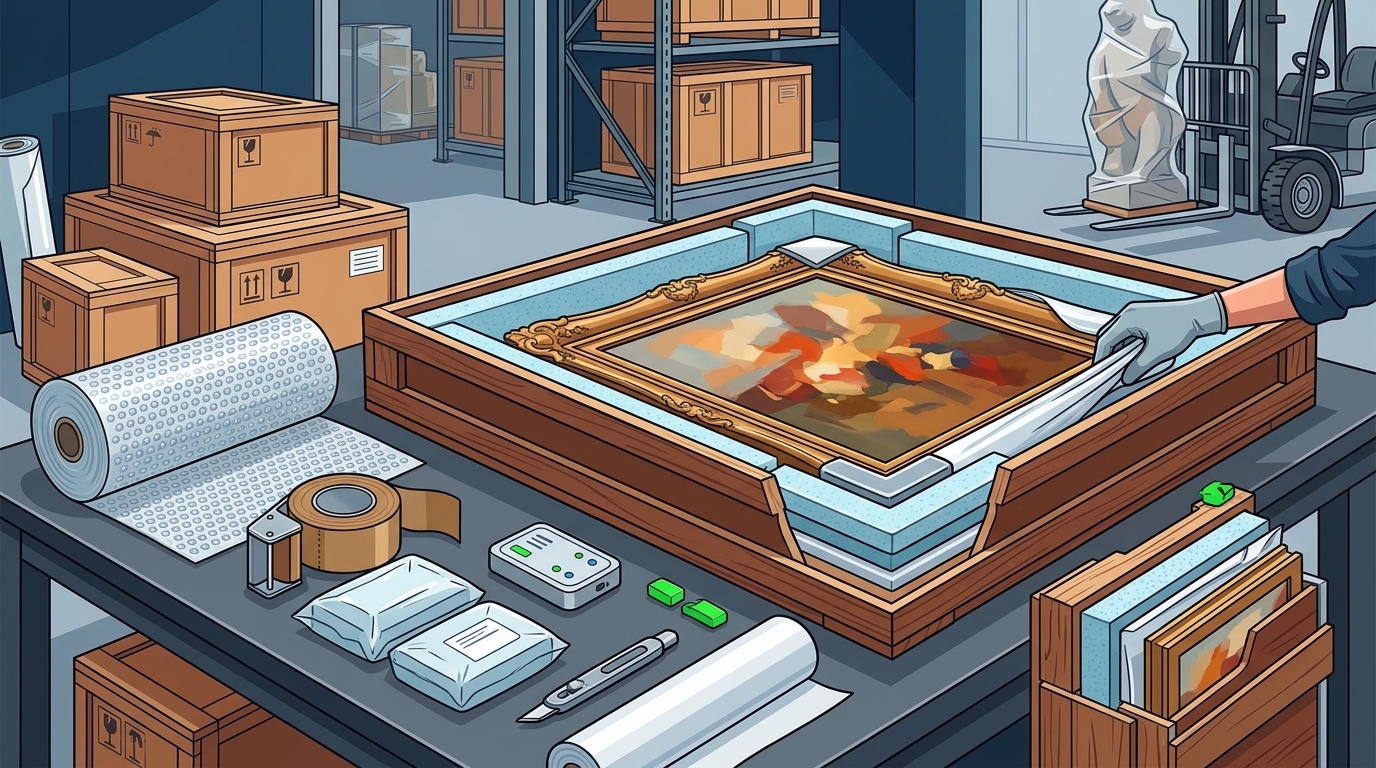
Packaging is the first line of defense against physical damage. The goal is to immobilize the artwork within its crate to prevent any movement during transit. Crating is the construction of a custom wooden box designed to protect fragile items from impact and environmental changes. For valuable pieces, a floating crate is often recommended, where the artwork is suspended within the box using foam or airbags to absorb shock.
Materials You Will Need
- Acid-free tissue paper: To wrap the surface of the artwork, preventing chemical reactions and scratches.
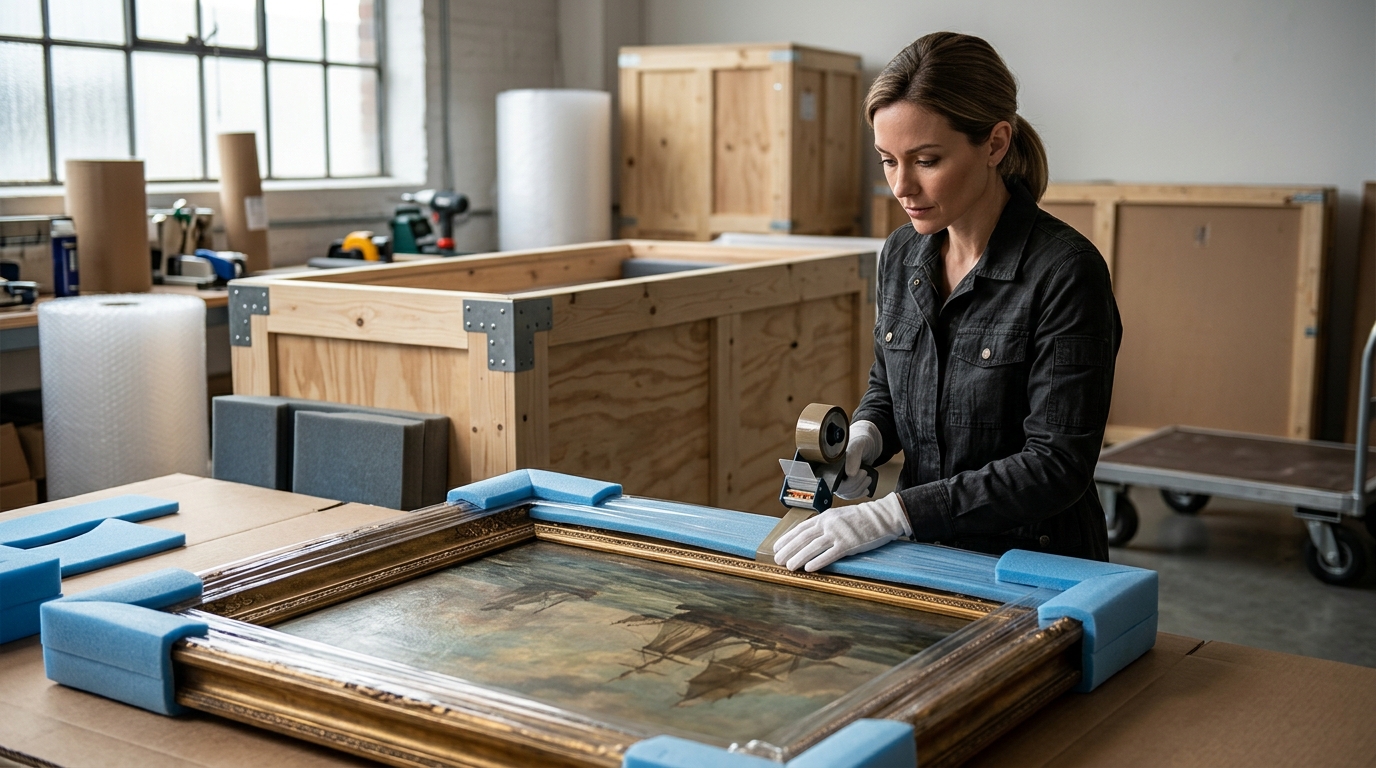
- Corner protectors: Rigid cardboard or foam corners to shield the edges of the frame or canvas.
- Stretch wrap: To secure the wrapping and protect against moisture.
- Custom foam inserts: To cradle the artwork and prevent shifting.
- Heavy-duty corrugated cardboard: For outer layer protection if a full crate is not used.
The Packing Process
Start by wrapping the artwork in acid-free tissue paper. Ensure that the paper does not touch any loose elements like dangling chains or protruding frame details. Next, apply corner protectors to all four corners. For paintings, wrap the entire piece in stretch wrap to create a moisture barrier. If the artwork is a sculpture or has irregular shapes, use custom foam inserts to fill all voids.
For high-value items, we recommend professional crating services. At Hess Fine Art, our staff is trained in the most delicate handling procedures. We buy luxury swiss and vintage watches, and estate, vintage jewelry and diamonds, but we also handle art and collectibles with the same level of care. Our experts understand that a single scratch can significantly devalue a piece.
Choosing the Right Shipping Method
The method of shipping depends on the value, size, and fragility of the artwork. For pieces valued over $10,000, white-glove courier services are the industry standard. These services use climate-controlled vehicles and specialized air-ride suspension trucks to minimize vibration.
Comparison of Shipping Options
| Shipping Method | Best For | Pros | Cons |
|---|---|---|---|
| White-Glove Courier | High-value art, sculptures, antiques | Climate control, door-to-door, unpacking | Higher cost, slower delivery |
| Specialized Art Carrier | Large paintings, framed works | Specialized racks, experienced handlers | May require drop-off/pickup |
| Standard Freight | Low-value, durable items | Cost-effective | High risk of damage, no insurance |
When selecting a carrier, verify their experience with fine art. Ask for references and proof of insurance. Hess Fine Auctions often works with trusted logistics partners who understand the nuances of handling prestigious watch collections and art. These partners are vetted for their reliability and security protocols.
Essential Documentation and Customs
Proper documentation is crucial for both insurance and customs clearance. You must provide a detailed invoice, a condition report, and high-resolution photographs of the artwork before it leaves your possession. This creates a baseline for any potential claims.
Condition Reports
A condition report is a detailed description of the artwork's state at the time of shipping. It should include close-up photos of any existing flaws, scratches, or restorations. This document protects you from false claims of damage that occurred prior to shipping. At Hess Fine Art, we provide comprehensive condition reports for all items we appraise and sell. Our staff lectures audiences have included the American and International Society of Appraisers, ensuring our methods meet the highest professional standards.
Customs Forms
For international shipments, you will need to complete customs forms accurately. Misdeclaring the value or description of the artwork can lead to seizures, fines, or delays. Use the Harmonized System (HS) codes specific to art and antiques. Ensure that the commercial invoice matches the packing list exactly. Any discrepancy can raise red flags for customs officials.
Real-Time Tracking and Security
Once the artwork is in transit, you need real-time visibility. Choose a carrier that offers GPS tracking and temperature monitoring. This allows you to intervene immediately if the shipment deviates from its route or is exposed to extreme temperatures.
Consider using tamper-evident seals on all crates and boxes. These seals provide visual evidence if the package has been opened during transit. Additionally, insure the shipment for its full appraised value. Do not rely on the carrier's limited liability coverage. Liability coverage is the financial protection provided by an insurer to compensate for loss or damage to the artwork.
At Hess Fine Art, we prioritize the security of our clients' assets. Our team is dedicated to providing a seamless experience from appraisal to sale. We buy and sell millions of dollars worth of items every year, and our reputation is built on trust and accuracy. Contact us to discuss your specific shipping needs and ensure your artwork is handled with the utmost care.
Key Takeaways
- Professional Appraisal: Always obtain a current appraisal before shipping to ensure adequate insurance coverage.
- Custom Crating: Use custom-built crates for high-value items to prevent movement and shock.
- White-Glove Service: Choose white-glove couriers for door-to-door handling and climate control.
- Condition Reports: Document the artwork's condition with photos and written reports before shipping.
- Insurance: Secure "nail-to-nail" insurance coverage that includes transit and storage.
- Expert Handling: Work with established experts like Hess Fine Art who have decades of experience in the industry.
- Documentation: Ensure all customs and insurance documents are accurate and match the physical shipment.
Frequently Asked Questions
How much does it cost to ship expensive art?
Costs vary based on distance, size, and value. White-glove services typically start at $500 for local shipments and can exceed $5,000 for international transport. Insurance premiums are usually 1-3% of the appraised value.
Can I ship art myself using a standard carrier?
It is not recommended for high-value pieces. Standard carriers lack the specialized handling and insurance options required for fine art. The risk of damage is significantly higher.
What is a condition report?
A condition report is a detailed document describing the artwork's state at the time of shipping, including photos of any existing flaws. It is essential for insurance claims.
How do I insure my artwork during shipping?
You can purchase specialized fine art insurance through your appraiser or a dedicated art insurance provider. Ensure the policy covers "wall-to-wall" liability.
What should I do if my art is damaged during shipping?
Document the damage immediately with photos and video. Contact your insurance provider and the carrier to file a claim. Provide the condition report and appraisal documents.
Do I need customs forms for domestic shipping?
No, customs forms are only required for international shipments. However, you still need a detailed invoice and insurance documentation for domestic high-value items.
How long does it take to ship art internationally?
International shipping can take 2-4 weeks, depending on customs clearance and the shipping method. White-glove services may take longer due to their careful handling processes.
Contact Hess Fine Art for Expert Appraisal
Shipping expensive art is a complex process that requires expertise, precision, and trust. At Hess Fine Art, we are one of the top buyers in the USA and have the most experienced and educated staff in Florida. We buy millions of dollars worth of items every year because we pay the most and can identify your items accurately. Whether you are selling art, jewelry, or collectibles, our team is here to guide you through every step of the process.
Do not risk your valuable assets with inexperienced handlers. Contact us today to schedule an appraisal or discuss your shipping needs. Visit our Sell to Us page to get started, or call us at 1-800-922-4377 for immediate assistance. Let our experts ensure your artwork arrives safely and securely.