
Shipping fine art is not merely a logistical task. It is a high-stakes operation where a single error can result in irreversible damage to irreplaceable assets. According to recent industry data, improper handling accounts for nearly 40% of all claims filed against art insurers. This statistic highlights a critical reality. The difference between a successful delivery and a catastrophic loss often lies in the details of preparation and the expertise of the handler. At Hess Fine Art, we see the consequences of these mistakes daily. Our team in Florida has handled millions of dollars worth of art, jewelry, and collectibles. We understand that accurate identification and careful packaging are the first lines of defense. This guide outlines the most frequent errors collectors make and how to avoid them. (Contact Hess Fine Art)
Understanding Value Beyond the Price Tag
One of the most significant mistakes shippers make is underestimating the fragility of an item based on its appearance. A painting may look sturdy, but the canvas tension and paint layer integrity are vulnerable to vibration. Art is defined as a work of visual expression that requires specialized care to maintain its aesthetic and monetary value. Collectors often assume that standard courier services are sufficient for smaller pieces. This assumption is dangerous. The value of a piece is not just its market price. It is also its historical significance and physical condition.
When you ship a piece, you are transferring risk. If the item is not properly documented, the claim process becomes a nightmare. Hess Fine Art emphasizes that accurate identification is crucial. We buy millions of dollars worth of items every year because we can identify them accurately. This expertise comes from decades of experience. It is not something that can be replicated by a generic shipping label. You must treat every item as if it were unique, even if it is part of a larger collection.
Another common error is failing to assess the item's current condition before packing. Minor scratches or loose frames can worsen during transit. Documenting these pre-existing conditions with high-resolution photos is essential. This documentation serves as proof of condition. It protects both the shipper and the receiver. Without this evidence, disputes over damage are nearly impossible to resolve fairly.
Critical Packaging Errors to Avoid
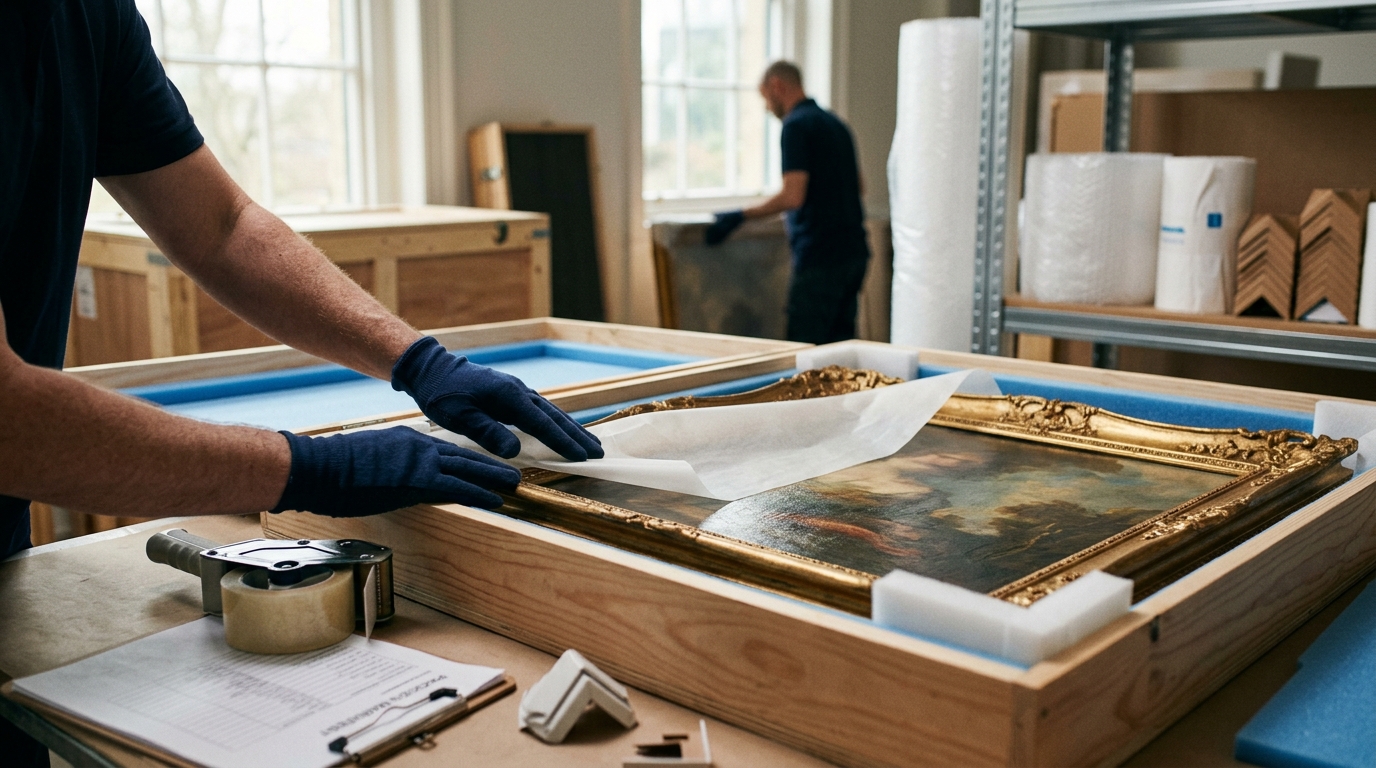
Packaging is the most visible aspect of shipping, yet it is where most mistakes occur. The first rule of art packaging is that the box is not the protection. The materials inside are. Using standard cardboard boxes for heavy or fragile items is a fatal error. Proper packaging requires custom crating that isolates the item from external shocks and vibrations. Collectors often try to save money by using generic boxes. This decision often leads to broken frames or cracked canvases.
Another frequent mistake is insufficient cushioning. Items must be wrapped in acid-free paper and padded with foam or bubble wrap. However, over-packing can be just as dangerous. If the item shifts inside the box, it can sustain damage from impact. The goal is a snug fit that prevents movement. For paintings, corner protectors are mandatory. These protect the most vulnerable points of the frame from direct impact.
Water damage is another risk that is often overlooked. Even in dry climates, humidity can fluctuate during transit. Using desiccants inside the crate can help regulate moisture. This is particularly important for works on paper or mixed media. These materials are highly sensitive to environmental changes. Ignoring this factor can lead to warping, mold, or ink bleeding. The cost of desiccants is negligible compared to the cost of restoring a damaged piece.
The Role of Climate Control in Transit
Temperature and humidity control are critical for preserving the integrity of art. Many shippers assume that indoor delivery is sufficient. This is not always true. Trucks and warehouses can experience significant temperature swings. Climate control refers to the maintenance of stable temperature and humidity levels to prevent material degradation. For example, oil paintings can crack if exposed to rapid temperature changes. Wood frames can expand or contract, causing the canvas to loosen.
Collectors often fail to specify climate-controlled transport in their shipping instructions. This oversight can lead to severe damage. It is essential to request climate-controlled vehicles for high-value items. This service ensures that the environment remains stable throughout the journey. It is a small additional cost that provides significant peace of mind. At Hess Fine Art, we prioritize the preservation of our clients' assets. We understand the importance of maintaining a stable environment.
Humidity is just as important as temperature. High humidity can cause mold growth on canvas and paper. Low humidity can cause wood to dry out and crack. A balanced environment is key. This balance is difficult to maintain without specialized equipment. Relying on standard shipping methods leaves your art vulnerable to these invisible threats. Always verify that your carrier has the capability to provide climate control.
Choosing the Right Carrier for High-Value Items
Not all carriers are created equal. Using a standard courier service for high-value art is a major mistake. These services often lack the expertise to handle fragile items. They also have limited liability coverage. Specialized art handlers are professionals who possess the training and equipment to manage the unique risks of art transportation. Hess Fine Art works with trusted partners who understand these nuances. We buy and sell millions of dollars worth of items every year. Our reputation depends on the safe handling of our clients' assets.
When choosing a carrier, look for experience in fine art. Ask about their packaging methods and insurance options. Do they offer white-glove service? This service includes careful handling, installation, and unpacking. It is worth the extra cost for valuable pieces. Generic carriers often treat art like any other package. This approach is risky and unnecessary.
Another factor to consider is the carrier's network. A wide network ensures that your item can be tracked and monitored at every stage. Real-time tracking provides visibility into the shipment's location and status. This transparency is crucial for high-value items. It allows you to intervene if any issues arise. Never compromise on the carrier's reputation. Your art deserves the best possible care.
Navigating Insurance and Liability Gaps
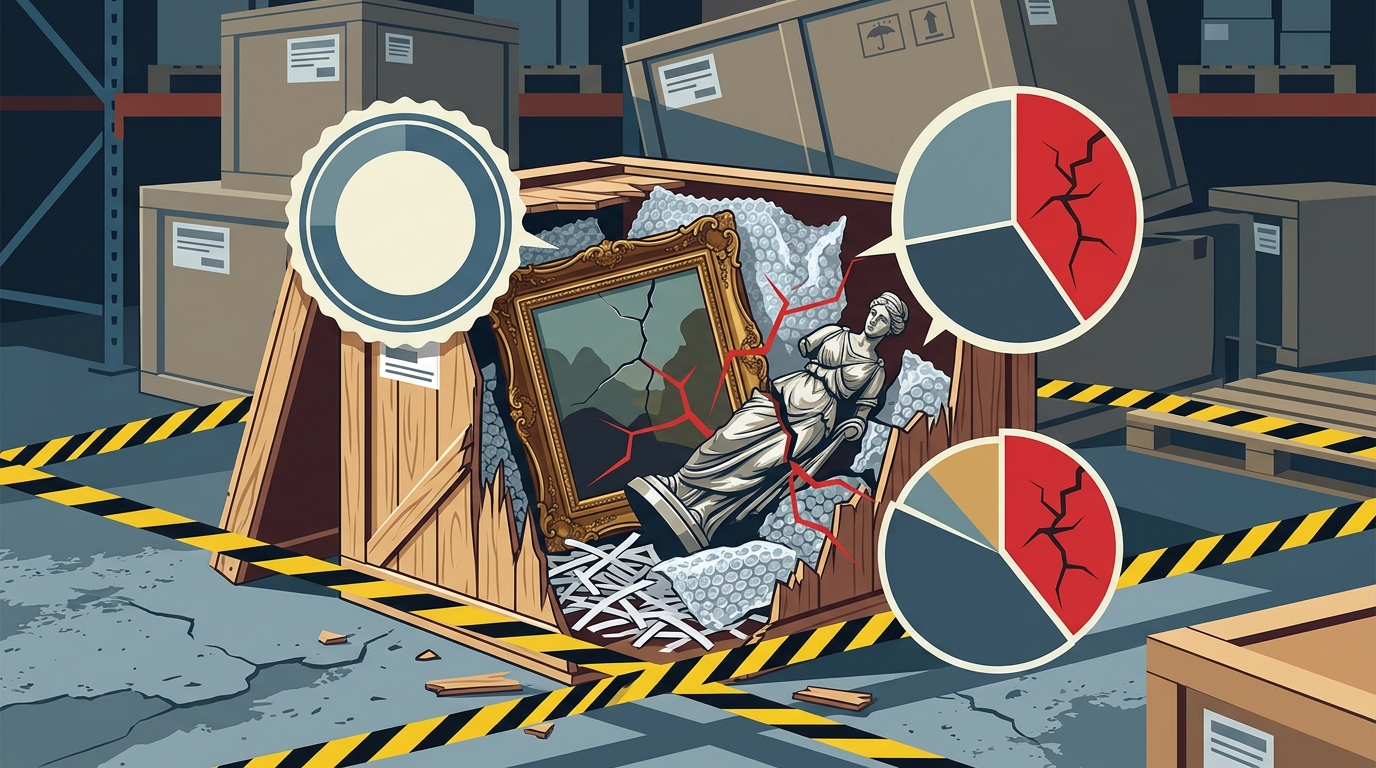
Insurance is a critical component of shipping art. Many collectors assume that their homeowner's policy covers shipped items. This is often not the case. Policies may have limits on off-premises coverage. Fine art insurance is a specialized policy that provides comprehensive coverage for art during transit and storage. It is essential to review your policy before shipping. Ensure that the coverage amount matches the current market value of the item.
Another common mistake is underinsuring the item. The declared value must reflect the replacement cost. If the item is damaged, the payout will be based on the declared value. Underinsuring can lead to significant financial loss. Always get a professional appraisal before shipping. This appraisal provides the necessary documentation for insurance purposes. It also helps in accurate identification.
Liability gaps are another risk. Standard carrier liability is often limited to a few dollars per pound. This is insufficient for high-value art. You need additional coverage to protect against full loss or damage. Work with a specialist who can help you navigate these complexities. At Hess Fine Art, we advise our clients to secure comprehensive coverage. We understand the value of your assets and the risks involved.
Key Takeaways
- Proper Identification: Accurate identification prevents loss and ensures correct handling. Hess Fine Art identifies items with precision.
- Custom Crating: Standard boxes are insufficient. Custom crates provide necessary protection against shocks.
- Climate Control: Stable temperature and humidity prevent material degradation during transit.
- Specialized Carriers: Use carriers with experience in fine art for white-glove service.
- Comprehensive Insurance: Standard policies often have gaps. Secure specialized fine art insurance.
- Documentation: Photograph items before packing to document pre-existing conditions.
- Expert Consultation: Consult with experts like Hess Fine Art for guidance on high-value items.
Frequently Asked Questions
How do I know if my art needs climate control?
If your art includes oil paintings, wood frames, or works on paper, climate control is essential. These materials are sensitive to temperature and humidity fluctuations. Hess Fine Art recommends climate control for all high-value items.
What is the difference between standard and fine art insurance?
Standard insurance often has low liability limits and excludes off-premises coverage. Fine art insurance provides comprehensive coverage based on the item's appraised value. It covers transit, storage, and installation.
Can I ship my art myself to save money?
While it may seem cost-effective, self-shipping carries significant risk. Without proper packaging and expertise, damage is likely. Professional handlers have the tools and knowledge to ensure safe delivery.
How often should I appraise my art collection?
It is recommended to appraise your collection every three to five years. Market values change, and accurate appraisals ensure adequate insurance coverage. Hess Fine Art offers professional appraisal services.
What should I do if my art is damaged during shipping?
Document the damage immediately with photos. Contact your insurance provider and the carrier. Seek professional restoration advice. Hess Fine Art can assist with restoration and claim support.
Why is custom crating necessary for art?
Custom crating isolates the item from external shocks and vibrations. It provides a secure fit that prevents movement. Standard boxes do not offer this level of protection.
How does Hess Fine Art ensure item safety?
We use experienced staff, custom packaging, and climate-controlled transport. Our team has decades of experience in handling high-value art and collectibles.
Protect Your Collection Today
Shipping valuable art requires expertise, precision, and care. Do not leave your assets to chance. Contact Hess Fine Art for professional guidance on shipping, appraisals, and sales. Visit our Sell Your Items page to learn more about our services. Our team in Florida is ready to assist you with your high-value needs. Ensure your art arrives safely and in perfect condition.