
How Brand Heritage Shapes the Value of Your Luxury Item
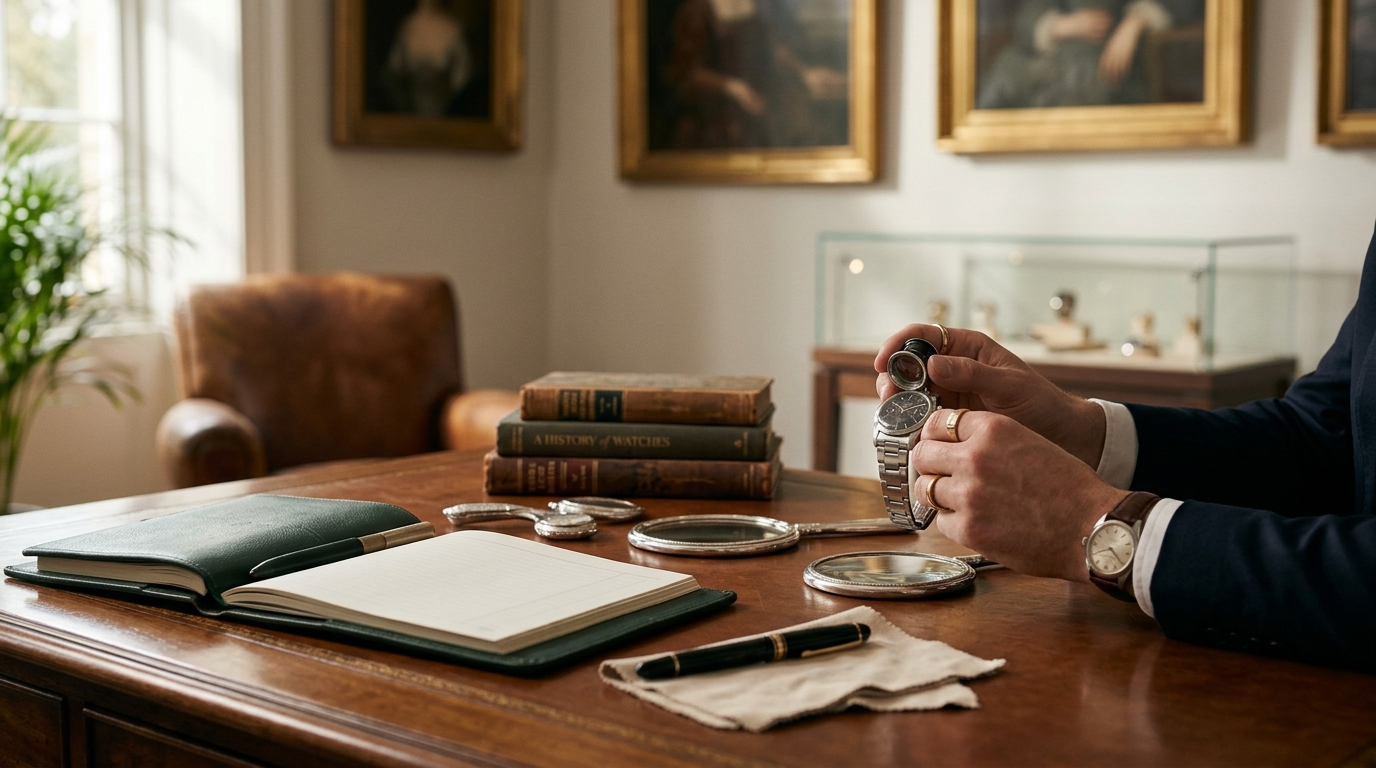
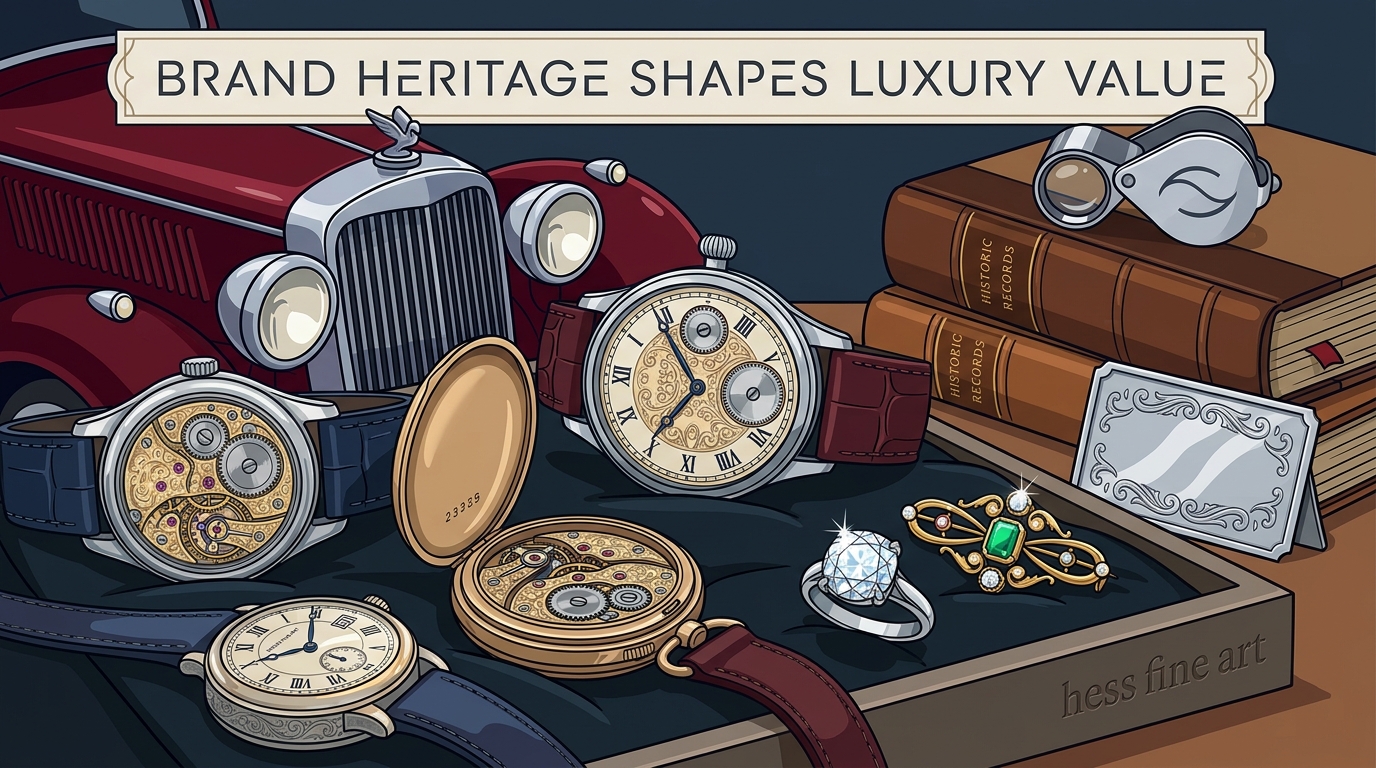
Brand heritage is the accumulated history, craftsmanship, and cultural significance of a manufacturer that directly influences the resale value of its products. A strong reputation for quality and exclusivity creates a premium that persists long after the item leaves the showroom. At Hess Fine Art, we see this dynamic play out daily in the markets for vintage watches, fine jewelry, and classic automobiles. Understanding this connection helps owners make informed decisions about when and how to sell their assets.
The Foundation of Brand Equity
Brand equity is the commercial value derived from consumer perception of a brand name rather than the product's intrinsic material value. When a company like Rolex or Cartier maintains a consistent standard of excellence over decades, that consistency builds a trust reservoir. This trust translates into a higher floor price for secondary market transactions. Collectors are willing to pay more for a piece from a house with a documented lineage of innovation because the risk of depreciation is lower. The history of the brand acts as a guarantee of quality that no new entrant can easily replicate. For additional details, you can reach out to the team directly.
Historical Milestones and Model Significance
Specific historical events can create spikes in value for certain models or collections. For example, the introduction of the first waterproof wristwatch or the first automatic chronograph often becomes a defining moment in a brand's narrative. Items produced during these pivotal years carry a premium because they represent a technological leap. At Hess Fine Auctions, we frequently encounter timepieces from these eras that command prices far above their original retail cost. The story behind the item becomes as valuable as the mechanics inside the case. Buyers are not just purchasing a tool; they are acquiring a piece of industrial history.
Scarcity and Production Limits
Scarcity is a primary driver of value in the luxury goods market. Brands that limit production runs or discontinue specific models create artificial scarcity that drives up demand among collectors. When a brand stops making a particular reference number, the existing supply becomes fixed while demand often continues to grow. This imbalance pushes prices upward over time. We advise clients to consider the production history of their items when evaluating their worth. A watch produced in a run of 500 pieces will generally hold its value better than one produced in a run of 50,000, assuming all other factors are equal. The rarity factor is a direct result of the brand's strategic decisions regarding production volume. For additional details, you can learn more about our services.
Cultural Influence and Celebrity Endorsement
Cultural relevance plays a significant role in how a brand is perceived by the general public and collectors alike. When a luxury brand is featured in high-profile films, worn by influential figures, or associated with major cultural events, its desirability increases. This cultural cachet can outlast the initial hype and become embedded in the brand's identity. For instance, certain watch models have become iconic due to their association with specific historical figures or cinematic characters. This cultural imprint adds a layer of value that is difficult to quantify but is clearly reflected in auction results. The brand's reputation as a status symbol reinforces its position in the luxury hierarchy.
Long-Term Market Stability
Brands with long histories tend to exhibit greater price stability in the secondary market. Newer brands may experience volatile price swings as they establish their reputation, while established houses provide a more predictable investment profile. This stability is attractive to serious collectors who view their purchases as long-term holdings. The track record of a brand over several decades serves as a risk mitigation factor. At Hess Fine Art, we often see that items from established brands retain a higher percentage of their original value compared to items from newer, less proven brands. This long-term stability is a key component of brand heritage that owners should consider when planning their estate or collection strategy.
Key Takeaways
- Brand heritage creates a premium that persists in the secondary market.
- Historical milestones in a brand's timeline can significantly increase the value of specific models.
- Scarcity, often driven by limited production runs, is a major value driver.
- Cultural influence and celebrity associations add intangible value to luxury items.
- Established brands offer greater price stability compared to newer entrants.
- Documentation and provenance enhance the value of heritage items.
Frequently Asked Questions
Does the age of a luxury item always increase its value?
Not necessarily. While age can contribute to value, the brand's reputation and the item's condition are often more important factors. A well-preserved item from a prestigious brand will generally hold its value better than a damaged item from the same brand, regardless of age.
How does a brand's discontinuation of a model affect its price?
Discontinuation often leads to an increase in price due to scarcity. Once a model is no longer available for purchase at retail, the secondary market becomes the only source, which can drive up demand and prices among collectors.
Can a brand's negative history lower the value of its items?
Yes. Scandals, quality control issues, or a decline in craftsmanship can negatively impact a brand's reputation and, consequently, the value of its items. However, established brands often recover from such events over time.
What role does provenance play in determining value?
Provenance, or the documented history of ownership, can significantly enhance the value of a luxury item. Items with a notable previous owner or a documented history of use in significant events often command higher prices.
How often should I have my luxury items appraised?
It is advisable to have high-value items appraised every three to five years, or after any significant market shift. Regular appraisals help you stay informed about the current market value of your collection.
Does the country of origin affect a brand's reputation?
Yes. Certain countries, such as Switzerland for watches or Italy for leather goods, are associated with specific standards of craftsmanship. This geographic association can enhance the perceived value of items from those regions.
How does Hess Fine Art determine the value of heritage items?
We consider a combination of factors, including the brand's history, the item's condition, rarity, and current market trends. Our team of experts uses their extensive experience and market data to provide accurate valuations. Learn more: Contact Hess Fine Art.