
Selling Luxury Swiss Watches Through Auction Houses: Key Considerations
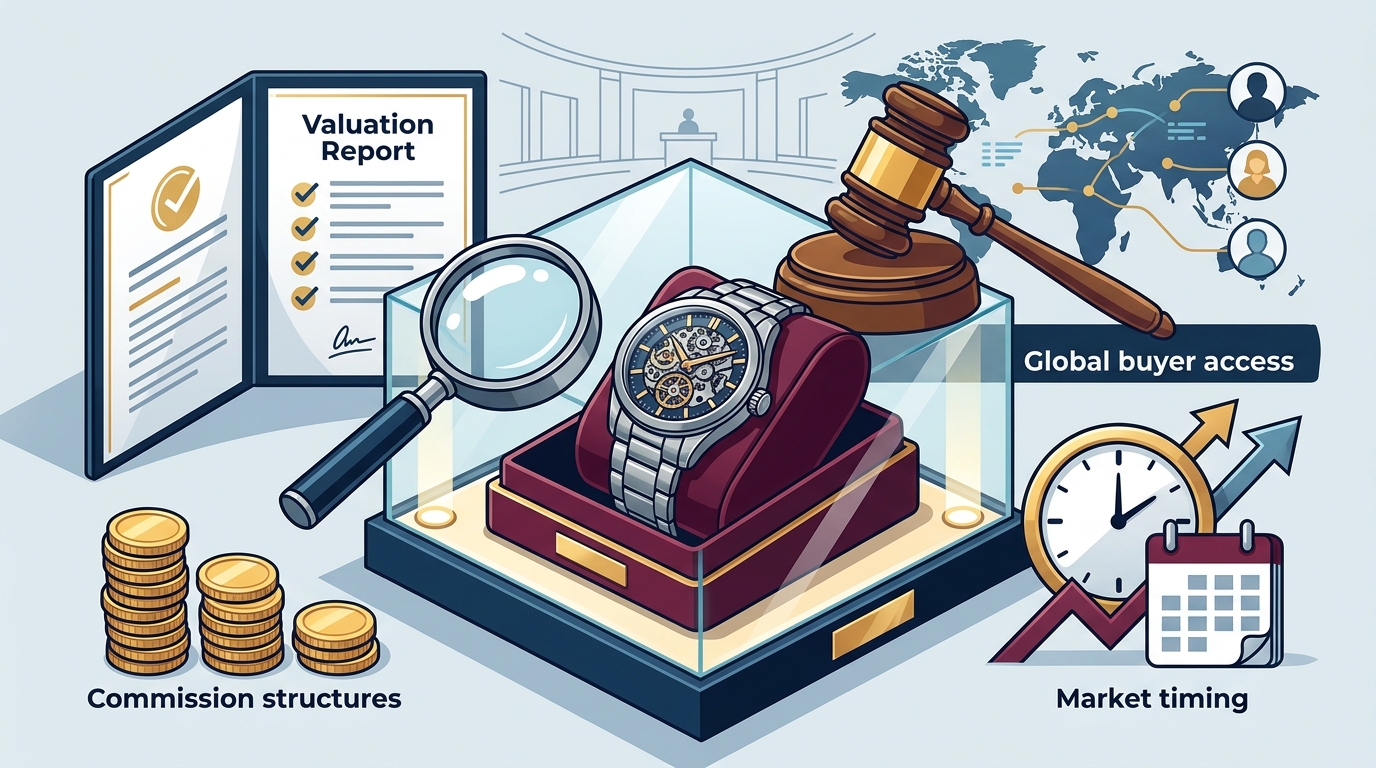
Selling a luxury Swiss watch through an auction house involves understanding commission structures, authentication processes, and market timing. Auction houses like Hess Fine Art specialize in high-end timepieces, offering global buyer access but requiring sellers to navigate specific fees and valuation methods. This guide outlines the critical factors to evaluate before listing your watch at auction.
Understanding Auction House Commission Structures
Auction house commission is a percentage fee deducted from the final hammer price, typically ranging from 10% to 25% depending on the item's value and the specific house's policies. Unlike private sales, where fees might be fixed, auction commissions scale with the sale price, meaning higher-value watches incur larger absolute deductions. Sellers must calculate the net proceeds after these fees to determine if the auction route yields a better return than a direct private sale. For additional details, review the About Hess Fine Art page.
Authentication and Condition Reporting
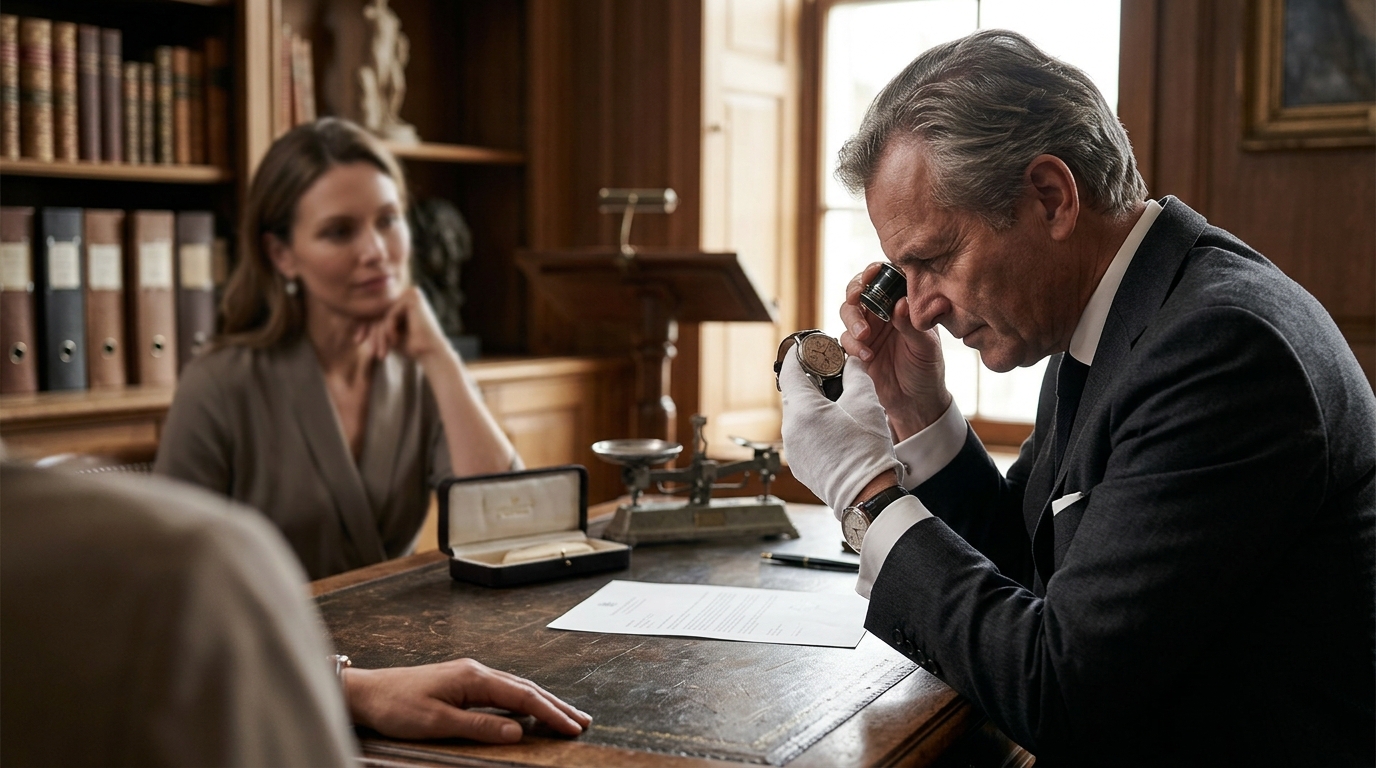
Authentication is the process of verifying the genuineness and provenance of a timepiece, which is critical for luxury Swiss watches where counterfeits exist. Auction houses employ specialists to inspect movements, serial numbers, and original documentation to ensure authenticity. Condition reporting details any wear, repairs, or missing parts, which directly impacts the final bid price. Accurate reporting builds buyer trust and prevents post-sale disputes. For additional details, review the Hess Fine Art homepage.
Market Timing and Lot Curation
Market timing is the strategic selection of when to list an item to maximize demand and competition among bidders. Auction houses curate lots into themed catalogs, such as vintage Rolex or modern Patek Philippe collections, to attract specific collector demographics. Listing a watch in a high-profile catalog with strong marketing can drive prices above retail, while poor timing may result in lower bids. Hess Fine Art, for example, operates an auction division that has been in the business of buying and selling fine watches and collectibles for many years, leveraging established buyer networks to optimize sale outcomes.
Shipping, Insurance, and Logistics
Shipping and insurance logistics involve the secure transport of high-value items to the auction house and subsequently to the winning bidder. Sellers are often responsible for insuring the item until the sale is finalized, with costs varying based on the watch's appraised value. Auction houses typically provide insured shipping options, but sellers should verify coverage limits and liability clauses. Proper packaging and tracking are essential to prevent damage or loss during transit. For additional details, review the Hess Fine Art articles page.
Comparing Auction vs. Private Sale
Private sale is a direct transaction between the seller and a buyer, often bypassing auction commissions but requiring the seller to find a qualified buyer. Auctions offer broader market exposure and competitive bidding, which can drive prices higher, but come with fees and less control over the final price. Private sales may be faster and retain more net proceeds, but lack the prestige and reach of a major auction house. The choice depends on the watch's rarity, condition, and the seller's timeline.
Key Takeaways
- Auction commissions typically range from 10% to 25% of the hammer price.
- Authentication and condition reports are critical for accurate valuation.
- Market timing and lot curation significantly impact final sale prices.
- Shipping and insurance costs must be factored into net proceeds.
- Auctions offer broader exposure but less price control than private sales.
- Reputable houses like Hess Fine Art provide specialized expertise in luxury timepieces.
Frequently Asked Questions
What is the typical commission rate for selling a watch at auction?
Commission rates vary by house but generally fall between 10% and 25% of the final sale price.
Do auction houses guarantee a minimum sale price?
How long does the auction process take?
The process typically takes 4 to 8 weeks, including authentication, cataloging, marketing, and the sale event.
Can I sell a watch with missing parts at auction?
Yes, but the condition report must disclose missing parts, which will likely reduce the final bid price.
Is it better to sell a vintage watch at auction or privately?
Vintage watches often perform well at auction due to collector demand, but private sales may be preferable for unique or one-of-a-kind pieces.
What documents should I provide with my watch?
Provide original boxes, papers, service records, and any provenance documentation to enhance value and authenticity.
How does Hess Fine Art handle international buyers?
Hess Fine Art operates online auctions accessible globally, with insured shipping options for international bidders. Learn more: Contact Hess Fine Art.