
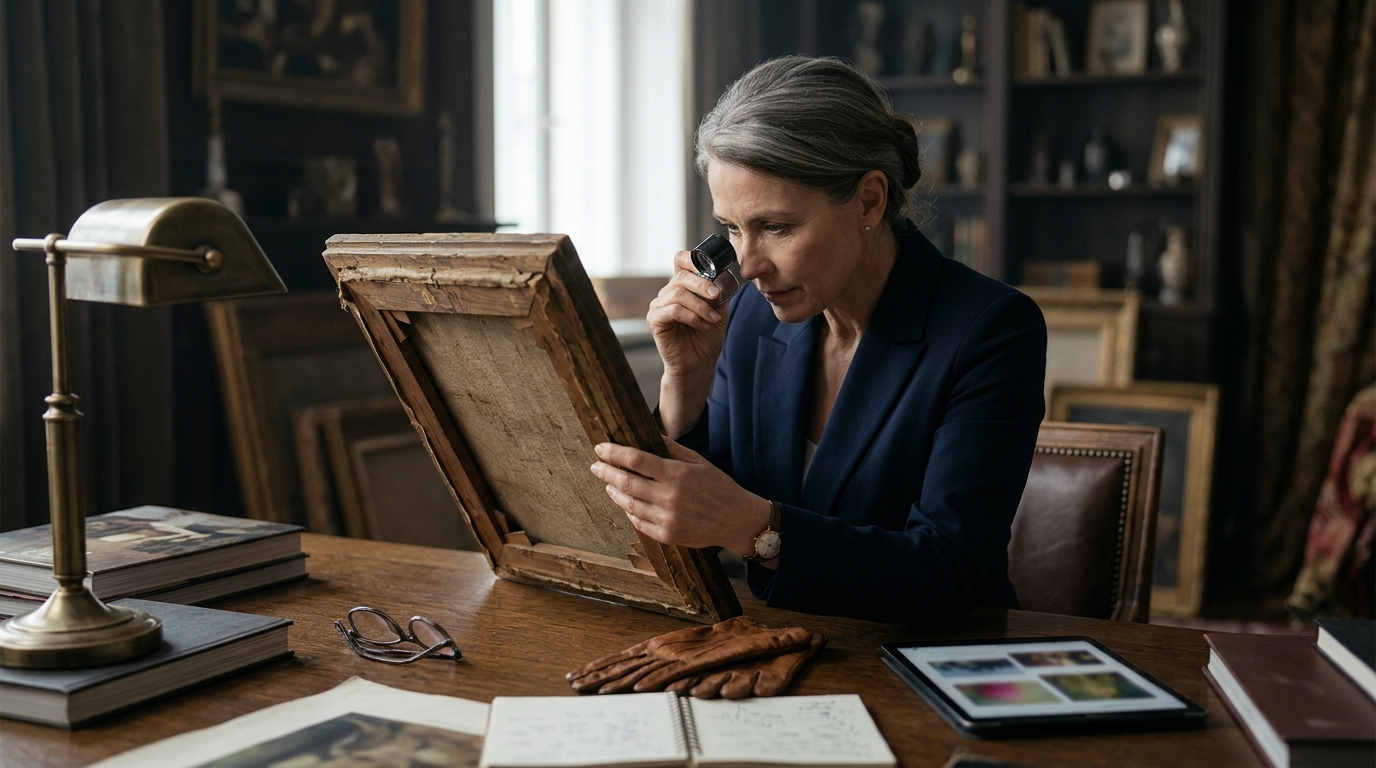
Authenticity is the single most critical factor determining the market value of any fine art or antique piece. Without verified provenance and physical confirmation, a valuable item may be dismissed as a reproduction or forgery. Hess Fine Art, a leading buyer of luxury items in the US, emphasizes that rigorous verification protects both the seller's interests and the integrity of the art market. This guide outlines the essential steps to confirm authenticity before listing your collection.
1. Examine Physical Materials and Aging
Physical degradation patterns must align with the claimed age of the item. Experts look for natural wear, such as craquelure in oil paintings or patina on silver, which cannot be easily replicated by modern forgers. The chemical composition of the materials should also match the historical period of the piece. For example, certain pigments were not available until the 19th century, which immediately dates a painting. Hess Fine Art specialists use non-invasive testing to ensure the materials are period-correct.
2. Trace the Chain of Provenance
3. Analyze Stylistic and Technical Consistency
The artistic style and technique must be consistent with the artist's known body of work. For paintings, this involves comparing brushwork, color palette, and compositional habits against authenticated works by the same artist. For antiques, it means checking joinery methods, tool marks, and design elements. Anachronistic details, such as a machine-made screw in a supposedly hand-forged 18th-century chair, can invalidate a piece. Hess Fine Art experts compare items against museum archives to ensure stylistic alignment.
4. Consult Specialized Appraisers
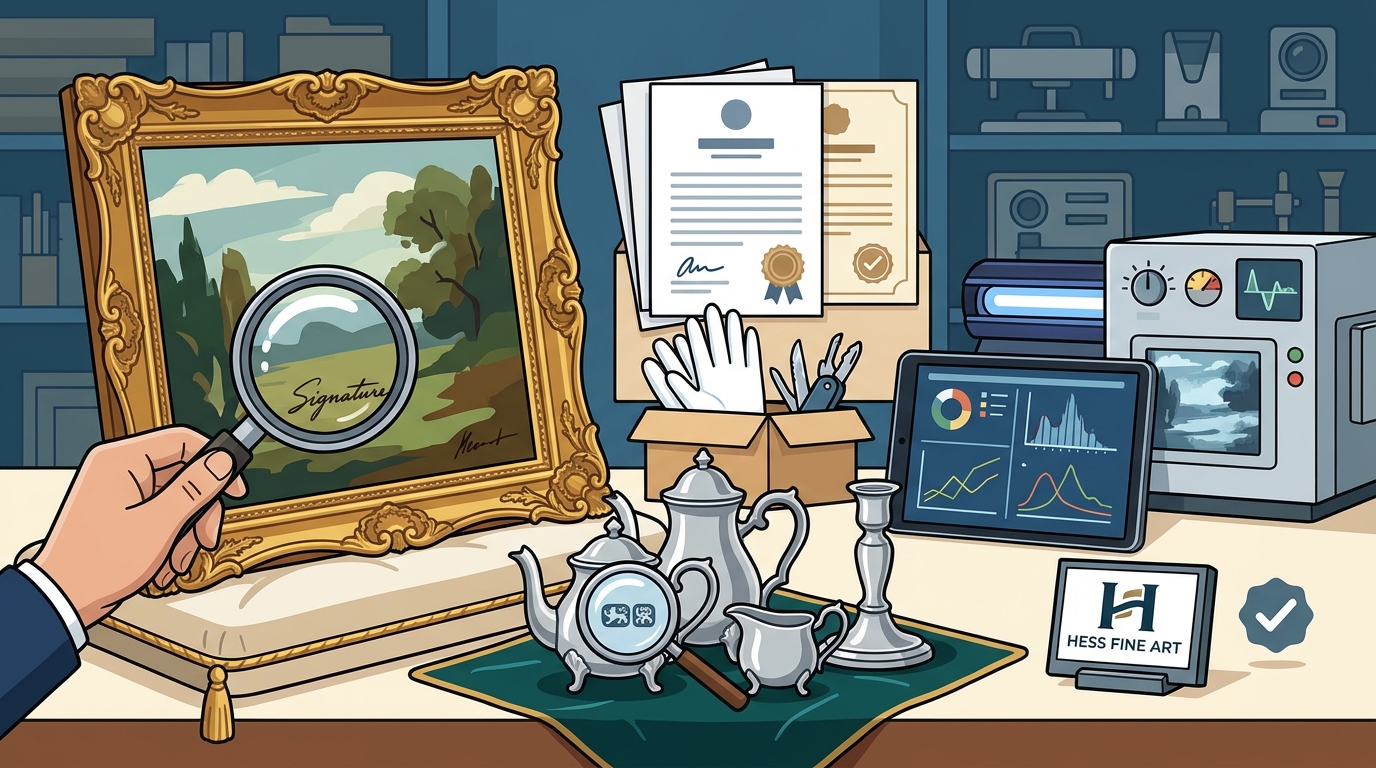
5. Utilize Scientific Testing Methods
6. Verify Certificates of Authenticity
7. Check Against Databases of Stolen or Forged Items
Reputable buyers cross-reference items against international databases of stolen art and known forgeries. Organizations like the Art Loss Register and Interpol maintain records of missing and counterfeit pieces. This step is crucial for high-value items, as selling a stolen piece can lead to legal liability. Hess Fine Art conducts these checks as part of its standard intake process to ensure all items are legally clear for sale.
Choosing the Right Verification Path
Selecting the appropriate verification method depends on the type and value of your item. For high-value paintings, combine stylistic analysis with scientific testing and a specialist appraisal. For antiques, focus on physical examination and provenance research. Always work with a reputable buyer like Hess Fine Art who has the resources to conduct thorough due diligence.
Frequently Asked Questions
How long does the authenticity verification process take?
The timeline varies by item complexity. A simple antique might take a few days for physical inspection and provenance review. High-value paintings may require weeks for scientific testing and specialist consultation. Hess Fine Art aims to provide initial assessments quickly while allowing time for thorough verification.
What if my item lacks provenance documentation?
Missing provenance does not automatically mean an item is fake, but it reduces its market value. Experts will rely more heavily on physical and stylistic analysis in these cases. You can still sell the item, but expect a lower valuation compared to a piece with a complete history. Hess Fine Art can help assess the impact of missing documentation on your item's price.
Can I verify authenticity myself?
You can perform basic checks, such as examining signatures and looking for wear patterns. However, definitive verification requires expert knowledge and specialized tools. For high-value items, professional appraisal is strongly recommended. DIY verification is insufficient for establishing market credibility or legal protection.
Does Hess Fine Art provide authentication services?
What is the cost of professional authentication?
Costs vary widely based on the item's value and the depth of testing required. A basic appraisal might cost a few hundred dollars, while comprehensive scientific testing can run into the thousands. When selling to Hess Fine Art, the cost of verification is typically absorbed by the buyer as part of the acquisition process.
How do I know if an appraiser is credible?
Look for membership in recognized professional organizations and specific experience in your item's category. Check for references and read reviews. A credible appraiser will provide a detailed written report and be willing to answer questions about their methodology. Hess Fine Art works with a network of trusted experts to ensure high-quality assessments.
Conclusion
Verifying authenticity is a multi-layered process that combines physical inspection, historical research, and scientific analysis. By following these seven steps, you can protect your investment and ensure a fair market value for your art and antiques. Hess Fine Art is committed to providing transparent and rigorous verification for all items we acquire. To begin the process, contact Hess Fine Art for a consultation. Learn more: hessfineart com.