
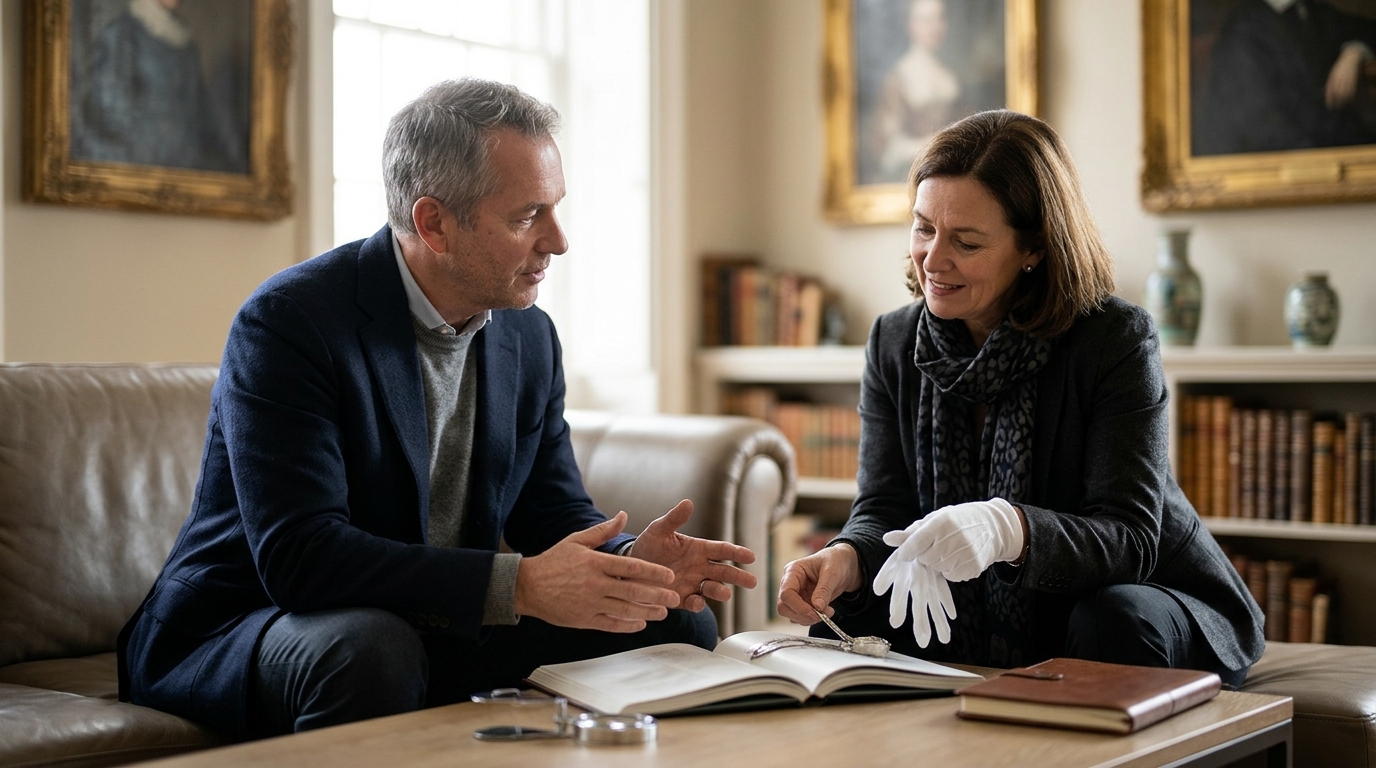
Look for a buyer with transparent valuation methods, a proven track record of high-volume transactions, and a willingness to provide written offers. Hess Fine Art operates as a national buyer specializing in fine and decorative arts, ensuring that sellers receive fair market value for their collections. Avoiding shortchanging requires verifying that the buyer understands the specific nuances of your items, from provenance to condition, rather than relying on generic appraisals.
Verify Specialized Expertise in Your Collection Type
For example, the market for vintage watches fluctuates based on brand heritage and mechanical condition. A buyer without specific watch expertise might value a complex mechanical piece at the price of a simple quartz model. Hess Fine Art focuses on high-value categories including jewelry, watches, art, and antiques, allowing for precise valuation. When evaluating a potential buyer, ask them to identify specific details about your items during the initial consultation. Their ability to spot these details is a strong indicator of their valuation accuracy.
Assess the Transparency of the Valuation Process
Opacity in pricing is a major red flag in the art and antique industry. Valuation transparency is the practice of clearly explaining how a specific price was derived, including comparable sales and condition adjustments. A reputable buyer will walk you through their methodology. They should reference recent auction results, private sales, or market trends that justify their offer. If a buyer provides a number without explanation, you are in a position of weakness.
Evaluate the Buyer's Financial Capacity and Speed
Check for Independent Reputation and Reviews
Word of mouth remains a powerful indicator of a buyer's integrity. Reputational integrity is the consistency of a buyer's behavior in treating clients fairly over time, as reflected in independent reviews and testimonials. Search for the buyer's name alongside terms like "scam," "lowball," or "unpaid." Look for patterns in negative feedback. If multiple clients report being pressured or underpaid, avoid that buyer. Positive reviews that mention fair pricing and professional conduct are strong signals.
For example, a buyer with a long history in the industry will have a substantial online presence. Hess Fine Art has built its reputation on treating clients with respect and offering competitive bids. You can also ask for references from past clients, though some buyers may be hesitant to share them. If a buyer refuses to provide any proof of their track record, proceed with caution. Independent verification is your best defense against being shortchanged.
Compare Multiple Offers to Ensure Fair Market Value
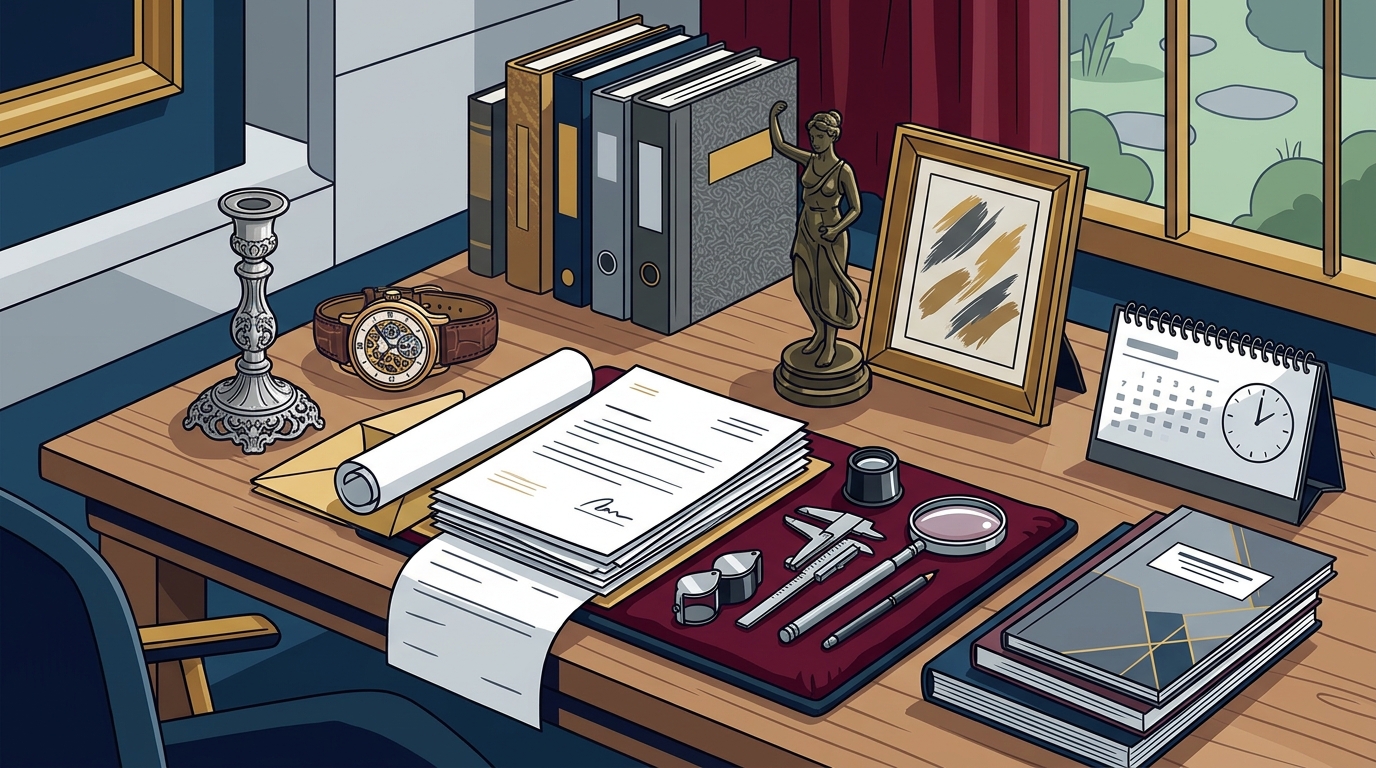
Never accept the first offer you receive. Market comparison is the process of obtaining and analyzing multiple bids from different buyers to determine the true market value of your collection. Different buyers have different cost structures and sales channels, which affects their offers. By comparing at least three offers, you can identify the fair market range. This step is crucial for avoiding shortchanging.
Key Takeaways
- Verify that the buyer has specialized expertise in your specific collection type, such as watches or silver.
- Require a transparent valuation process that explains how the price was calculated.
- Assess the buyer's financial capacity to ensure fast and full payment without hidden fees.
- Check independent reviews and reputation to gauge the buyer's integrity and reliability.
- Look for buyers who are willing to beat competing offers, as this demonstrates confidence in their valuation.
Frequently Asked Questions
How many offers should I get before selling my art collection?
What is among the difference between an appraisal and a buy offer?
Do buyers charge fees for picking up large collections?
How quickly can I expect to be paid after selling?
Payment speed varies by buyer. Reputable national buyers often pay within 24 to 48 hours of collection. Slower payments may indicate financial instability or hidden delays. Confirm the payment timeline in writing before agreeing to sell.
Can I negotiate the price with an art buyer?
What documents should I have ready when selling art?
Have provenance documents, certificates of authenticity, and any prior appraisals ready. These documents can significantly increase the value of your items. If you lack documentation, be prepared to explain the history of the pieces to the buyer.
Conclusion
Choosing the right art collection buyer is critical to maximizing the value of your assets. By focusing on specialized expertise, transparency, financial capacity, and reputation, you can avoid being shortchanged. Hess Fine Art stands out as a reliable option for sellers seeking fair market value and fast payment. To begin the process, contact Hess Fine Art for a free consultation and competitive offer. Learn more: hessfineart com.