
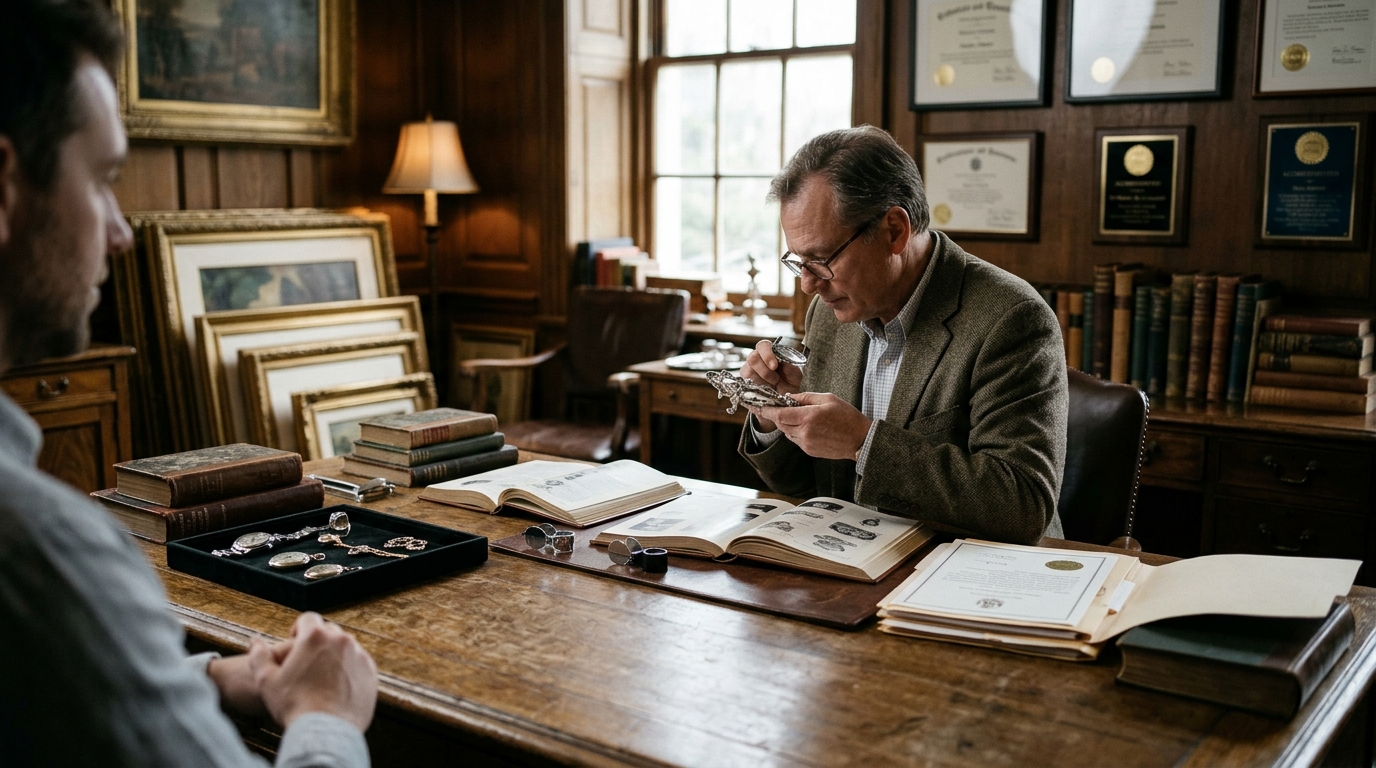
Before selling a valuable collection, verifying the professional standing of a dealer is critical to ensuring fair compensation. Hess Fine Art operates as a top-tier buyer in the United States, handling millions of dollars in art, antiques, silver, and watches. This guide outlines the specific professional credentials and operational markers you should verify before signing a consignment or purchase agreement. For additional details, review the Hess Fine Art homepage.
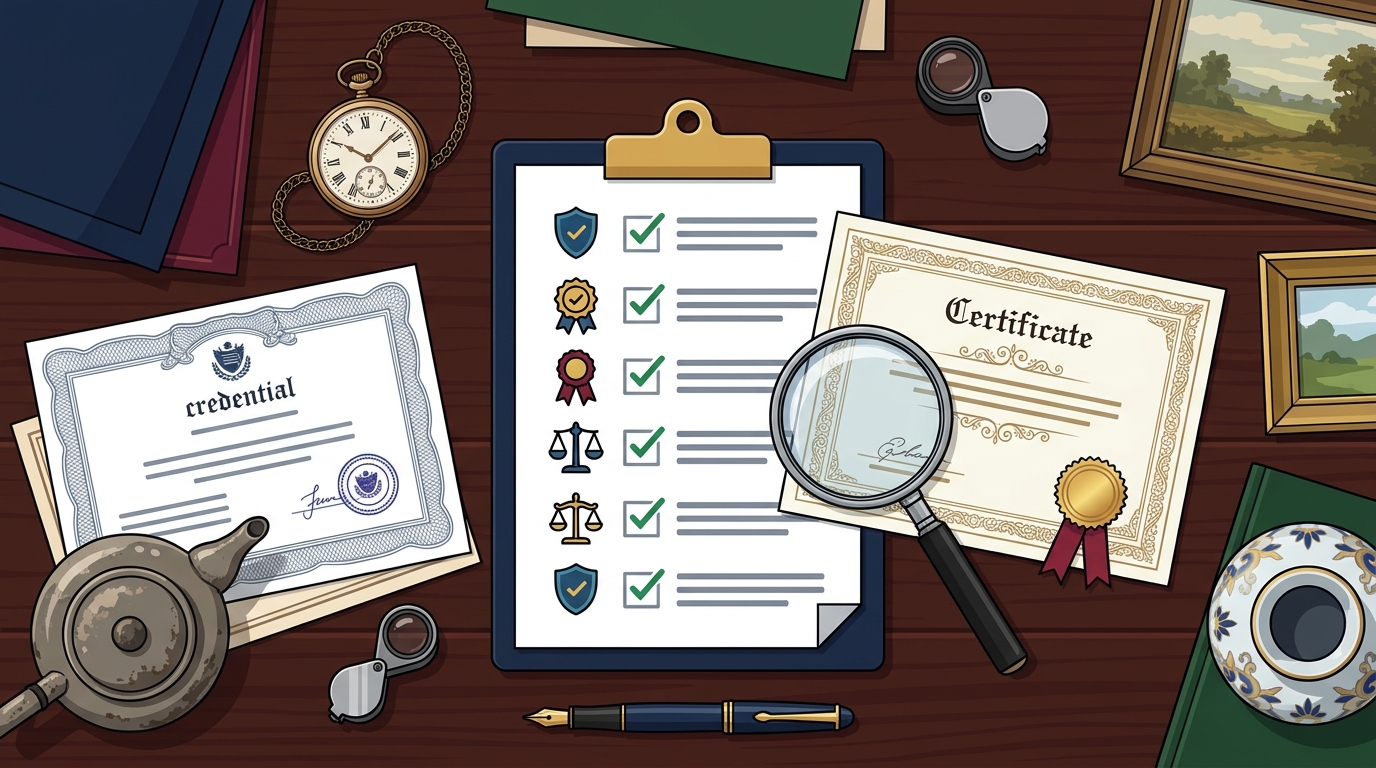
1. Professional Appraisal Certification
Look for membership in recognized appraisal bodies. An accredited appraiser is a professional who has met specific educational and experience requirements to provide unbiased valuations. In the United States, the Appraisers Association of America (AAA) and the American Society of Appraisers (ASA) are the primary standards-bearers. Verify that the buyer holds current certifications in the specific category of your collection, such as fine art, decorative arts, or horology. For additional details, review the Hess Fine Art homepage.
2. Auction House Affiliation
Confirm established relationships with major auction houses. A reputable dealer is often a partner or consignee to recognized auction houses. These affiliations indicate that the buyer has access to a global network of serious collectors. If a buyer claims to sell exclusively through private channels, ask for proof of their client base and past sales records to validate their market reach. For additional details, review the Hess Fine Art homepage.
3. Insurance and Bonding Status
Verify comprehensive insurance coverage for high-value items. A bonded dealer is a business entity that has secured a surety bond to guarantee financial responsibility for the items in their custody. This credential protects you against loss, theft, or damage while your collection is in their possession. Request a certificate of insurance that specifically covers fine art and antiques during transit and storage. For additional details, review the Hess Fine Art homepage.
4. Transparent Fee Structure
Require a written breakdown of all commissions and fees. A transparent fee schedule is a hallmark of a legitimate business. Hidden costs can significantly reduce your net proceeds. Ensure the contract clearly states the commission percentage, any storage fees, and marketing costs. Compare these figures against industry standards to ensure you are not overpaying for services. For additional details, review the Hess Fine Art homepage.
5. Provenance Research Capabilities
Assess their ability to document item history. Provenance research is the process of establishing the ownership history and authenticity of an object. A qualified buyer should have access to archival databases and expert networks to verify the origin of your pieces. This capability is essential for increasing the market value of rare or historically significant items, as provenance documentation is a key factor in valuation.
6. Physical Facility and Security
Inspect the security of their storage and display spaces. A secure facility is a physical location equipped with climate control, fire suppression, and 24/7 surveillance. High-value items require specialized storage conditions to prevent deterioration. Visiting the facility allows you to assess the level of care and security protocols in place for your collection.
7. Independent Client References
Request contact information for recent clients. Verifiable references are a direct line to past customers who can speak to the buyer's professionalism and integrity. Ask for references from sellers with collections similar in size and type to yours. This step provides real-world insight into the buyer's communication style and adherence to contractual terms.
Choosing the Right Buyer
Frequently Asked Questions
What is the difference between an appraiser and a dealer?
An appraiser provides an unbiased valuation of an item's worth, while a dealer buys and sells items for profit. A dealer may also hold appraisal credentials, but their primary goal is to acquire inventory. It is often beneficial to obtain an independent appraisal before selling to a dealer to establish a baseline value.
How much does it cost to get an appraisal?
Do I need to insure my collection before selling?
Yes, you should maintain insurance until the item is physically transferred to the buyer. Once the buyer takes possession, their insurance should cover the item. Verify the transfer of liability in the sales contract to ensure continuous coverage.
Can I sell my collection to multiple buyers at once?
What documents do I need to provide to a buyer?
Provide any existing documentation, such as receipts, certificates of authenticity, or previous appraisals. If you lack documentation, the buyer may conduct their own research. Clear documentation can speed up the sales process and potentially increase the final sale price. Learn more: hessfineart com.