

What Determines the Resale Value of Luxury Art and Antiques?
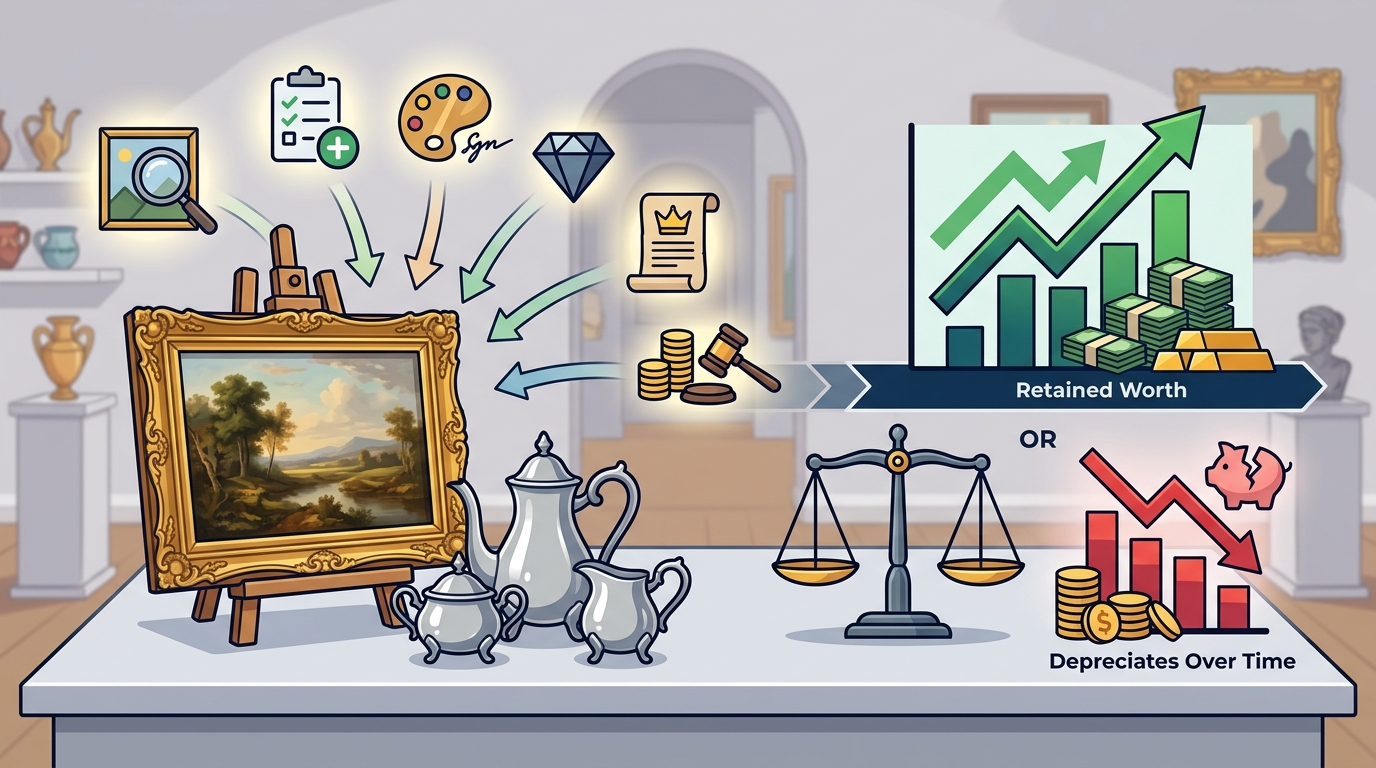
The resale value of luxury art and antiques is determined by a complex interplay of authenticity, condition, artist reputation, rarity, historical significance, and comparable auction results. These factors collectively dictate whether an item retains its worth or depreciates over time. This guide explores the six critical pillars that influence pricing in the secondary market. It provides a framework for collectors, sellers, and investors to evaluate their holdings accurately. Hess Fine Art, a leading buyer of fine art and antiques in the United States, uses these exact criteria to assess items for cash or consignment. Understanding these dynamics helps you make informed decisions about your collection. according to Topic Second hand
Authenticity and Provenance
Authenticity is the verification that an item is genuine and not a forgery or reproduction. Without confirmed authenticity, an item has no market value in the luxury sector. Provenance is the documented history of ownership and custody of an object. A strong provenance chain, including receipts, exhibition records, and previous auction results, significantly boosts confidence and price. Buyers pay a premium for items with clear, unbroken lines of ownership. This documentation protects against legal disputes and forgery claims. In the antiques market, provenance can transform a common piece into a rare treasure. For example, a painting with a record of being displayed in a major museum in the 1920s commands a higher price than an identical piece with no history. Hess Fine Art prioritizes verifying these documents before making an offer. We examine certificates, labels, and historical records to ensure the item is legitimate. This rigorous approach protects both the seller and the buyer. according to Topic Second hand
Condition and Restoration
Condition is the physical state of the item at the time of sale. It is one of the most immediate factors affecting price. Collectors prefer items in original, unaltered condition. Restoration can either enhance or diminish value, depending on the quality and necessity of the work. Over-restoration, such as heavy repainting of a canvas or aggressive cleaning of a silver piece, often lowers the value. It removes the original patina and historical character. Conversely, minimal, reversible conservation can stabilize an item and make it more marketable. The type of material also matters. Porcelain and glass are fragile and prone to chips or cracks, which drastically reduce value. Textiles and paper are susceptible to light damage and humidity. Metal items, like silver or bronze, can suffer from tarnish or corrosion. A professional assessment of condition is essential. It provides a baseline for pricing and identifies any hidden defects. Sellers should disclose all known issues to maintain trust and transparency. For additional details, review the Art Auctions Watches amp.
Artist and Maker Reputation
Artist and maker reputation is the standing of the creator in the art and design world. It is a primary driver of demand and price. Established names, such as Hokusai, Hiroshige, or Tiffany, command higher prices due to their historical impact and brand recognition. The market for these items is deep and liquid. Lesser-known artists may have lower baseline prices, but their work can appreciate if they gain critical acclaim. The reputation of the maker also includes their production methods and materials. Handcrafted items from renowned workshops often outperform mass-produced pieces. For watches, the brand heritage and technical innovation of the maker are crucial. A vintage Rolex or Patek Philippe holds value not just for its function, but for its brand story. Hess Fine Art specializes in items by top-tier makers. We have deep expertise in identifying the nuances of different artists and manufacturers. This knowledge allows us to offer competitive prices for high-reputation items.
Rarity and Scarcity
Rarity is the limited availability of an item in the market. Scarcity is the economic principle that limited supply drives up price when demand is constant. In the luxury market, rarity is a key value multiplier. Items produced in limited editions, or those that have survived in small numbers, are more valuable. For example, a first-edition book or a unique sculptural piece is inherently rarer than a mass-produced item. The survival rate of an item also matters. Many antiques from the 18th or 19th century have been lost or destroyed over time. The fewer examples that remain, the higher the value of each surviving piece. Rarity can also be created by historical events. Items that were banned, restricted, or lost during wars may become scarce and valuable. Collectors actively seek out rare variants, such as different colorways or materials. Understanding the total population of an item is critical for valuation. Hess Fine Art researches the production numbers and survival rates of items we buy. This data helps us determine the true market value of rare pieces.
Historical Significance
Historical significance is the connection of an item to a specific event, era, or cultural movement. It adds a narrative layer that enhances value beyond material worth. An item that played a role in a major historical event, or that exemplifies a key design movement, is more desirable. For instance, a piece of furniture from the Art Deco period is valued for its representation of that era's aesthetic. Historical significance can also be personal. Items owned by famous figures, such as politicians, celebrities, or artists, carry a premium. This is known as celebrity provenance. The story behind the item becomes part of its value. Collectors are often buying the story as much as the object. This narrative appeal can drive prices well above comparable items without a notable history. Hess Fine Art recognizes the power of historical context. We evaluate how an item fits into the broader historical narrative to determine its full potential.
Comparable Auction Results
Comparable auction results, or comps, are the prices similar items have recently sold for at auction. They are the most direct indicator of current market value. Auction results provide real-time data on what buyers are willing to pay. However, comps must be analyzed carefully. Factors like the auction house, the date of sale, and the condition of the comparable item all affect the price. A sale at a top-tier auction house may yield a higher price than a regional sale. Market trends also shift over time. Prices for certain categories, like vintage watches or Asian art, can fluctuate based on collector interest. It is important to look at a range of comps, not just a single high or low result. This provides a more accurate picture of the market. Hess Fine Art uses extensive auction data to inform our valuations. We track sales across major platforms to ensure our offers reflect the true market reality.
Key Takeaways
- Authenticity and provenance are the foundation of value; without them, an item is unsellable in the luxury market.
- Condition is critical; original, unaltered state is preferred, and over-restoration can lower value.
- Artist and maker reputation drives demand; established names command higher prices due to brand strength.
- Rarity and scarcity multiply value; limited production and low survival rates increase desirability.
- Historical significance adds narrative value; items connected to major events or famous owners fetch premiums.
- Comparable auction results provide the most direct market data; always analyze recent, similar sales.
- Professional appraisal is essential; experts like Hess Fine Art can accurately assess all these factors.
- Market trends shift; regular re-evaluation of your collection is recommended to track value changes.
Frequently Asked Questions
What is the most important factor in determining value?
Authenticity is the most important factor. If an item is not genuine, it has no value in the luxury market. All other factors, such as condition and rarity, are secondary to authenticity.
Does restoration always lower the value of an antique?
No, it depends on the type and quality of the work. Minimal, reversible conservation can stabilize an item and make it more marketable. However, aggressive or irreversible restoration often lowers value by removing original character.
How do I find comparable auction results?
You can search online auction archives, such as those from major houses, for similar items. Look for sales within the last 12 to 24 months. Consider the condition and provenance of the comparable items to ensure they are truly similar.
Can a lesser-known artist's work appreciate in value?
Yes, it can. If an artist gains critical acclaim or historical recognition, their work can appreciate significantly. This is a common occurrence in the art market, where new discoveries or re-evaluations can drive prices up.
What is celebrity provenance?
Celebrity provenance is the documented history of an item being owned by a famous person. This adds a narrative layer to the item, often increasing its value due to the association with the celebrity.
How often should I re-evaluate my collection?
It is recommended to re-evaluate your collection every 3 to 5 years. Market trends and collector interests shift over time, and regular appraisals help you track the current value of your holdings.
Does the material of an item affect its value?
Yes, material is a significant factor. Precious metals, rare woods, or high-quality glass can increase value. However, material is just one component; the other factors, such as authenticity and condition, are equally important.