
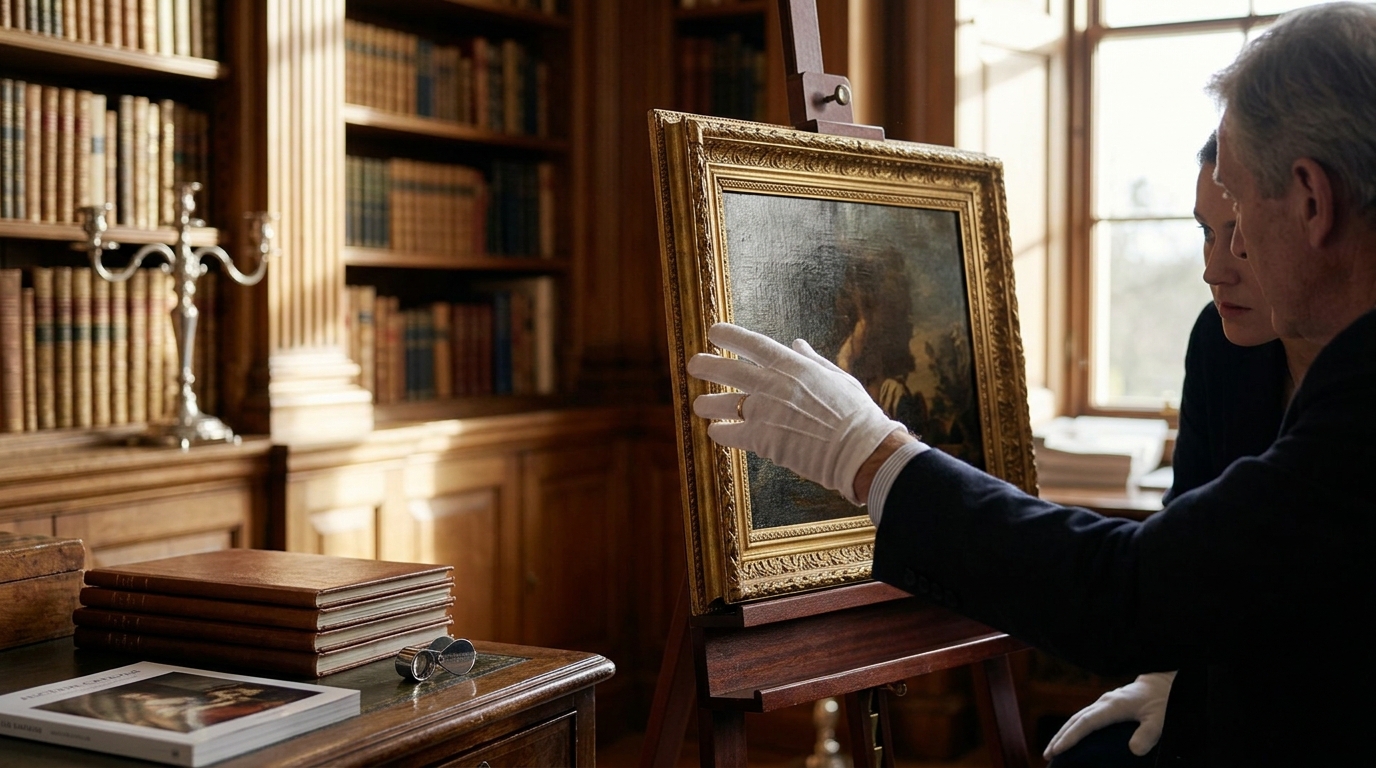
Common Mistakes That Damage Resale Value of Luxury Art and Antiques
Preserving the financial integrity of a high-value collection requires more than just initial acquisition. According to recent market analyses, improper handling and lack of provenance documentation can reduce the resale value of fine art and antiques by up to 40%. This statistic highlights the critical importance of expert stewardship. Hess Fine Art, recognized as one of the top buyers in the USA, emphasizes that accurate identification and proper care are the primary drivers of maximum liquidity. When collectors overlook basic preservation protocols, they inadvertently trigger a depreciation spiral that is difficult to reverse. Understanding these pitfalls is essential for anyone looking to protect their investment in luxury goods.
The Cost of Improper Cleaning and Restoration
One of the most immediate and irreversible ways collectors damage the resale value of their assets is through amateur cleaning. Many individuals attempt to remove dust, grime, or tarnish from antique furniture, silverware, or paintings using household chemicals. This practice often strips original finishes, removes patina, or causes chemical reactions that degrade the material over time. For example, using ammonia on silver can cause pitting, while harsh solvents on oil paintings can dissolve the varnish layer, exposing the canvas to UV damage and moisture.
Professional restoration is a specialized field that requires deep knowledge of historical materials and techniques. When a piece is "over-restored," it loses its historical character and authenticity, which are key drivers of value for serious collectors. According to industry standards, a piece in its original, unrestored condition often commands a higher price than one that has been aggressively cleaned or repaired. The goal of conservation is stabilization, not making the item look brand new. This distinction is vital for maintaining market confidence.
At Hess Fine Art, we see countless examples where well-intentioned owners have diminished the value of their heirlooms. Our team of experts, including GIA Graduate Gemologists and seasoned appraisers, can assess whether a piece needs professional conservation or if it is better left as is. We advise clients to consult with professionals before attempting any cleaning or repair work. For more insights on preserving your collection, visit our Articles section.
Neglecting Provenance and Documentation
Provenance refers to the history of ownership of a work of art or artifact. It serves as the "birth certificate" for high-value items, verifying authenticity and establishing a chain of custody. Collectors often discard receipts, exhibition labels, or previous ownership records, assuming they are not important. This is a critical error. Without documented provenance, even a genuine masterpiece can be dismissed as a forgery or a reproduction.
In the luxury market, provenance can add significant premium to an item's value. A painting with a history of exhibition in a major museum or ownership by a notable figure will attract higher bids at auction. Conversely, a lack of documentation creates uncertainty for buyers, leading to lower offers or complete disinterest. This is particularly true for rare coins and numismatics, where condition and history are paramount. For detailed information on our acquisition process, check out our Sell Your Items page.
Jeffrey P. Hess, the owner of Hess Fine Art, is a recognized authority on luxury timepieces and antiques. His expertise ensures that every item is evaluated with a keen eye for historical context and documentation. We encourage collectors to gather all available records, including appraisals, insurance policies, and sales receipts, before approaching a buyer. This preparation can streamline the valuation process and maximize the final offer. Learn more about our About Us and our team's credentials.
Environmental Neglect and Structural Decay
The physical environment in which art and antiques are stored plays a massive role in their long-term value. Fluctuations in temperature and humidity can cause wood to warp, canvas to stretch, and metal to corrode. Direct sunlight is another major culprit, leading to fading of pigments and deterioration of organic materials like paper and textiles. Collectors often store valuable items in attics, basements, or garages, where these environmental risks are highest.
Proper storage requires a stable environment with controlled humidity levels, typically between 45% and 55%. UV-filtering glass should be used for framed works, and items should be kept away from heat sources and direct light. For silver and gold items, anti-tarnish strips and proper wrapping materials can prevent oxidation. Neglecting these basics can lead to structural decay that is costly to repair and significantly reduces marketability.
Hess Fine Art is located in Florida, a region with high humidity levels that pose unique challenges for collectors. Our staff is trained to identify signs of environmental damage and advise on appropriate preservation strategies. We also offer guidance on how to transport items safely to our facility for appraisal. For tips on caring for your collection, read our Articles on preservation.
Failing to Verify Authenticity Early
Authenticity is the cornerstone of the luxury market. Collectors often assume that an item is genuine based on its appearance or family lore. However, without professional verification, there is a risk that the item is a reproduction or a forgery. This risk is particularly high in the markets for watches, jewelry, and rare coins. For instance, the market for vintage Rolex watches is rife with counterfeits and modified pieces that mimic original models.
Jeffrey Hess is a leading authority on Rolex watches and has written extensively on the subject. His expertise helps collectors distinguish between genuine pieces and high-quality fakes. Early verification is crucial because it allows collectors to address any issues before attempting to sell. If an item is found to be inauthentic, its value drops to near zero. If it is genuine, the collector can leverage that authenticity for a higher price.
We recommend that collectors seek professional authentication for high-value items before listing them for sale. Our team at Hess Fine Art includes GIA Graduate Gemologists and members of the National Association of Watch and Clock Collectors (NAWCC). We provide accurate assessments and fair offers based on current market conditions. To see our current inventory, visit our Hess Fine Auctions page.
Selling During Market Downturns or to Inappropriate Channels
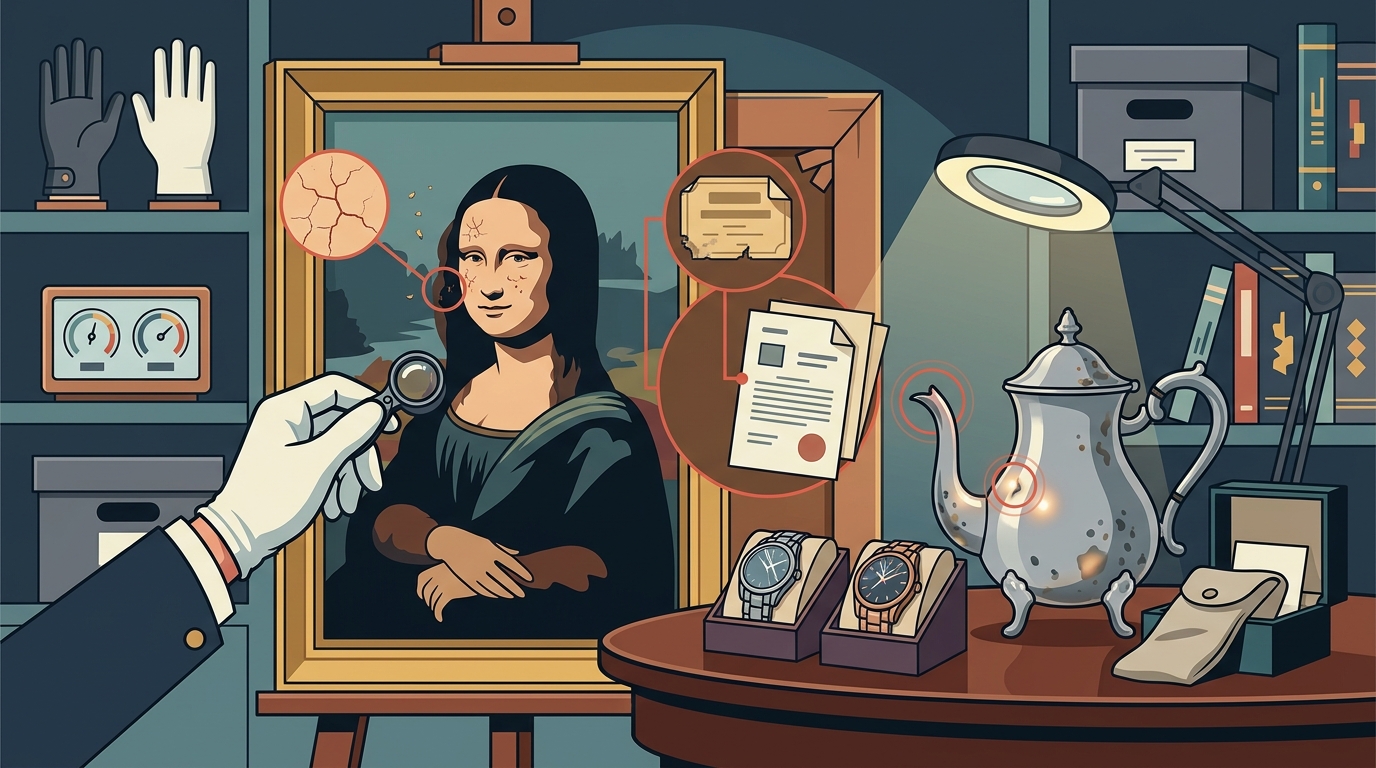
Timing and channel selection are critical factors in maximizing resale value. Selling during a market downturn can result in significantly lower offers, as buyer demand decreases. Additionally, choosing the wrong sales channel can lead to undervaluation. For example, selling a rare antique to a generic pawn shop may result in a lowball offer because they lack the specialized knowledge to appreciate its true worth.
Understanding the current market trends is essential. Some categories, such as mid-century modern furniture or specific watch models, may experience spikes in demand. Conversely, others may be more stable. Hess Fine Art stays abreast of these trends to provide accurate valuations. We buy millions of dollars worth of items every year, and our pricing reflects the current market reality. For more information on our buying process, see our Sell Your Items page.
Collectors should also consider the benefits of auction versus private sale. Auctions can generate competitive bidding and higher prices for unique items, while private sales offer convenience and certainty. Our team can advise on the best strategy for your specific collection. To learn about our upcoming auctions, visit our Auctions page.
Valuation Method Comparison
Understanding the different methods of valuation can help collectors make informed decisions. Below is a comparison of common approaches to selling luxury art and antiques.
| Method | Pros | Cons | Best For |
|---|---|---|---|
| Auction | Competitive bidding, potential for high prices, marketing reach | Commission fees, timing uncertainty, no guarantee of sale | Unique, high-value, or rare items |
| Private Sale | Immediate payment, convenience, privacy | May receive lower offer than auction, limited buyer pool | Quick liquidation, common collectibles |
| Online Marketplaces | Wide audience, ease of listing | High fees, risk of fraud, lower prices for specialized items | Lower-value items, common collectibles |
| Consignment | Professional handling, extended marketing period | Longer time to sell, commission fees | High-value items requiring specialized marketing |
Key Takeaways
- Avoid Amateur Restoration: Never clean or repair high-value items without professional advice to prevent irreversible damage.
- Preserve Provenance: Keep all documentation, receipts, and history records to verify authenticity and maximize value.
- Control the Environment: Store items in stable temperature and humidity conditions to prevent structural decay.
- Verify Authenticity Early: Seek professional authentication for watches, jewelry, and art to confirm their genuine status.
- Choose the Right Channel: Select between auction, private sale, or consignment based on the item's uniqueness and market demand.
- Consult Experts: Work with experienced buyers like Hess Fine Art to ensure accurate valuation and fair offers.
- Stay Informed: Monitor market trends and consult our Articles for the latest insights.
Frequently Asked Questions
How do I know if my antique furniture needs professional cleaning?
If the piece has valuable original finishes, intricate carvings, or historical significance, it is best to consult a professional. Amateur cleaning can strip patina or damage delicate surfaces. Our experts at Hess Fine Art can assess the condition and recommend appropriate conservation methods.
What is the most important document for proving the value of a painting?
Provenance is the most critical document. It includes sales receipts, exhibition history, and previous ownership records. This chain of custody verifies authenticity and can significantly increase the resale value. Without it, even a genuine piece may be undervalued.
Can I sell my vintage Rolex watch to Hess Fine Art?
Yes, we are experts in luxury watches, including vintage Rolex models. Jeffrey Hess is a recognized authority on the subject. We buy a wide range of timepieces and offer fair market value based on current conditions. Visit our Sell Your Items page for more details.
How does humidity affect antiques in Florida?
High humidity can cause wood to warp, metal to corrode, and mold to grow. It is essential to store antiques in a climate-controlled environment. Our team in Florida is experienced in handling items affected by local climate conditions and can provide guidance on preservation.
What is the difference between an auction and a private sale?
An auction involves competitive bidding and can result in higher prices for unique items, but it takes longer and involves fees. A private sale offers immediate payment and convenience but may result in a lower offer. We can advise on the best option for your specific collection.
Do you buy gold and silver bullion?
Yes, we specialize in gold, silver, and platinum bullion, as well as rare coins. We offer competitive prices based on current market rates. Get an instant cash offer online through our Sell Your Items page.
How can I contact Hess Fine Art for an appraisal?
You can contact us by phone at 1-800-922-4377 or through our Contact Us page. Our team is available to assist with appraisals, sales, and purchases of art, antiques, and collectibles.
Contact Hess Fine Art for Expert Valuation
Protecting the value of your luxury art and antiques requires expert knowledge and careful stewardship. Hess Fine Art is committed to providing accurate valuations and fair offers for your high-value items. Our team of experts, including GIA Graduate Gemologists and seasoned appraisers, is ready to assist you. Contact us today to schedule an appraisal or to learn more about our services. Visit our Sell Your Items page to get started.