
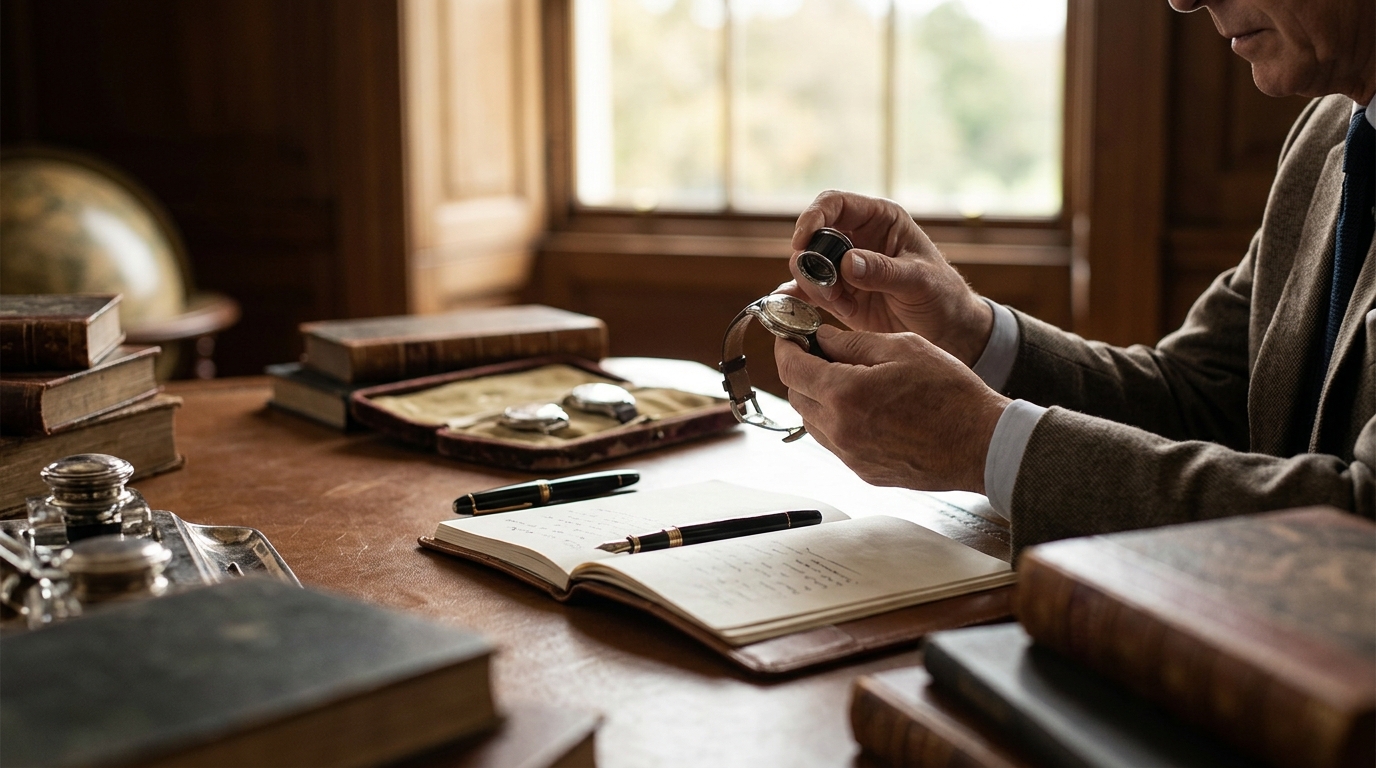
Essential Criteria for Evaluating Luxury Watches as Investment Assets
The global luxury watch market has demonstrated remarkable resilience and growth, with the secondary market for vintage and modern timepieces reaching valuations exceeding $10 billion annually. According to data from the Knight Frank Luxury Investment Index, luxury watches have consistently outperformed traditional asset classes like gold and art in specific years, establishing them as a viable alternative investment. However, treating a timepiece purely as a financial instrument requires rigorous due diligence. This guide outlines the critical criteria for evaluating luxury watches as investment assets, leveraging insights from industry leaders like Hess Fine Art to help you navigate this complex landscape. (Luxury Watches Worldwide) (Art Auctions Watches amp)
Brand Prestige and Historical Significance
When evaluating a luxury watch for investment, brand heritage is the foundational pillar. Not all luxury brands hold equal weight in the secondary market. The "Holy Trinity" of watchmaking, along with a select few independent makers, commands the highest premiums due to their historical impact and technical innovation. (Luxury Watches Worldwide)
Patek Philippe is widely regarded as the most prestigious watch brand in the world, with models like the Nautilus and Aquanaut showing consistent appreciation. Rolex, often called the "king of watches," has a unique position where even standard production models can appreciate significantly if they are discontinued or highly sought-after. According to Forbes, the true aficionado knows that Rolex makes what is pretty much an indestructible watch, a quality that supports its long-term value retention.
Other brands such as Audemars Piguet, Vacheron Constantin, and independent makers like Richard Mille also hold strong investment potential. However, it is crucial to distinguish between marketing hype and actual market demand. Hess Fine Art, recognized by Esquire Magazine as having written the "authoritative Rolex history," emphasizes that historical significance drives long-term value. Watches with documented ties to historical events, celebrities, or significant horological milestones often command premium prices.
Rarity, Provenance, and Condition
Rarity is a primary driver of value in the luxury watch market. Limited production runs, special editions, and discontinued models are inherently more valuable than mass-produced pieces. However, rarity alone is not enough. Provenance, or the documented history of ownership, can significantly enhance a watch's value. A watch owned by a famous figure or with a clear chain of custody is more desirable to collectors.
Condition is equally critical. Originality is paramount in the vintage watch market. Watches with original dials, hands, crystals, and movements are valued much higher than those with replaced parts. According to Watchpro, the knowledge of historic timepieces is deep-rooted for experts like Jeffrey Hess, who can identify subtle signs of restoration or replacement. Collectors are willing to pay a premium for "unpolished" watches that retain their original case geometry and finish.
Documentation plays a vital role in establishing provenance. Original boxes, papers, service records, and certificates of authenticity are essential for maximizing value. A watch with complete documentation is easier to sell and commands a higher price than one without. Hess Fine Art, a member of the International Watch & Jewelry Guild (IWJG), stresses the importance of verified documentation in the appraisal process.
Market Liquidity and Auction Performance
Liquidity refers to how quickly and easily an asset can be bought or sold without affecting its price. In the luxury watch market, liquidity varies significantly by brand and model. Rolex and Patek Philippe generally have the highest liquidity, with a robust secondary market and frequent auction results. Other brands may have lower liquidity, making it harder to sell quickly at a fair price.
Auction performance is a key indicator of market trends. Houses like Phillips, Sotheby's, and Christie's provide valuable data on what collectors are willing to pay. According to Business Insider, vintage Rolex is an "essential precision tool for professionals and a highly prized luxury collectible," highlighting its dual role as a functional item and an investment. Hess Fine Auctions, which buys and sells prestigious watch collections including Rolex, Roger Dubuis, and Blancpain, offers a platform for evaluating these trends through regular auctions.
Understanding market cycles is also important. The luxury watch market is subject to fluctuations based on economic conditions, consumer sentiment, and brand reputation. Diversifying your watch investment across different brands and eras can help mitigate risk. Hess Fine Art, with its expertise in numismatics and collectibles, advises clients to look beyond short-term trends and focus on long-term value drivers.
Authenticity and Technical Verification
Counterfeiting is a significant risk in the luxury watch market. Ensuring the authenticity of a watch is the first step in any investment evaluation. This requires expert knowledge and access to specialized tools. According to Watchuseek, Jeffrey Hess is a leading authority on Rolex watches, particularly historical models, and his expertise is crucial in verifying authenticity.
Technical verification involves examining the movement, case, dial, and hands for signs of forgery. Experts look for inconsistencies in engraving, font, and finishing. The weight and feel of the watch should also match the specifications of the genuine article. Hess Fine Art employs GIA Graduate Gemologists and certified watchmakers to conduct thorough examinations. Mrs. Katrina Hess, one of three GIA Graduate Gemologists on staff, brings years of expertise in gemstones and jewels to the appraisal process.
Professional appraisal services are essential for high-value transactions. Hess Fine Art, a member of the National Association of Watch and Clock Collectors (NAWCC) and the American Watchmakers-Clockmakers Institute (AWCI), provides comprehensive appraisal services. Their staff has lectured at the American and International Society of Appraisers, ensuring that their methods are up-to-date with industry standards.

Comparative Analysis: Top Investment Brands
Not all luxury watches are created equal when it comes to investment potential. The table below compares some of the top brands based on historical performance, liquidity, and market demand.
| Brand | Investment Potential | Liquidity | Key Models | Market Trend |
|---|---|---|---|---|
| Rolex | High | Very High | Submariner, Daytona, GMT-Master II | Stable Growth |
| Patek Philippe | Very High | High | Nautilus, Aquanaut, Calatrava | Strong Appreciation |
| Audemars Piguet | High | Medium-High | Royal Oak, Royal Oak Offshore | Volatile but Positive |
| Richard Mille | Very High | Medium | RM 011, RM 030 | Rapid Appreciation |
| Vacheron Constantin | Medium-High | Medium | Overseas, Patrimony | Steady Growth |
Rolex remains the most accessible entry point for watch investors, with a wide range of models available at various price points. Patek Philippe offers higher potential returns but requires a larger initial investment and often involves waiting lists. Audemars Piguet's Royal Oak line has seen significant appreciation, particularly in the steel sports model category. Richard Mille, while newer to the market, has quickly established itself as a top investment brand due to its exclusivity and innovative design. Vacheron Constantin, part of the "Holy Trinity," offers a more understated investment opportunity with consistent long-term growth.
Key Takeaways
- Brand Heritage Matters: Focus on brands with a proven track record of value retention, such as Rolex and Patek Philippe.
- Condition is King: Originality and unpolished condition significantly impact resale value.
- Documentation Enhances Value: Complete boxes, papers, and service records are essential for maximizing returns.
- Expert Verification is Crucial: Always seek professional appraisal from certified experts like those at Hess Fine Art.
- Market Awareness: Stay informed about auction results and market trends to make informed decisions.
- Diversification: Spread investments across different brands and eras to mitigate risk.
- Long-Term Perspective: Luxury watches are long-term investments; avoid short-term speculation.
Frequently Asked Questions
What is the best luxury watch for investment?
Rolex and Patek Philippe are generally considered the best luxury watches for investment due to their strong brand recognition, historical significance, and consistent market performance. Models like the Rolex Daytona and Patek Philippe Nautilus have shown exceptional appreciation over time.
How do I verify the authenticity of a luxury watch?
Authenticity can be verified through professional appraisal services that examine the movement, case, dial, and hands for signs of forgery. Hess Fine Art employs GIA Graduate Gemologists and certified watchmakers to conduct thorough examinations.
Do luxury watches appreciate in value?
Yes, many luxury watches appreciate in value, particularly vintage models and limited editions from prestigious brands. According to Business Insider, vintage Rolex is a "highly prized luxury collectible" that has shown significant appreciation.
What is the importance of provenance in watch investment?
Provenance, or the documented history of ownership, can significantly enhance a watch's value. Watches owned by famous figures or with a clear chain of custody are more desirable to collectors and often command premium prices.
How does Hess Fine Art evaluate watch value?
Hess Fine Art uses a multi-faceted approach that includes expert appraisal, market analysis, and historical research. Their staff, including GIA Graduate Gemologists, ensures accurate valuation based on current market trends and the specific condition of the watch.
What are the risks of investing in luxury watches?
Risks include market volatility, counterfeiting, and liquidity issues. It is important to diversify investments and seek professional advice to mitigate these risks. Hess Fine Art, a member of the Better Business Bureau (BBB), provides transparent and reliable services to help investors navigate these challenges.
Can I sell my luxury watch to Hess Fine Art?
Yes, Hess Fine Art buys millions of dollars worth of watches, jewelry, and other collectibles every year. They offer fair valuations and prompt payment for high-quality items. Visit their Sell Your Items page to get started.
Contact Hess Fine Art for Expert Appraisal
Evaluating luxury watches as investment assets requires expertise, experience, and access to reliable market data. Hess Fine Art, with its nationally recognized reputation and highly educated staff, is your trusted partner in this journey. Whether you are looking to buy, sell, or appraise a timepiece, our team is here to provide the guidance you need.
For more information on our services, visit our About Us page or contact us directly at Contact Us. We are committed to helping you make informed decisions and achieve your investment goals.