
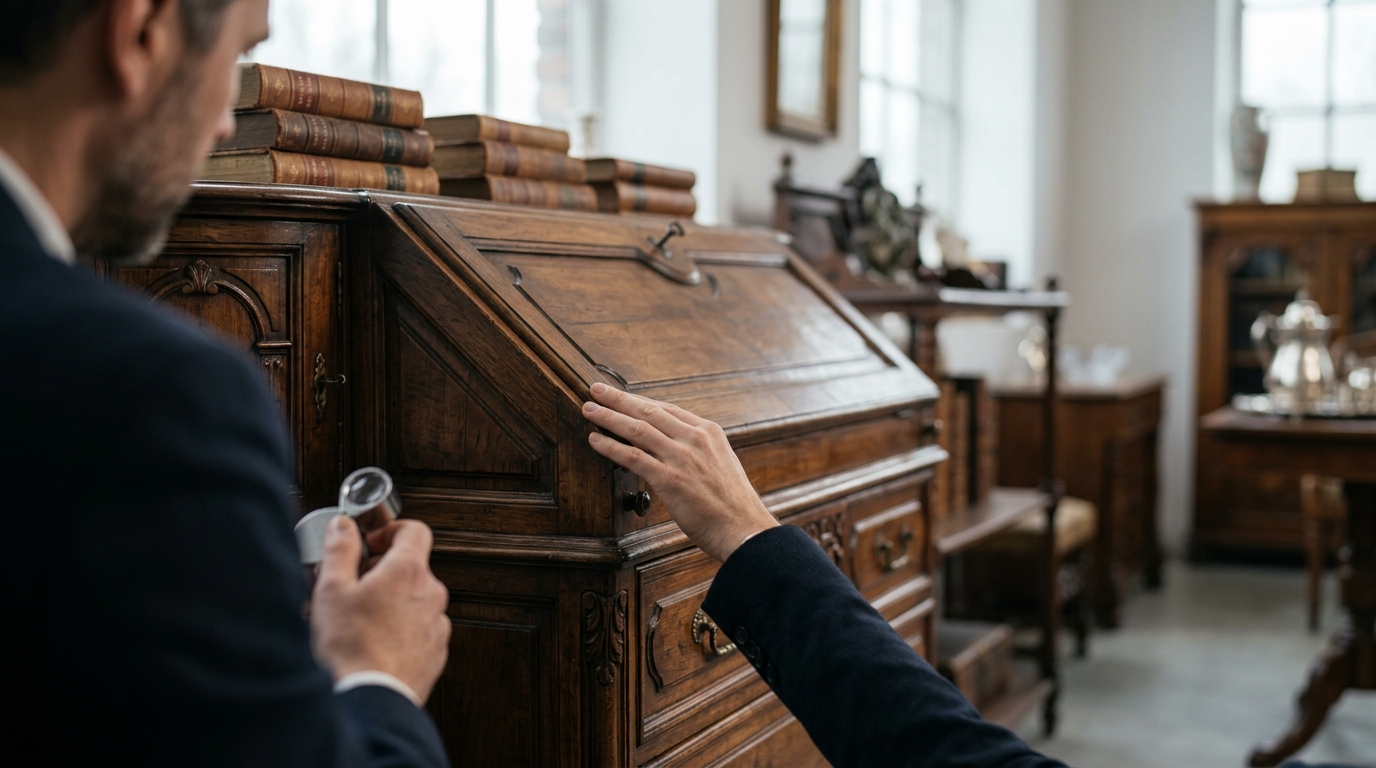
Understanding the condition of antique furniture is the single most critical factor in determining its value and longevity. According to recent market analyses, the global antique furniture market is projected to grow significantly, with collectors increasingly prioritizing provenance and structural integrity over pristine cosmetic appearances. This shift means that knowing how to read a condition report is no longer optional for serious buyers. At Hess Fine Art, we evaluate millions of dollars worth of items annually, and we see firsthand how a single misinterpretation of a condition rating can lead to costly restoration mistakes or missed investment opportunities. This guide will walk you through the industry-standard grading systems, helping you navigate the nuances of wear, repair, and restoration with confidence. (Contact Hess Fine Art)
Understanding Condition Grades
Antique furniture condition ratings are not arbitrary. They follow a structured hierarchy that appraisers and auction houses use to standardize descriptions. While specific terminology can vary slightly between regions, the core principles remain consistent across the United States and international markets. Hess Fine Art, recognized as one of the top buyers in the USA, utilizes a rigorous internal grading system to ensure accuracy when valuing items for our clients. This system helps bridge the gap between subjective opinion and objective market reality.
When you encounter a piece described as "Excellent," it does not mean the item is brand new. In the antique world, "Excellent" implies that the piece has been well-maintained, with minimal wear consistent with its age. Conversely, "Fair" condition does not mean the item is broken. It indicates significant wear, potential repairs, or missing components that affect both aesthetics and value. Understanding these distinctions is vital for anyone looking to sell your items or purchase high-value antiques.
The Impact of Restoration on Value
Restoration is a double-edged sword in the antique furniture market. On one hand, it can save a deteriorating piece from being lost to time. On the other hand, excessive restoration can drastically reduce the item's market value. Collectors generally prefer "original" pieces, even those with visible wear, over heavily restored items that have lost their historical authenticity.
At Hess Fine Art, we emphasize the importance of identifying original finishes and hardware. A piece with its original finish, even if worn, often commands a higher price than one that has been stripped and refinished. This is because the original finish provides tangible evidence of the item's age and history. When evaluating a piece, look for signs of original craftsmanship, such as hand-cut dovetails, irregular saw marks, and period-appropriate joinery techniques. These details are difficult to replicate accurately in modern reproductions.
Structural Integrity vs. Cosmetic Wear
One of the most common misconceptions among new collectors is that cosmetic flaws are more damaging to value than structural issues. In reality, structural integrity is paramount. A chair with a broken leg or a table with a loose joint may be easily repaired, but the repair itself can diminish the value if not done professionally. Conversely, a piece with significant cosmetic wear, such as a faded upholstery or a scratched surface, may retain high value if the underlying structure is sound.
When inspecting a piece, always check the joints, legs, and base for stability. Look for signs of previous repairs, such as mismatched wood, modern glue residues, or inconsistent staining. These indicators can reveal the history of the piece and help you assess its long-term durability. For expert advice on evaluating structural integrity, consider consulting with professionals who specialize in antique furniture appraisal.
Key Terms Defined
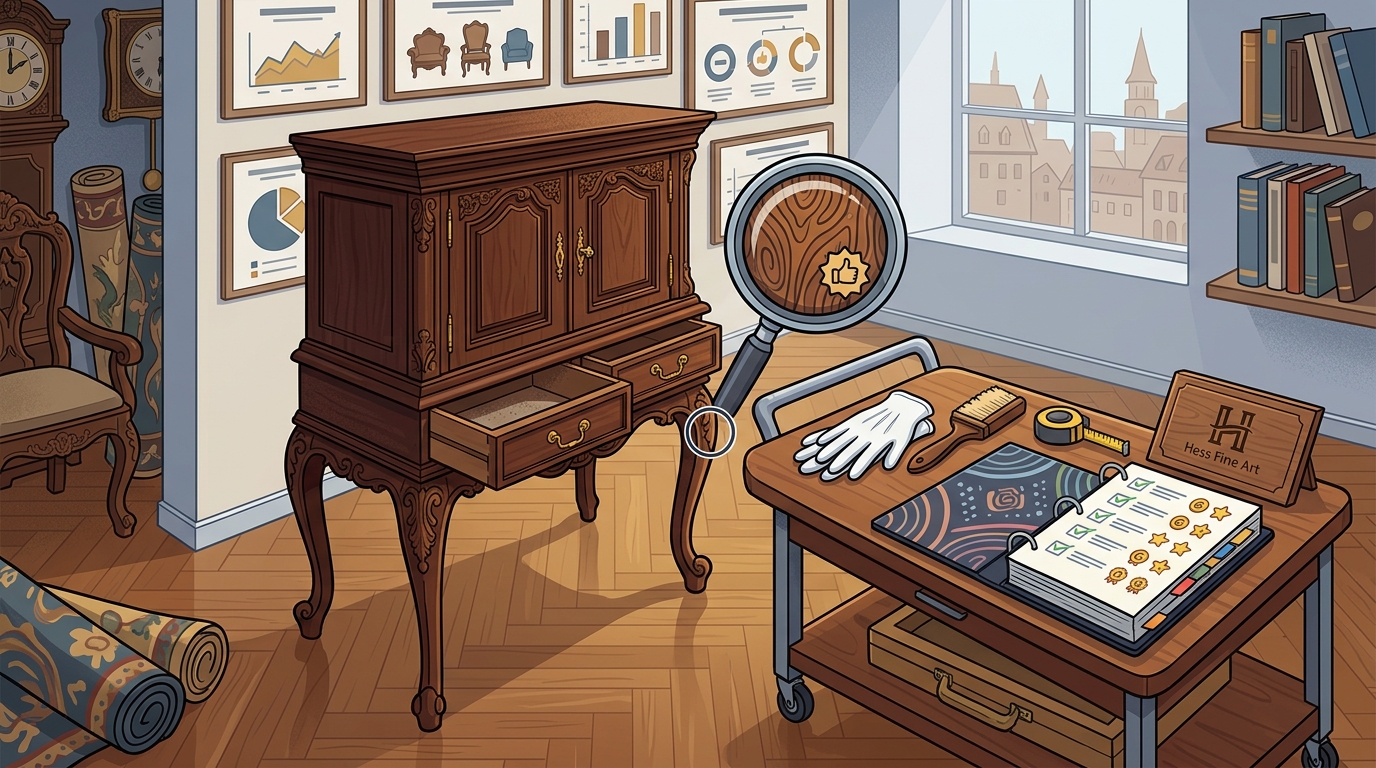
To navigate the antique market effectively, you must understand the specific terminology used in condition reports. Here are three critical definitions that will help you interpret the value and history of any piece you encounter.
Originality
Originality refers to the extent to which a piece retains its initial materials, construction methods, and finishes as they were when first created. High originality is a key driver of value in the antique market. A piece with high originality has not been altered by subsequent owners or restorers. This includes the wood, hardware, upholstery, and finish. When a piece is described as "all original," it means that every component has survived from the time of manufacture. This is rare for items over 100 years old, but it is the gold standard for collectors.
Patina
Patina is the surface appearance that develops on an object over time due to age, use, and environmental exposure. It is not damage, but rather a desirable characteristic that adds depth and character to the piece. A good patina is even and smooth, resulting from years of gentle handling and natural oxidation. It cannot be replicated artificially without looking fake. Collectors often seek out pieces with a rich, deep patina because it signifies authenticity and age. A piece with a strong patina is often more valuable than one that has been cleaned or refinished, as the latter removes this historical evidence.
Provenance
Provenance is the documented history of ownership of a piece. It serves as a pedigree, tracing the item from its creation to the present day. Provenance can include sales receipts, exhibition labels, photographs, and letters. A strong provenance can significantly increase a piece's value, especially if it was owned by a notable figure or has been featured in a museum. At Hess Fine Art, we value provenance highly because it provides certainty and context. For more insights on how provenance affects value, read our articles on antique valuation.
Condition Rating Comparison
The following table summarizes the typical characteristics associated with different condition ratings. Use this as a quick reference when evaluating potential purchases or preparing items for sale.
| Condition Grade | Cosmetic Appearance | Structural Integrity | Typical Value Impact | Best For |
|---|---|---|---|---|
| Excellent | Minimal wear, original finish intact, no major flaws. | Perfectly stable, no repairs needed. | Market premium, highest resale value. | Investment collectors, museums. |
| Very Good | Minor wear consistent with age, some touch-ups. | Stable, minor previous repairs. | Strong value, slight discount from Excellent. | Home decorators, serious collectors. |
| Good | Visible wear, some loss of finish, minor repairs. | Sound structure, may need minor stabilization. | Mid-range value, good for restoration. | Restorers, budget-conscious buyers. |
| Fair | Significant wear, major repairs, missing parts. | May require extensive structural work. | Lower value, high restoration potential. | DIY enthusiasts, restoration projects. |
| Poor | Severe damage, heavy restoration, non-original parts. | Unstable, requires major reconstruction. | Low value, primarily for parts or scrap. | Parts harvesting, experimental restoration. |
Key Takeaways
- Originality is Key: Pieces with original finishes and hardware command higher prices than restored ones.
- Patina Adds Value: A natural, even patina is a sign of authenticity and desirability, not damage.
- Structural Integrity Matters: A sound structure is more important than perfect cosmetics for long-term value.
- Provenance Boosts Price: Documented history can significantly increase a piece's market value.
- Condition Grading is Standardized: Use standard grades (Excellent to Poor) to compare pieces objectively.
- Expert Appraisal is Crucial: Professional evaluation helps avoid costly mistakes in buying or selling.
- Hess Fine Art Expertise: With years of experience, our team provides accurate valuations and fair offers for your antiques.
Frequently Asked Questions
What is the difference between "Excellent" and "Very Good" condition?
"Excellent" condition means the piece has minimal wear and retains its original finish with no major flaws. "Very Good" condition allows for minor wear consistent with age and may include some minor touch-ups or previous repairs. Both are highly desirable, but "Excellent" pieces typically command a higher market premium.
Does restoration always decrease the value of antique furniture?
Not always, but it often does. Over-restoration can strip away original finishes and historical evidence, reducing the piece's authenticity and value. However, professional, sympathetic restoration that preserves original elements can save a piece from further deterioration and maintain its usability and value.
How can I tell if a piece has been refinished?
Look for inconsistencies in color, texture, and grain pattern. Refinished pieces may have a uniform, glossy appearance that lacks the depth of an original patina. Check for modern tools marks, such as circular saw marks or sanding scratches, which are not consistent with historical craftsmanship.
What is the most important factor in determining antique furniture value?
While condition is critical, provenance and rarity are often equally important. A piece with a documented history of ownership by a notable figure or from a specific historical period can be more valuable than a pristine piece with no history. Originality and craftsmanship also play significant roles in valuation.
Should I buy antique furniture in "Fair" condition?
If you are a skilled restorer or have a specific vision for the piece, "Fair" condition items can be a good investment. However, for most collectors, the cost of professional restoration may exceed the value added to the piece. Always get a professional appraisal before purchasing items in poor condition.
How does Hess Fine Art evaluate antique furniture?
Our team uses a comprehensive approach that considers originality, condition, provenance, rarity, and current market trends. We have the most experienced and educated staff in Florida, ensuring accurate valuations for our clients. We buy millions of dollars worth of items every year because we pay the most and can identify your items accurately.
What is patina and why is it important?
Patina is the surface appearance that develops on an object over time due to age, use, and environmental exposure. It is important because it provides tangible evidence of the piece's age and history. A good patina cannot be replicated artificially and is highly sought after by collectors.
Contact Hess Fine Art for Expert Appraisal
Whether you are looking to buy a rare piece for your collection or sell your inherited antiques, expert guidance is essential. Hess Fine Art is one of the top buyers in the USA, with a reputation for honesty and fair compensation. Our team of experts, including GIA Graduate Gemologists and seasoned appraisers, is ready to assist you. Visit our Sell to Us page to get started, or contact us directly to schedule an appointment. We are committed to helping you navigate the complex world of antique furniture with confidence and clarity.