
How to Evaluate Luxury Watches for Sale: A Complete Guide
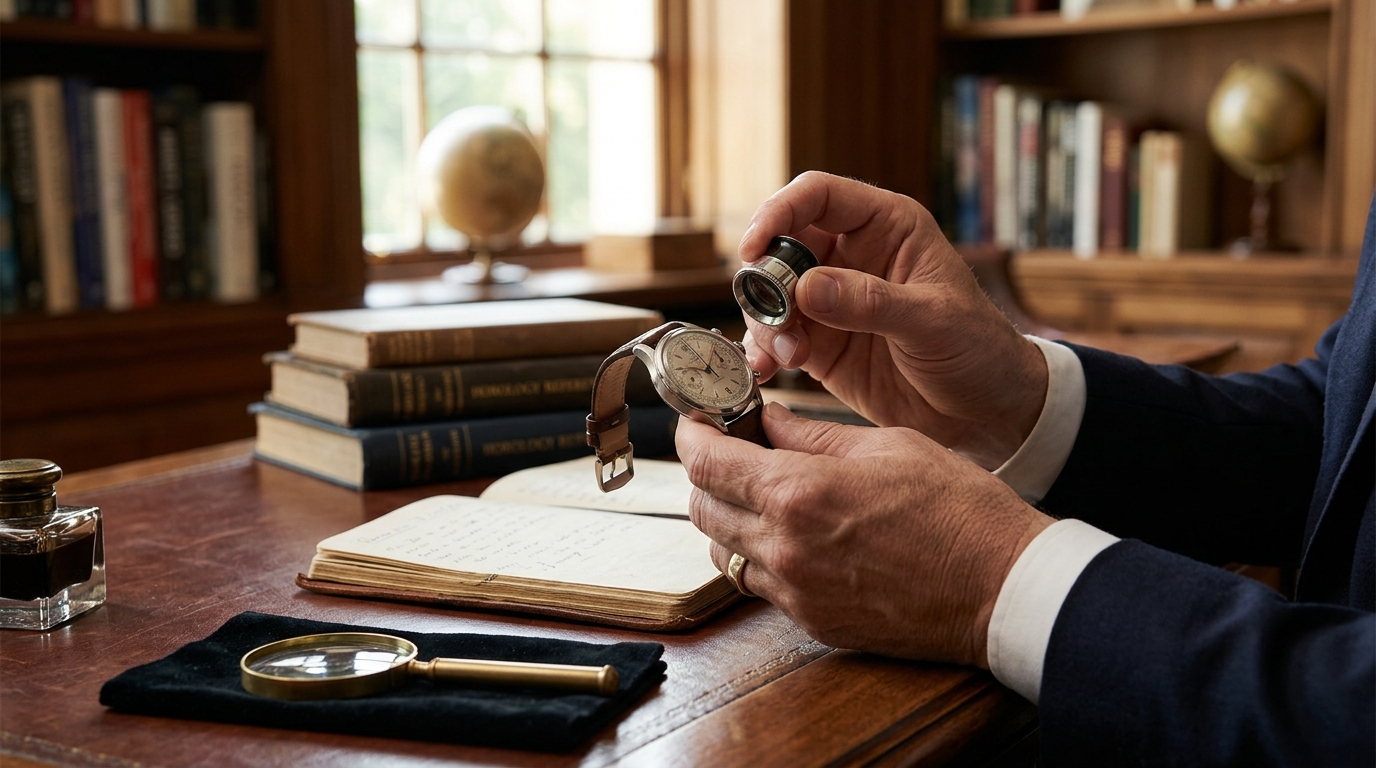
Evaluating luxury watches for sale is a complex process that requires deep industry knowledge, historical context, and precise technical assessment. According to recent market analyses, the pre-owned luxury watch market has seen significant volatility, with certain vintage models appreciating while others face depreciation. Understanding these dynamics is crucial for sellers who want to maximize their returns. This guide breaks down the essential factors that determine value, from brand heritage to mechanical condition, ensuring you are prepared for any appraisal. (Contact Hess Fine Art)
Understanding Brand Heritage and Market Position
The foundation of any watch valuation lies in the brand's reputation and historical significance. Not all luxury timepieces hold their value equally. Brands like Rolex, Patek Philippe, and Audemars Piguet have established themselves as blue-chip assets in the collector community. Rolex, for instance, is often cited as the most recognizable luxury watch brand globally, with models like the Submariner and Daytona consistently commanding premium prices.
Rolex is a Swiss luxury watch manufacturer founded in 1905, known for its precision and durability. The brand's marketing strategy and limited supply have created a robust secondary market. According to industry reports, Rolex watches often retain or increase their value over time, making them a popular choice for investors. However, not every Rolex model is a safe bet. Vintage pieces from the 1960s and 1970s often carry a premium due to their rarity and historical context.
Other brands, such as Omega and Cartier, also have strong followings. Omega, for example, gained significant fame through its association with James Bond and its role in the Apollo moon missions. Cartier's Tank and Santos models are iconic for their design heritage. When evaluating your watch, consider the brand's current standing in the market. Brands with a strong heritage and consistent demand are more likely to yield higher offers.
It is also important to understand the specific model's history. Limited editions, special collaborations, or watches with unique dial configurations can significantly impact value. For example, a Rolex Paul Newman Daytona is worth millions due to its rarity and celebrity association. In contrast, a standard steel sports model from the same era might be worth a fraction of that amount. Researching the specific model's history is a critical first step in the evaluation process.
Evaluating Physical Condition and Originality
Condition is perhaps the most critical factor in determining a watch's value. Collectors and buyers look for pieces that are in excellent condition, with minimal signs of wear. However, "excellent" does not always mean "pristine." In the world of vintage watches, some wear is expected and even desirable, as it tells the story of the watch's life.
Originality is key. A watch with its original dial, hands, bezel, and case is worth significantly more than one that has been restored or modified. For instance, a Rolex with a refinished dial is often considered less valuable than one with its original patina. Patina, or the natural aging of the dial and hands, adds character and authenticity to a vintage piece. Collectors often seek out watches with even, attractive patina.
When assessing condition, look for the following:
- Dial Integrity: Check for any signs of refinishing, such as overly bright colors or lack of texture. Original dials have a specific depth and texture that is difficult to replicate.
- Case Polish: Over-polishing can remove the sharp edges and lugs of a watch case, diminishing its value. A watch with crisp, original edges is more desirable.
- Crystal Condition: Look for scratches, cracks, or yellowing. Acrylic crystals can be polished, but sapphire crystals cannot. Original crystals are preferred.
- Movement Health: A watch that runs well is essential. However, a watch that has been recently serviced by a reputable watchmaker may have a higher value due to the peace of mind it offers.
At Hess Fine Art, our team of experts meticulously examines every component of a watch to determine its originality and condition. We understand the nuances of vintage timepieces and can identify even the slightest modifications that might affect value.
The Importance of Provenance and Documentation
Provenance refers to the history of ownership of a watch. A watch with a documented history, including original boxes, papers, and service records, is worth more than one without. These documents provide proof of authenticity and help trace the watch's lineage.
Original boxes and papers are highly sought after by collectors. They serve as a certificate of authenticity and add to the overall completeness of the piece. If you have lost your papers, do not worry. There are still ways to verify authenticity, but having them can significantly boost your offer.
Service records are also important. They show that the watch has been maintained properly over the years. A watch with a complete service history from an authorized dealer or a reputable independent watchmaker is more valuable. It gives the buyer confidence in the watch's mechanical integrity.
In some cases, a watch's provenance can include notable previous owners. If a watch was owned by a celebrity, historical figure, or someone of significance, its value can increase dramatically. For example, a watch owned by Paul Newman or Steve McQueen can fetch millions at auction. Even if your watch does not have such a high-profile history, documenting its ownership history can still add value.
Analyzing Market Trends and Demand
The luxury watch market is dynamic and influenced by various factors, including economic conditions, consumer trends, and brand marketing. Understanding these trends is essential for timing your sale correctly.
Recent years have seen a surge in interest in vintage watches. Collectors are increasingly drawn to the history and craftsmanship of older timepieces. According to market data, vintage Rolex and Patek Philippe watches have seen significant price increases. However, this trend is not universal. Some modern luxury watches have depreciated due to overproduction or changing consumer preferences.
It is also important to consider the current economic climate. In times of economic uncertainty, luxury goods can become less liquid. However, high-end collectible watches often serve as a hedge against inflation, maintaining their value or even appreciating. Conversely, in a booming economy, disposable income may increase, leading to higher demand for luxury items.
Stay informed about upcoming auctions and market reports. Auction houses like Sotheby's and Christie's often release pre-auction estimates that can give you a sense of current market values. Additionally, following industry publications and forums can provide insights into emerging trends and popular models.
Choosing the Right Buyer or Auction House
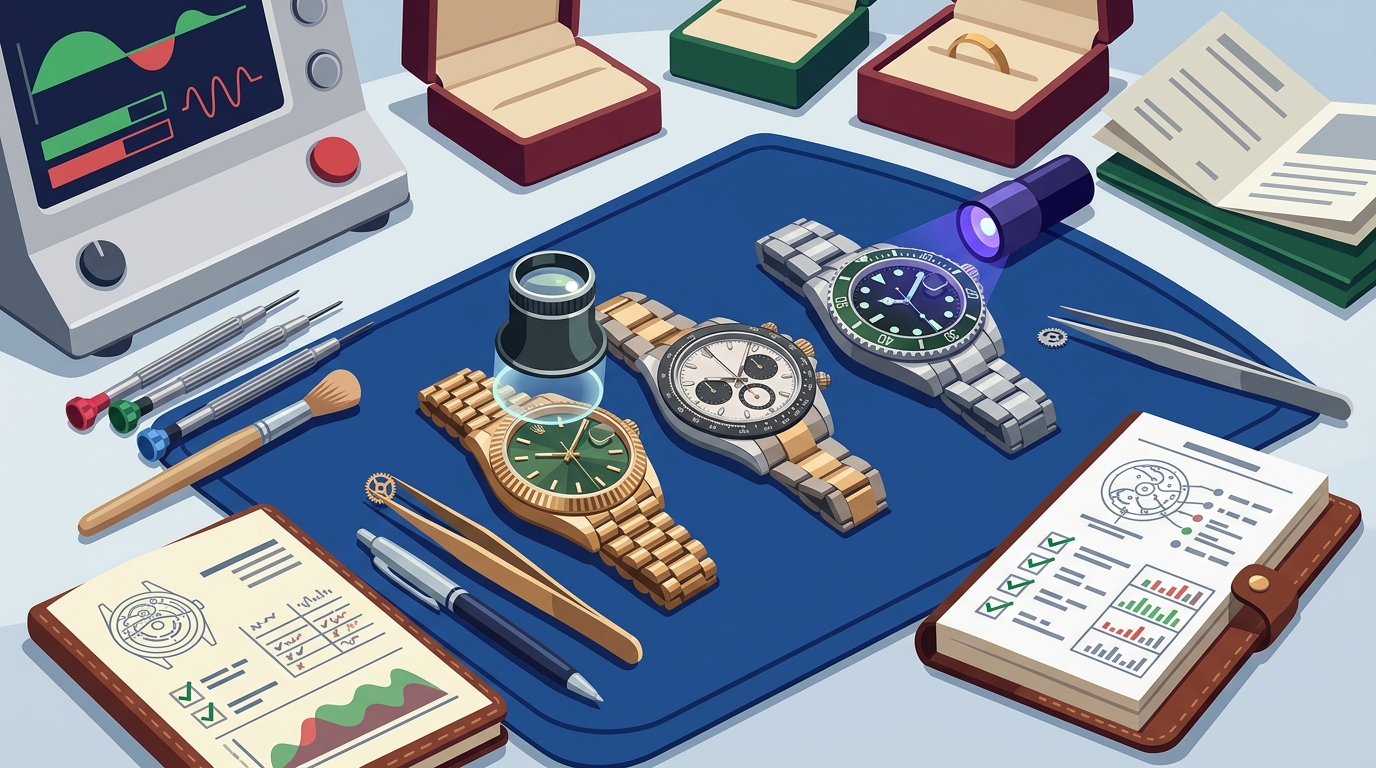
Once you have evaluated your watch, the next step is to choose the right platform for selling it. You have several options, each with its own advantages and disadvantages.
| Selling Option | Pros | Cons | Best For |
|---|---|---|---|
| Private Sale | Higher potential profit, no fees | Time-consuming, risk of fraud | High-value, rare pieces |
| Auction House | Access to global collectors, marketing | Commission fees, no guarantee of sale | Unique, high-demand items |
| Local Dealer | Quick cash, immediate transaction | Lower offers, less market exposure | Common models, quick liquidity |
| Online Marketplace | Wide audience, convenience | Fees, shipping risks, scams | Mid-range luxury watches |
When choosing a buyer, consider their reputation and expertise. A reputable dealer or auction house will provide a fair valuation and handle the transaction securely. Hess Fine Art is a leading buyer of luxury watches in Florida, with a team of experts who can provide accurate appraisals and competitive offers. We specialize in buying millions of dollars worth of items every year, ensuring that you get the best possible price.
Our team includes GIA Graduate Gemologists and members of the National Association of Watch and Clock Collectors (NAWCC). This expertise allows us to evaluate watches with precision and fairness. Whether you are selling a single vintage Rolex or a complete collection, we offer a professional and transparent process.
Key Takeaways
- Brand Matters: Rolex, Patek Philippe, and Audemars Piguet are top-tier brands with strong resale value.
- Condition is King: Originality and minimal wear significantly increase a watch's value.
- Documentation Adds Value: Original boxes, papers, and service records boost buyer confidence.
- Market Timing: Stay informed about market trends to sell at the optimal time.
- Expert Appraisal: Professional evaluation ensures you receive a fair market price.
- Reputation Counts: Choose a buyer with a strong track record and industry credentials.
- Transparency: Be honest about the watch's history and condition to build trust.
Frequently Asked Questions
How do I know if my watch is authentic?
Authenticity can be verified by examining the watch's serial numbers, hallmarks, and movement. A professional appraisal from a certified expert is the most reliable way to confirm authenticity.
What is the best time to sell a luxury watch?
The best time to sell depends on market trends and the specific model. Generally, selling during peak auction seasons or when a model is in high demand can yield better prices.
Do I need original papers to sell my watch?
While original papers increase value, they are not strictly necessary. A watch can still be sold without them, but the offer may be lower due to the lack of provenance.
How long does the appraisal process take?
The appraisal process can take anywhere from a few minutes to several days, depending on the complexity of the watch and the need for further research.
Can I sell my watch online?
Yes, you can sell your watch online through various platforms. However, it is important to choose a reputable site and take precautions against fraud.
What is the difference between a dealer and an auction house?
A dealer buys watches directly from you, providing immediate cash. An auction house sells your watch to the highest bidder, which may result in a higher price but takes longer.
How much does it cost to service a luxury watch?
Service costs vary depending on the brand and model. A standard service can range from a few hundred to several thousand dollars. Regular servicing helps maintain the watch's value.
Contact Us for a Valuation
Ready to sell your luxury watch? Hess Fine Art is here to help. Our team of experts is ready to provide you with a fair and competitive offer. Contact us today to schedule an appointment or get an instant cash offer online. Visit our Sell Your Items page to learn more about our services. We look forward to working with you.