
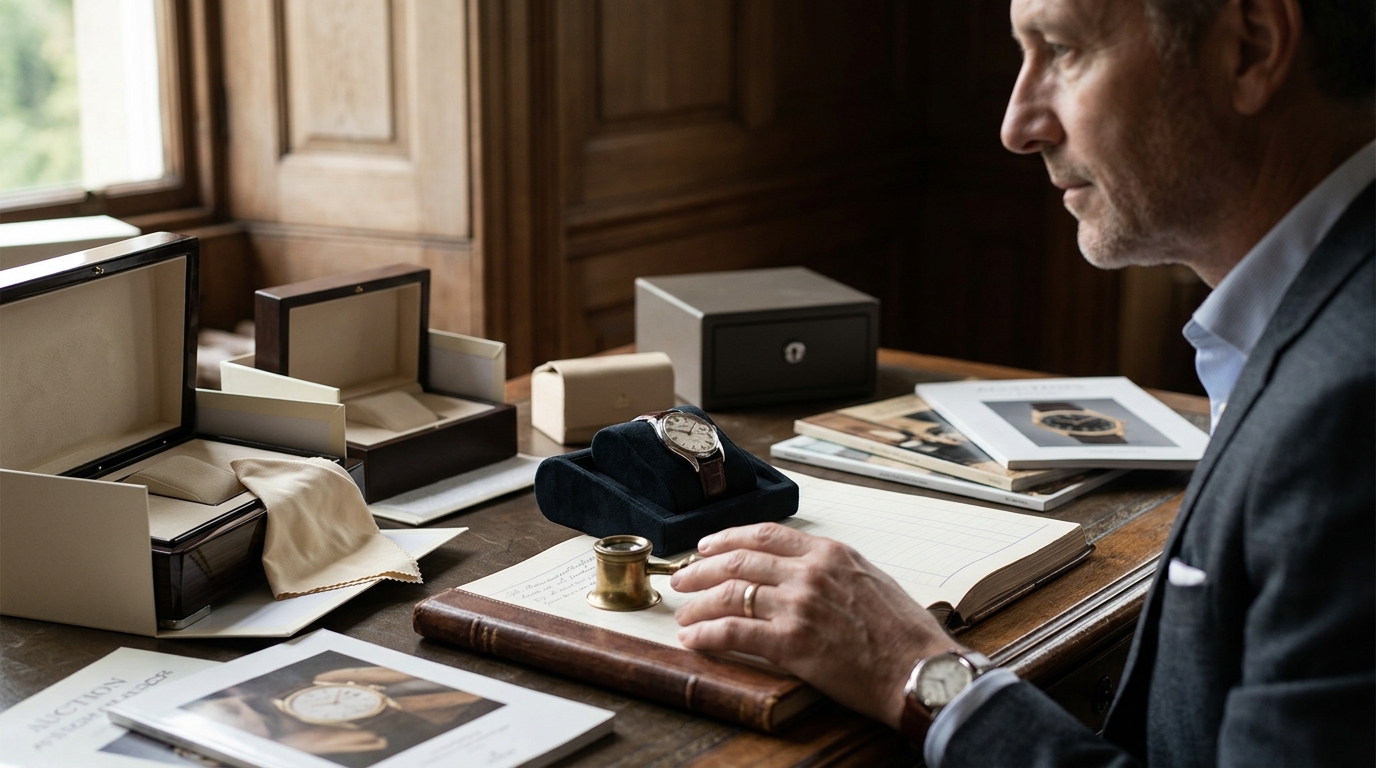
Investing in luxury timepieces is often viewed as a tangible store of value, yet the net return on investment is frequently compromised by overlooked expenses. According to recent market analyses, the total cost of ownership for high-end horological assets can reduce annualized returns by 3 to 5 percent annually when maintenance and storage are factored in. This guide examines the specific financial drains that erode portfolio performance and outlines strategies to preserve capital. (Luxury watch industry) (Art Auctions Watches amp)
Understanding True Ownership Costs
Many collectors focus exclusively on the acquisition price, ignoring the operational overhead that accompanies high-value assets. True ownership cost is the sum of acquisition, maintenance, storage, insurance, and transaction fees. When these elements are aggregated, they significantly impact the break-even point for any resale. (Art Auctions Watches amp)
Unlike real estate or stocks, physical assets require active management to retain value. A watch left in a drawer may suffer from lubricant degradation, while one worn daily faces accelerated wear. The key to preserving investment value lies in understanding the lifecycle costs associated with each movement type and brand tier.
Maintenance and Service Fees
Regular servicing is non-negotiable for mechanical integrity, but the costs are substantial. Official service centers for brands like Rolex or Patek Philippe often charge between $800 and $1,500 for a standard overhaul. This fee covers disassembly, cleaning, lubrication, and regulation.
The Impact of Complications
Watches with complex complications, such as perpetual calendars or tourbillons, require specialized expertise. Service costs for these pieces can exceed $5,000. Furthermore, the time required for service, often ranging from three to six months, represents an opportunity cost where the asset is idle and generating no potential appreciation. (Luxury Watches Worldwide)
Third-Party vs. Authorized Service
While third-party watchmakers offer competitive rates, using non-authorized services can void warranties and potentially devalue the piece in the eyes of future buyers. Preserving originality is critical for investment-grade horology. Hess Fine Art emphasizes accurate identification and valuation, ensuring that service history aligns with market expectations for authenticity.
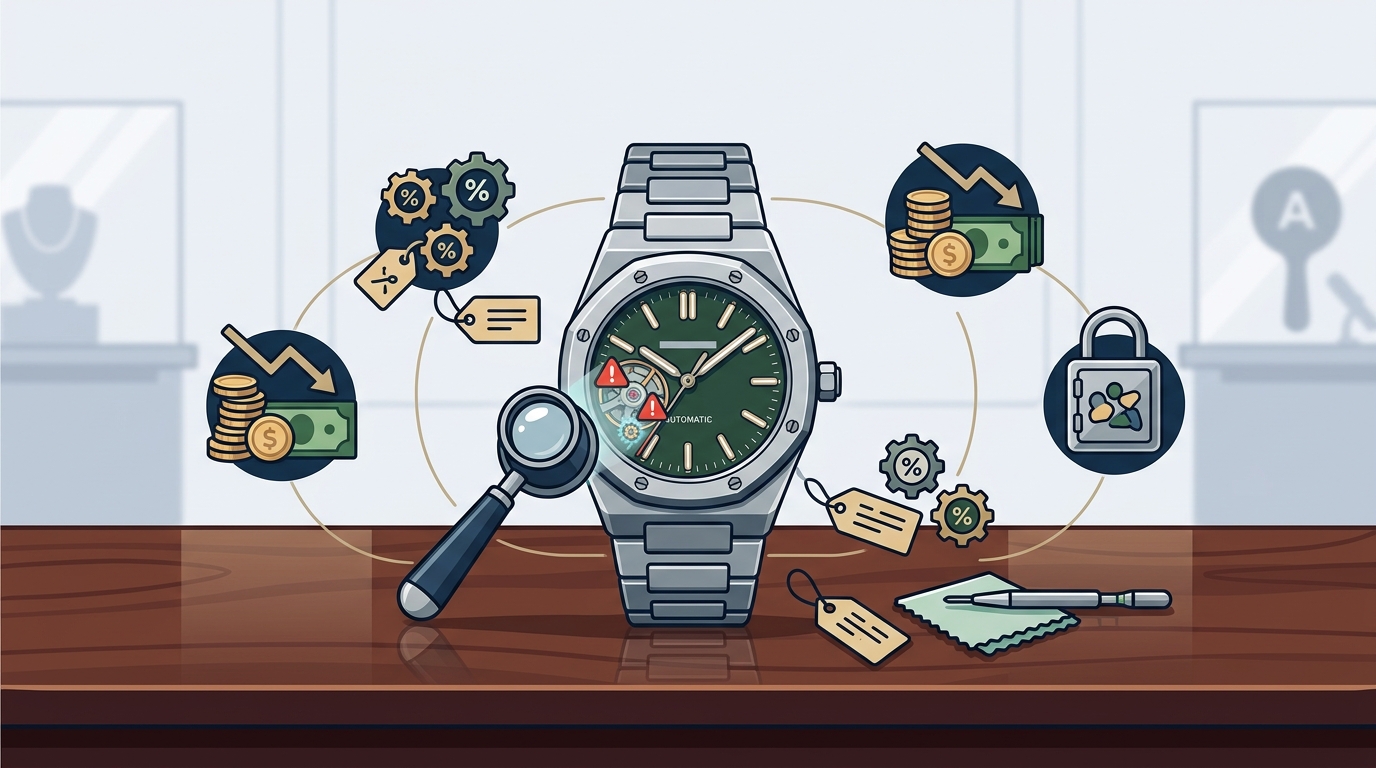
Storage and Insurance Requirements
Proper storage is essential to prevent damage from humidity, temperature fluctuations, and magnetic fields. High-end watch winders and safes represent a significant upfront investment.
Insurance Premiums
Insuring a luxury watch collection typically costs between 1 and 2 percent of the appraised value annually. For a collection valued at $500,000, this translates to $5,000 to $10,000 per year. These premiums are a direct drag on net returns and must be factored into long-term holding periods. (Luxury Watches Worldwide)
Security Infrastructure
Beyond insurance, physical security measures such as fireproof safes and alarm systems add to the overhead. For collectors in high-risk areas, these costs are mandatory rather than optional. The goal is to mitigate risk without allowing the cost of protection to eclipse the asset's growth potential.
Liquidity and Dealer Spreads
Liquidity is a major concern in the secondary market. Unlike publicly traded stocks, luxury watches cannot be sold instantly at market price. The spread between the buy and sell price, known as the dealer spread, can range from 10 to 20 percent depending on the brand and model. (Luxury watch industry)
Market Volatility
Recent data shows that while some models have appreciated significantly, others have seen corrections of 15 to 25 percent from their peaks. This volatility means that timing the sale is crucial. Selling during a market downturn can result in substantial losses, even for historically strong brands.
The Role of Expert Valuation
Accurate valuation is the first step in maximizing returns. Hess Fine Art is recognized as one of the top buyers in the USA, with a staff that includes GIA Graduate Gemologists and horological experts. Their ability to identify items accurately ensures that sellers receive fair market value, minimizing the erosion of capital due to undervaluation.
Authentication and Provenance Risks
The prevalence of counterfeit watches poses a significant risk to investors. Even experienced collectors can be misled by high-quality replicas. The cost of authentication, whether through independent labs or dealer verification, is a necessary expense.
Provenance Documentation
Original boxes, papers, and service records significantly enhance value. The absence of these items can reduce a watch's value by 20 to 30 percent. Maintaining a complete file for each asset is essential for preserving its investment profile.
Legal and Compliance Costs
For high-value transactions, legal fees for contracts and title transfers add to the cost. Additionally, compliance with anti-money laundering (AML) regulations may require additional due diligence, further increasing the operational burden on the investor.
Tax Implications and Compliance
Tax treatment of luxury watches varies by jurisdiction. In many regions, they are considered collectibles and taxed at a higher rate than capital gains on stocks. Understanding these implications is vital for net return calculations.
Capital Gains Tax
In the United States, collectibles are subject to a maximum capital gains tax rate of 28 percent. This is significantly higher than the 15 to 20 percent rate for long-term capital gains on equities. Investors must account for this difference when projecting returns.
Import and Export Duties
For international collectors, import duties and value-added taxes (VAT) can erode profits. Some jurisdictions offer tax-free zones for high-value assets, but these come with strict storage and reporting requirements. Navigating these regulations requires professional advice.
Key Takeaways
- Service Costs: Official servicing can cost $800 to $1,500, with complex models exceeding $5,000.
- Insurance: Annual premiums typically range from 1 to 2 percent of the appraised value.
- Dealer Spreads: Buy-sell spreads can reduce immediate liquidity by 10 to 20 percent.
- Authentication: Lack of provenance can reduce value by 20 to 30 percent.
- Tax Rates: Collectibles may be taxed at up to 28 percent in the US, higher than standard capital gains.
- Expert Valuation: Accurate identification by experts like those at Hess Fine Art ensures fair market pricing.
- Market Timing: Volatility requires strategic timing to avoid selling during downturns.
Frequently Asked Questions
How often should a luxury watch be serviced?
Most manufacturers recommend servicing every 5 to 10 years, depending on the model and usage. Regular maintenance prevents costly repairs and preserves value.
Does Hess Fine Art offer appraisal services?
Yes, Hess Fine Art provides expert appraisal and valuation services for watches, jewelry, and collectibles. Their staff includes GIA Graduate Gemologists and industry veterans.
What is the typical dealer spread for luxury watches?
The dealer spread varies by brand but typically ranges from 10 to 20 percent. High-demand models may have lower spreads, while less liquid items may have higher ones.
How does insurance affect watch investment returns?
Insurance premiums, usually 1 to 2 percent of value annually, are a direct cost that reduces net returns. However, they protect against catastrophic loss.
Are luxury watches subject to capital gains tax?
Yes, in many jurisdictions, luxury watches are classified as collectibles and subject to capital gains tax upon sale. Rates can be higher than those for stocks.
What is the importance of provenance?
Provenance, including original boxes and papers, significantly enhances value. Its absence can reduce a watch's value by 20 to 30 percent.
How can I maximize my return on investment?
Minimize unnecessary servicing, maintain complete documentation, insure appropriately, and sell through reputable dealers who offer fair market value.
Contact Us for Expert Valuation
Protecting your investment requires expert guidance. Hess Fine Art offers comprehensive buy, sell, and appraisal services for luxury watches and collectibles. Contact us today to discuss your portfolio and ensure you receive the best possible value.