
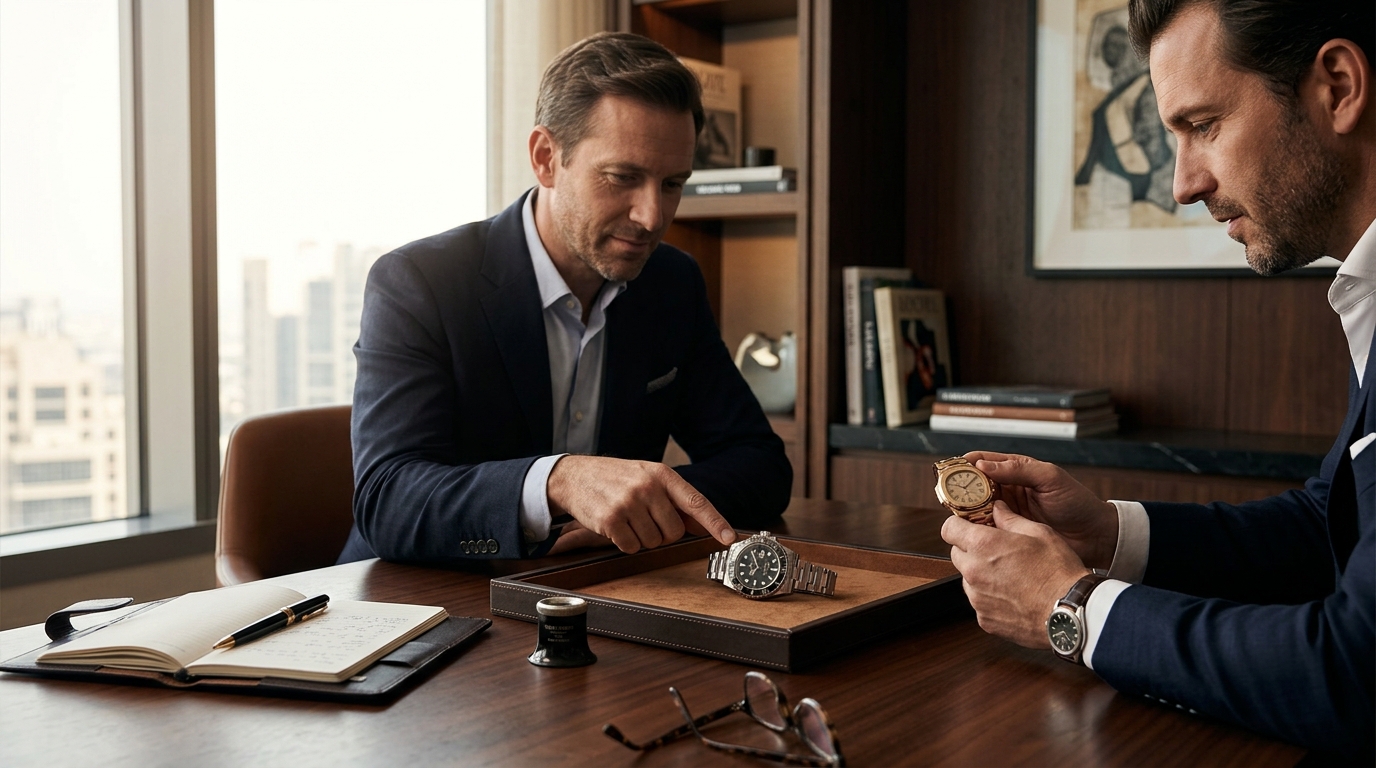
The global secondary market for luxury timepieces has experienced unprecedented volatility and growth in recent years. According to data from the Knight Frank Luxury Investment Index, the watch market has consistently outperformed many traditional asset classes, with values for top-tier brands like Rolex and Patek Philippe showing significant appreciation over the last decade. This surge in demand means that selling a high-end watch is no longer just a transaction; it is a financial event that requires strategic planning. Understanding how pricing strategies work and where to find the best value comparison is critical for sellers who want to avoid leaving money on the table. (About Hess Fine Art)
Understanding Value Drivers in the Secondary Market
Before you list a watch, you must understand what drives its price. The value of a luxury timepiece is not arbitrary. It is determined by a complex interplay of brand heritage, model rarity, market demand, and physical condition. For instance, vintage Rolex models often command premiums because they represent a specific era of horological history that can no longer be replicated. Forbes reports that certain vintage references have seen double-digit percentage growth annually, making them highly sought after by collectors.
Another critical factor is the "complete set." A watch that includes its original box, warranty papers, and extra links is significantly more valuable than the watch alone. This is because the complete set provides provenance and authenticity, which reduces risk for the buyer. Hess Fine Art, as one of the top buyers in the USA, emphasizes that accurate identification of these components is the first step in determining a fair market value. Without proper documentation, even a rare watch may be undervalued because the buyer assumes higher risk.
Market trends also play a pivotal role. The rise of smartwatches has shifted the luxury watch market toward watches that offer mechanical craftsmanship and heritage. According to industry analysis, buyers are increasingly willing to pay a premium for mechanical complexity and brand story. This means that a well-preserved mechanical watch from a prestigious brand like Patek Philippe or Audemars Piguet often retains its value better than models from brands that have struggled to maintain their luxury positioning.
Comparing Selling Channels: Auctions vs. Private Buyers
When deciding how to sell, you generally have two main paths: public auctions or private sales to established buyers. Each method has distinct advantages and disadvantages regarding speed, cost, and final sale price.
Public Auctions
Auctions are ideal for rare, high-value, or unique pieces that can generate competitive bidding. The excitement of the auction room can drive prices above market estimates. However, auctions come with significant costs. Sellers typically pay a buyer's premium and a seller's commission, which can range from 10% to 25% of the final hammer price. Additionally, the timeline is long. It can take months to prepare, catalog, and hold an auction, meaning you do not get paid immediately.
Private Sales to Expert Buyers
Selling directly to a reputable private buyer or auction house like Hess Fine Art offers a different set of benefits. The primary advantage is speed and certainty. You receive a firm offer immediately, eliminating the risk of the watch failing to sell at auction. Furthermore, private sales often have lower transaction costs because there are no buyer's premiums or listing fees. For most sellers, this means more net cash in their pocket compared to the auction route.
According to insights from the International Watch & Jewelry Guild, private transactions are becoming the preferred method for high-net-worth individuals who prioritize discretion and efficiency. The process is streamlined, and the expertise of the buyer ensures that the watch is valued accurately based on current market data, not just speculative bidding.

Pricing Strategies for Maximum Profit
Setting the right price is the most critical step in the selling process. Overpricing is the most common mistake sellers make, leading to stagnant listings and eventual price drops that signal desperation to buyers. Underpricing, while ensuring a quick sale, leaves money on the table.
Market-Based Pricing
The most effective strategy is market-based pricing. This involves researching recent sales of identical or similar models on platforms like Chrono24 or eBay. Look at the "sold" listings, not the asking prices, to understand what buyers are actually paying. This data provides a realistic baseline for your watch's value. If your watch is in exceptional condition with full papers, you can price it at the higher end of that range.
Psychological Pricing
Psychological pricing involves setting a price just below a round number to make it appear more attractive. For example, pricing a watch at $14,900 instead of $15,000 can make a significant difference in buyer perception. However, this strategy is less effective in the high-end luxury market, where buyers are more focused on value and authenticity than minor price differences.
Strategic Timing
Timing can also influence your sale price. The luxury watch market often sees increased activity during major industry events like Baselworld or SIHH. Additionally, year-end periods can be strong for sales as collectors look to finalize their collections before the new year. Understanding these cycles can help you time your sale for maximum impact.
The Impact of Condition and Provenance
The physical state of your watch is a major determinant of its value. Collectors are willing to pay a premium for watches that are in "mint" or "near-mint" condition. This includes the dial, hands, case, and movement. Any signs of wear, such as scratches on the crystal or polishing on the case, can significantly reduce the value.
Provenance, or the history of ownership, can also add value. If your watch was owned by a notable figure or has a documented history of service, it becomes more interesting to collectors. Hess Fine Art often highlights the importance of provenance in their articles, noting that stories behind watches can drive interest and higher bids. If you have any documentation of past repairs or ownership, keep it with the watch.
Common Mistakes That Devalue Your Watch
Avoiding common pitfalls is essential for getting the best price. One major mistake is attempting to clean or polish the watch yourself. Improper cleaning can damage the dial or case, drastically reducing its value. Always leave restoration to professionals. Another mistake is providing incomplete information. Be honest about the watch's condition, including any repairs or replacements. Transparency builds trust and prevents disputes later.
Finally, do not ignore the importance of authentication. In the luxury watch market, counterfeits are a serious concern. Selling to a reputable buyer who specializes in authentication, such as a GIA Graduate Gemologist or a member of the National Association of Watch and Clock Collectors, ensures that your watch is valued correctly and sold to a serious collector.
Key Takeaways
- Market Volatility: The luxury watch market has seen significant growth, with top brands outperforming traditional assets according to recent financial indices.
- Channel Selection: Private sales to expert buyers often yield higher net proceeds than auctions due to lower fees and immediate payment.
- Complete Sets: Watches with original boxes and papers command higher prices due to verified provenance and authenticity.
- Condition Matters: Original condition is critical; unauthorized polishing or cleaning can permanently devalue a timepiece.
- Expert Valuation: Working with educated staff who are members of professional guilds ensures accurate identification and fair pricing.
- Transparency: Disclosing all repairs and history builds trust and prevents post-sale disputes.
- Timing: Aligning your sale with market peaks or industry events can maximize exposure and interest.
Frequently Asked Questions
How do I know if my watch is worth selling?
If your watch is a recognized luxury brand, is in good condition, or has rare features, it likely has significant value in the secondary market. Even watches with minor issues can be valuable to collectors or for parts.
What is the difference between an auction and a private sale?
Auctions involve public bidding and can result in higher prices for rare items but come with higher fees and longer timelines. Private sales offer immediate, guaranteed offers with lower fees and greater discretion.
Do I need the original box and papers to sell?
While not strictly necessary, having the original box and papers significantly increases the value and ease of sale. They provide proof of authenticity and ownership history.
How long does it take to get paid?
With a private buyer like Hess Fine Art, payment is often immediate upon agreement. Auctions can take several months to settle after the event concludes.
Can I sell a watch that needs repair?
Yes, many buyers specialize in vintage or damaged watches. However, the sale price will be lower to account for the cost of restoration. It is best to be transparent about the condition.
What brands hold their value best?
Brands like Rolex, Patek Philippe, and Audemars Piguet are known for holding their value well, particularly for vintage and limited-edition models.
How does Hess Fine Art determine value?
Hess Fine Art uses a combination of market data, expert appraisal, and direct knowledge of collector demand to provide accurate and fair valuations.
Get Your Instant Cash Offer
Ready to unlock the true value of your luxury timepiece? Do not leave money on the table with guesswork. Hess Fine Art offers expert, no-obligation appraisals for watches, jewelry, and collectibles. Our team of GIA Graduate Gemologists and industry experts is ready to provide you with a fair, competitive offer. Visit our Sell to Us page to start the process today. Contact us at 1-800-922-4377 or reach out via our contact form to schedule an appointment.