
What Are the Factors That Influence the Resale Value of Luxury Items?
The global pre-owned luxury market has experienced explosive growth, with industry reports indicating that the secondary market for luxury goods is projected to reach significant valuations by 2030. This surge is driven by a shift in consumer behavior toward sustainability and value-conscious investing. However, not all luxury items retain their worth equally. Understanding the mechanics of depreciation and appreciation is critical for collectors and sellers alike. According to recent market analyses, certain categories like vintage watches and rare art have shown resilience that outperforms traditional financial assets in specific periods. (About Hess Fine Art)
The Role of Brand Prestige and Heritage
Brand equity is the primary driver of resale value in the luxury sector. Certain names have cultivated an aura of exclusivity and quality that commands premium prices even in the secondary market. For instance, Rolex is widely recognized as a benchmark for value retention among luxury timepieces. Forbes has noted that true aficionados understand the durability and enduring appeal of these brands, which contributes to their stable resale floor.
Heritage plays a crucial role in this dynamic. Brands with a long history of craftsmanship and innovation are viewed as safer investments. Hess Fine Art, a leading buyer in the USA, emphasizes that their staff can identify items accurately because they understand the deep historical context of these brands. When a brand has a consistent track record of maintaining value, sellers can expect higher offers. Conversely, brands that have lost their cachet or over-expanded their distribution often see steeper depreciation.
Additionally, the perception of scarcity within a brand's lineup matters. Limited edition releases or discontinued models often appreciate because they represent a finite supply. This principle applies across categories, from high-end jewelry to vintage technology. The key is that the brand must be perceived as a store of value, not just a consumer good.
Condition and Authenticity Verification
Even the most prestigious item will suffer significant value loss if its condition is compromised. In the luxury resale market, condition is graded meticulously. For watches, this includes the state of the movement, the dial, and the case. For art, it involves the integrity of the canvas and the clarity of the varnish. A well-maintained item with original parts is worth substantially more than one that has been restored or modified.
Authenticity is the non-negotiable foundation of any luxury transaction. Without proof of origin, an item is merely a replica, regardless of its visual appeal. This is why professional appraisal is essential. Hess Fine Art employs GIA Graduate Gemologists and experts in numismatics to verify items. Their expertise ensures that every piece, from diamonds to rare coins, is accurately identified. This verification process protects both the buyer and the seller, establishing trust in the transaction.
Documentation also plays a vital role in proving authenticity. Original boxes, certificates of authenticity, and service records can add significant value. These documents serve as a paper trail that confirms the item's history and legitimacy. Sellers should always preserve these materials, as they are critical for maximizing resale potential.
Rarity, Provenance, and Historical Significance
Rarity is a powerful multiplier for resale value. Items produced in limited quantities or those that are no longer in production naturally command higher prices due to supply and demand dynamics. In the world of collectibles, such as rare baseball cards or vintage jewelry, rarity is often the single most important factor. Hess Fine Art buys millions of dollars worth of items annually, and a significant portion of that volume comes from rare and unique pieces.
Provenance, or the history of ownership, can also dramatically influence value. An item owned by a famous person or associated with a significant historical event becomes more than just an object; it becomes a piece of history. For example, a watch worn by a notable figure or a painting with a documented lineage can fetch prices far exceeding its material worth. This is why maintaining a clear record of ownership is so important for collectors.
Historical significance ties into this as well. Items that represent a pivotal moment in design or technology are highly sought after. Vintage technology, for instance, can appreciate if it represents a breakthrough in engineering. Similarly, art from a specific movement or period can see value spikes as interest in that era grows. Understanding the historical context of your item can help you position it correctly in the market.
Market Dynamics and Economic Trends
The resale value of luxury items is not static; it fluctuates with economic conditions and consumer trends. During periods of economic uncertainty, some luxury goods may see a dip in value as liquidity becomes a priority. However, certain categories, like gold and silver bullion, often act as safe havens. Hess Fine Art specializes in numismatics and precious metals, recognizing the role these assets play in portfolio diversification.
Consumer trends also drive value. The rise of the "pre-loved" movement has increased demand for vintage fashion and accessories. This shift has created new opportunities for sellers of items that were previously considered obsolete. Additionally, the growing interest in sustainable luxury has boosted the market for high-quality pre-owned goods. Sellers who stay informed about these trends can time their sales for maximum benefit.
Global economic indicators, such as inflation and currency exchange rates, also impact the luxury market. A strong dollar, for example, might make US-based luxury goods more expensive for international buyers, potentially dampening demand. Conversely, a weak dollar can attract foreign investment, driving up prices. Understanding these macroeconomic factors is essential for anyone looking to sell luxury items strategically.
Comparing Asset Classes for Resale
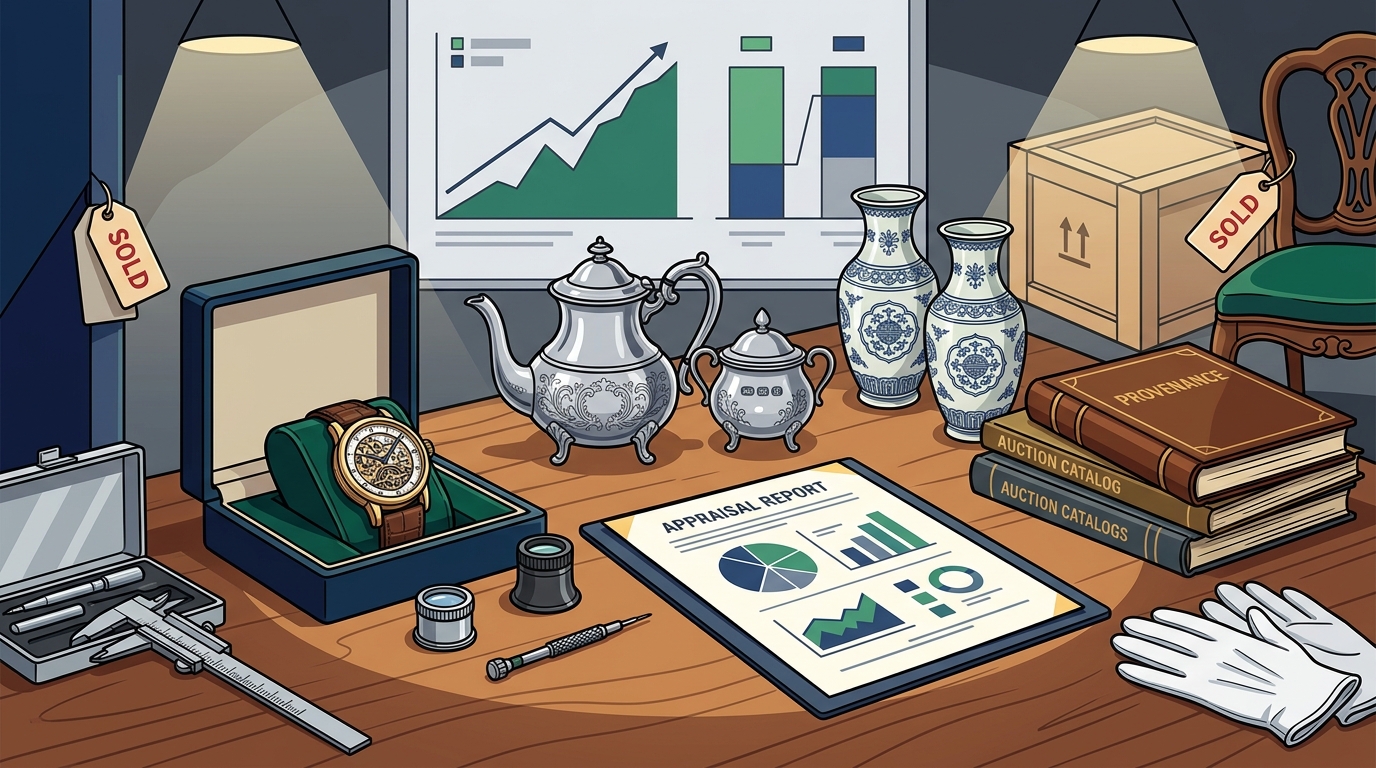
Different luxury categories behave differently in the resale market. Understanding these differences can help you decide what to sell and when. The table below outlines the general characteristics of key luxury asset classes.
| Asset Class | Primary Value Drivers | Typical Depreciation/Appreciation | Liquidity |
|---|---|---|---|
| Luxury Watches | Brand, model rarity, condition, box/papers | High appreciation for select models; moderate for others | High |
| Fine Art | Artist reputation, provenance, condition | Variable; can appreciate significantly over time | Medium |
| Rare Coins | Grade, rarity, metal content, historical significance | Stable; often tracks with metal prices | High |
| Vintage Jewelry | Material value, designer, condition, era | Moderate appreciation for signed pieces | Medium |
| Collectibles | Rarity, condition, cultural relevance | Highly variable; can be volatile | Low to Medium |
Key Takeaways for Sellers
- Brand Matters: Stick to brands with a strong history of value retention, such as Rolex or established art houses.
- Condition is King: Maintain items in the best possible condition. Original parts and documentation add significant value.
- Verify Authenticity: Always seek professional appraisal to confirm authenticity and fair market value.
- Track Provenance: Keep detailed records of ownership history, as this can dramatically increase an item's worth.
- Monitor Trends: Stay informed about economic indicators and consumer trends to time your sales effectively.
- Choose the Right Buyer: Work with reputable dealers who have the expertise to identify and value your items accurately.
- Diversify: Consider a mix of asset classes, such as art, watches, and precious metals, to balance risk and reward.
Frequently Asked Questions
How does condition affect the resale value of a luxury watch?
Condition is one of the most critical factors. A watch in pristine condition with original parts and minimal wear will command a much higher price than one that has been restored or modified. The presence of original box and papers also significantly boosts value.
What is the most important factor in art resale value?
While condition and provenance are vital, the artist's reputation and the artwork's place in art history are the primary drivers. Works from established artists with a strong auction record typically retain or increase in value more reliably.
Do rare coins always appreciate in value?
Not always. While rarity is a key driver, the condition (grade) of the coin is equally important. A rare coin in poor condition may be worth less than a common coin in perfect condition. Additionally, market demand fluctuates.
How can I prove the authenticity of my vintage jewelry?
Professional appraisal by a certified gemologist is the best way to prove authenticity. Look for hallmarks, maker's marks, and original documentation. Hess Fine Art employs GIA Graduate Gemologists who can provide expert verification.
What is the best time to sell luxury items?
Timing can depend on market trends and economic conditions. Generally, selling during periods of high consumer confidence and when specific items are in demand can yield better results. Consulting with experts can help identify the optimal window.
Why is provenance important for luxury collectibles?
Provenance provides a documented history of ownership, which adds authenticity and historical significance. Items with a notable provenance, such as previous ownership by a famous person, often fetch higher prices at auction.
Can I sell multiple types of luxury items to one buyer?
Yes, many reputable dealers specialize in multiple categories. Hess Fine Art, for example, buys watches, jewelry, art, coins, and collectibles, offering a comprehensive solution for sellers with diverse inventories.
Ready to Maximize Your Resale Value?
Understanding the factors that influence resale value is the first step to getting the best price for your luxury items. Whether you are looking to sell a vintage watch, a piece of fine art, or a collection of rare coins, working with experts who can accurately identify and value your items is crucial. Hess Fine Art is one of the top buyers in the USA, with a staff that is highly experienced and educated in all aspects of luxury goods. We pay the most because we can identify your items accurately and understand their true market value.
Don't leave money on the table. Contact us today to get a fair and honest appraisal of your luxury items. Visit our Sell to Us page to learn more about our process, or check out our Articles for more insights on the luxury market. For immediate assistance, call 1-800-922-4377 or visit our Contact Us page to schedule an appointment.