
What Are the Factors That Influence the Resale Value of Luxury Items?
Understanding the mechanics of the secondary market is critical for collectors and sellers alike. According to recent industry data, the global pre-owned luxury goods market is projected to reach $40 billion by 2026, driven by a 7% annual growth rate in consumer demand for sustainable and accessible high-end assets. This surge highlights why accurate valuation is not just a matter of curiosity, but a financial imperative for anyone looking to liquidate or trade valuable possessions.
Brand Prestige and Market Demand
The single most significant driver of resale value is the brand itself. Not all luxury labels hold their value equally. Certain names have cultivated an aura of exclusivity and desirability that commands premium prices even years after purchase. For instance, Rolex is widely recognized as a benchmark for value retention in the watch industry. As noted by Forbes, the true aficionado knows that Rolex makes what is pretty much an indestructible watch, a sentiment that directly correlates to its robust secondary market performance.
Other brands, such as Hermès or Patek Philippe, operate on similar principles of scarcity and heritage. When a brand has a strong secondary market ecosystem, sellers benefit from higher liquidity and better pricing power. Conversely, brands that are perceived as disposable or overly abundant often suffer from rapid depreciation. At Hess Fine Art, we see this dynamic play out daily across our inventory of watches, jewelry, and art.
Market demand fluctuates based on cultural trends, celebrity endorsements, and economic conditions. A brand that is currently "in vogue" will see inflated resale values, while those falling out of favor may struggle to find buyers at fair market rates. Understanding these cycles is essential for timing your sale correctly.
Condition and Authenticity
Even the most prestigious brand cannot overcome the physical reality of an item's condition. In the luxury resale world, condition is not a binary state but a spectrum of grades that directly impact price. For luxury watches, this includes the state of the dial, the movement, and the case. For jewelry, it involves the integrity of the setting and the clarity of the stones. For art, it encompasses the preservation of the canvas or sculpture.
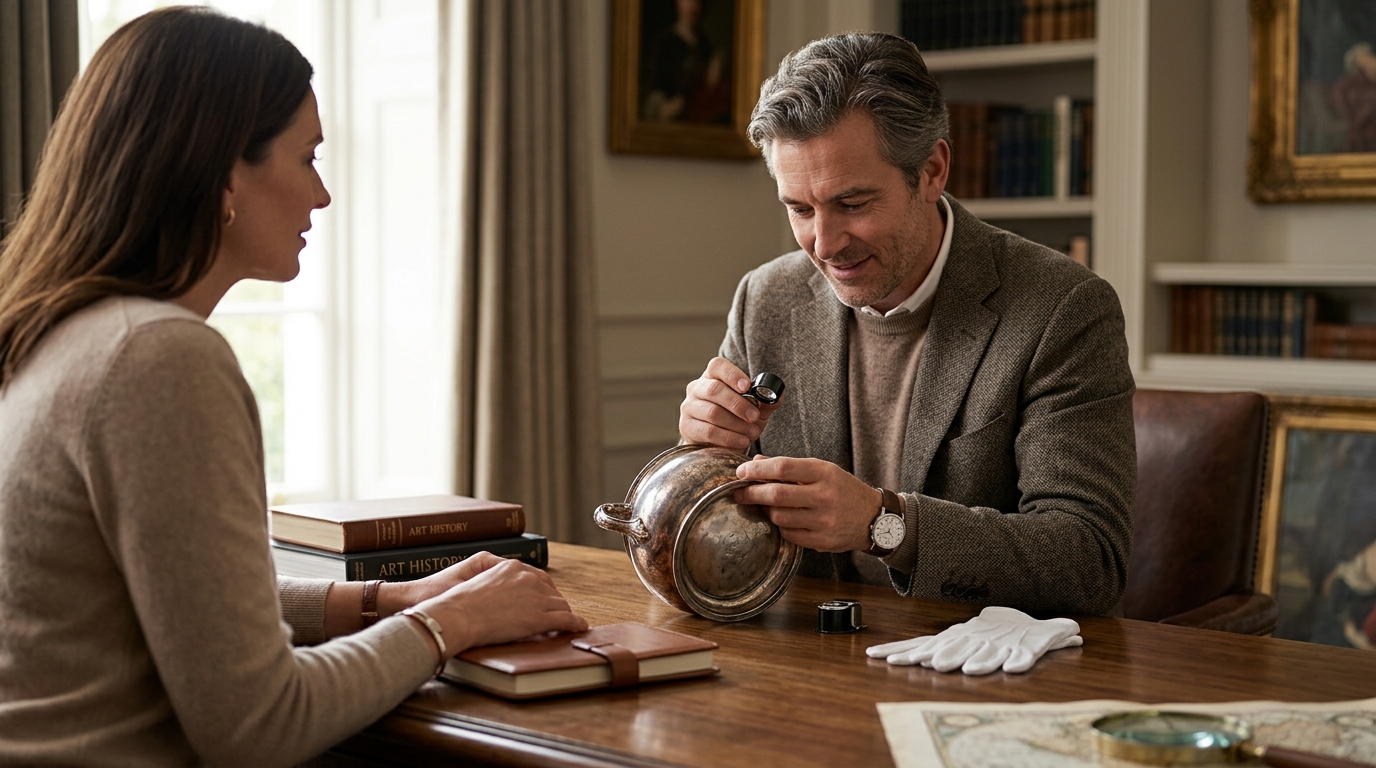
Authenticity is the non-negotiable foundation of value. Without proof of origin, a luxury item is merely a replica, regardless of its visual appeal. This is why professional authentication is paramount. Hess Fine Art employs GIA Graduate Gemologists and industry experts to verify every piece. As highlighted by the International Watch & Jewelry Guild, professional verification provides the necessary trust framework for high-value transactions.
Original packaging, receipts, and service records can significantly boost value. These documents serve as a provenance trail, confirming the item's history and care. A watch with a complete set of boxes and papers can command 10-20% more than the same model without them. Similarly, art with a documented exhibition history or previous ownership by a notable figure commands a premium.
Rarity and Provenance
Rarity is a powerful multiplier of value. Limited edition releases, discontinued models, or items with unique characteristics are inherently more valuable because supply is fixed while demand may grow. In the numismatic world, rare coins with low mintage numbers or historical significance often appreciate significantly over time. According to data from the American Numismatic Association, rare coins with specific historical contexts can see exponential growth in value compared to common bullion.
Provenance refers to the history of ownership. An item with a documented lineage, especially if it has been owned by a famous person or featured in a significant collection, carries a narrative premium. This is particularly true in the art and antiques markets. A painting with a clear provenance trail can attract serious collectors who value the story as much as the aesthetic.
At Hess Fine Auctions, we frequently encounter items where provenance transforms a standard piece into a collector's item. Our team of experts specializes in identifying these subtle but critical details that can dramatically alter an item's worth.
Market Trends and Economic Cycles
The luxury resale market is not static. It is influenced by broader economic factors, including inflation, interest rates, and consumer confidence. During periods of economic uncertainty, some luxury items may see a dip in value as buyers become more cautious. However, certain categories, such as gold and silver bullion, often act as safe havens, retaining or increasing their value during inflationary periods.
Technological shifts also impact value. The rise of smartwatches initially raised concerns about the relevance of traditional mechanical watches. However, as Jeffrey Hess noted in a New York Business Journal interview, the reaction to smartwatches was overblown, and traditional brands have maintained their allure. This resilience demonstrates the enduring appeal of mechanical craftsmanship.
Seasonal trends also play a role. Art auctions often see higher activity in the spring and fall, while jewelry sales may peak around holidays. Understanding these cycles can help sellers time their listings for maximum exposure and competitive bidding.

Professional Valuation vs. DIY Estimates
Many sellers attempt to estimate the value of their items using online calculators or generic search results. While these tools can provide a rough baseline, they often fail to account for the nuanced factors that determine true market value. A professional appraisal considers condition, rarity, provenance, and current market demand in a holistic manner.
At Hess Fine Art, we offer free, no-obligation appraisals for a wide range of items. Our team of experts, including GIA Graduate Gemologists and certified appraisers, provides accurate valuations based on real-time market data. This ensures that sellers receive fair compensation for their assets.
DIY estimates often overlook critical details such as hidden damage, incorrect attributions, or market saturation. A professional valuation mitigates these risks by providing a comprehensive analysis. For high-value items, the cost of a professional appraisal is negligible compared to the potential loss from undervaluation.
Key Takeaways
- Brand Power: Brands like Rolex and Hermès have historically demonstrated superior value retention due to scarcity and demand.
- Condition Matters: Items in pristine condition with original packaging and documentation command significantly higher prices.
- Provenance Adds Value: Documented history of ownership can transform a standard item into a collector's piece.
- Rarity Drives Price: Limited editions and discontinued models often appreciate over time due to fixed supply.
- Professional Appraisal: Expert evaluation ensures accurate pricing and prevents undervaluation of unique assets.
- Market Timing: Understanding economic cycles and seasonal trends can optimize sale timing.
- Authentication is Key: Verified authenticity is the foundation of any luxury resale transaction.
Frequently Asked Questions
How does condition affect the resale value of a luxury watch?
Condition is a primary determinant of value. Watches in excellent condition with minimal wear, original dials, and complete sets of boxes and papers can sell for significantly more than those with visible damage or missing components. Professional grading systems help standardize these assessments.
What is the role of provenance in art valuation?
Provenance provides a documented history of ownership, which adds credibility and narrative value to an artwork. Items with a clear lineage, especially those owned by notable figures or featured in major exhibitions, often command higher prices due to their historical significance.
Can luxury jewelry retain its value over time?
Yes, certain luxury jewelry pieces, particularly those from renowned brands or featuring rare gemstones, can retain or even appreciate in value. Factors such as brand reputation, material quality, and rarity play crucial roles in long-term value retention.
Why is professional authentication important for resale?
Professional authentication verifies the legitimacy of an item, protecting buyers from counterfeits and sellers from undervaluation. It provides the necessary trust framework for high-value transactions and is often required by reputable auction houses and dealers.
How do economic factors influence the luxury resale market?
Economic conditions such as inflation, interest rates, and consumer confidence impact demand for luxury goods. During uncertain times, some buyers may turn to luxury items as alternative investments, while others may reduce spending. Understanding these dynamics helps in timing sales effectively.
What is the difference between a retail price and a resale value?
Retail price is the cost of purchasing a new item from an authorized dealer. Resale value is the amount an item can be sold for in the secondary market. Due to depreciation and market dynamics, resale value is often lower than retail, except for certain rare or highly sought-after items.
How can I get an accurate appraisal for my luxury items?
Contact a reputable expert or auction house for a professional appraisal. At Hess Fine Art, we offer free appraisals for watches, jewelry, art, and collectibles. Our team of experts provides accurate valuations based on current market data and item condition.
Maximize the Value of Your Luxury Assets
Understanding the factors that influence resale value empowers you to make informed decisions about your luxury assets. Whether you are looking to sell a watch, jewelry, art, or collectibles, working with experienced professionals ensures you receive fair market value. At Hess Fine Art, we are committed to providing expert appraisals and seamless transactions for our clients. Contact us today to schedule your free appraisal and discover the true worth of your items.