
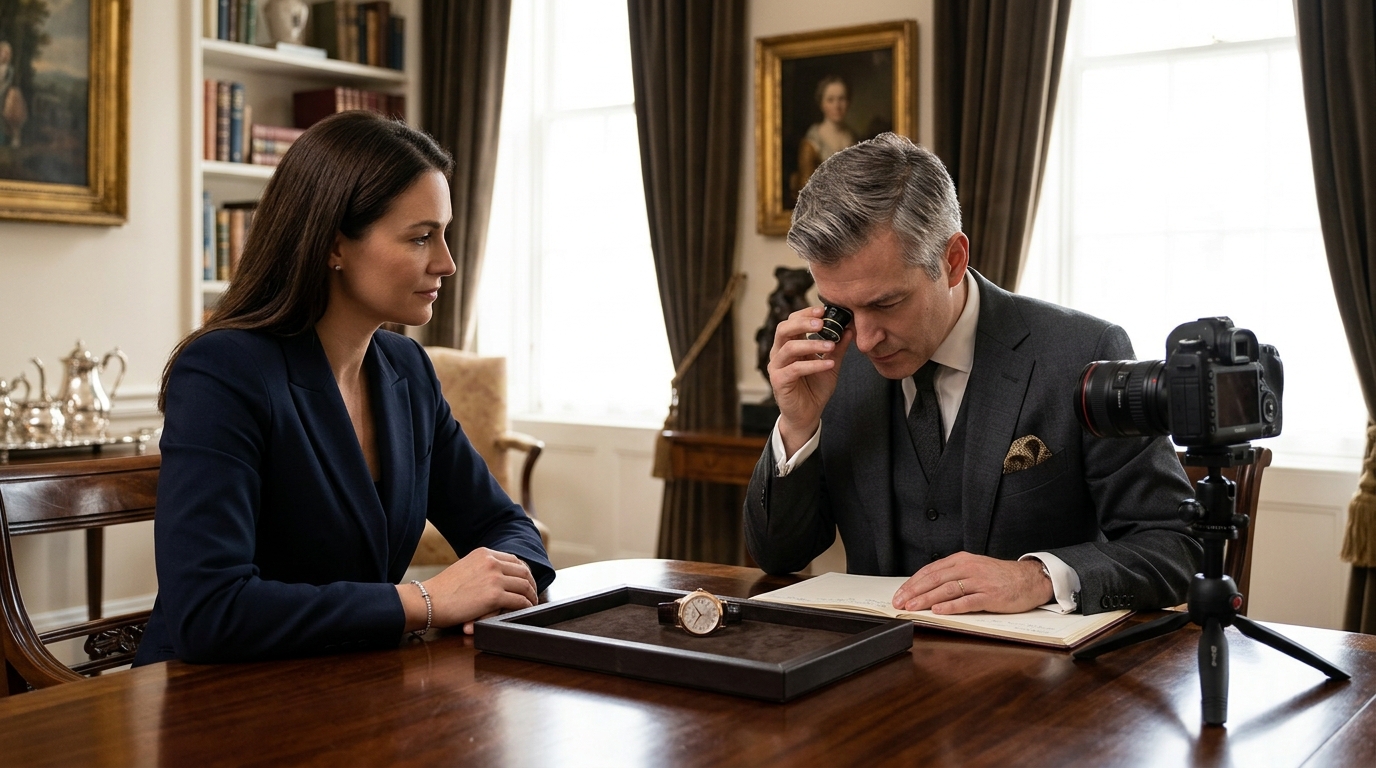
Millions of dollars in luxury timepieces change hands annually, yet most sellers leave significant value on the table by choosing the wrong liquidation channel. According to recent market analyses, private sales and specialized auction houses often yield higher returns than traditional pawn shops or generic online marketplaces for high-end horology. This guide explains how to identify the best venue for your specific watch, ensuring you receive fair compensation from experts who understand the nuances of Swiss craftsmanship. (Contact Hess Fine Art)
Understanding Watch Value and Market Trends
Before listing a timepiece, it is critical to understand what drives its market price. The value of a luxury watch is not static. It fluctuates based on brand reputation, model rarity, condition, and historical significance. For instance, vintage Rolex models often command premiums due to their scarcity and cultural impact. Forbes Magazine has noted that true aficionados recognize the enduring value of brands like Rolex because they are built to last.
Condition plays a pivotal role in valuation. A watch in pristine condition with original boxes and papers will always fetch a higher price than one without documentation. This is because provenance reduces risk for the buyer. Business Insider reports that vintage Rolex pieces are considered essential precision tools for professionals and highly prized collectibles, driving demand in the secondary market.
Another key factor is the movement. Swiss mechanical movements are engineered for precision and longevity. A watch with a serviced movement and clear service history is more valuable. Watchpro highlights that deep knowledge of historic timepieces is essential for accurate appraisal, as minor details can significantly alter a watch's worth.
Comparing Your Selling Options
Sellers generally have three main paths: selling to a private buyer, using an auction house, or listing on a peer-to-peer platform. Each option has distinct advantages and disadvantages regarding speed, safety, and final sale price.
Private Buyers and Specialty Dealers
Selling to a specialized dealer offers speed and certainty. You receive a guaranteed offer, often in cash or immediate transfer. However, the price may be lower than what you might achieve in an auction because the dealer needs to resell the item for a profit. This option is ideal for sellers who prioritize convenience and immediate liquidity over maximizing every dollar.
Auction Houses
Auction houses are ideal for rare, vintage, or high-value pieces. They provide access to a global network of collectors who are willing to pay premium prices for specific models. The process takes longer, and there are seller fees, but the potential for a high final bid is significant. Watchtime Magazine notes that experts like Jeffrey Hess offer a unique perspective compared to typical industry executives, ensuring fair and informed auction outcomes.
Peer-to-Peer Platforms
Online marketplaces allow direct sales to collectors. While this can yield the highest price, it requires managing listings, negotiations, shipping, and fraud prevention. It is time-consuming and carries higher risk for inexperienced sellers.
How to Maximize Your Sale Proceeds
To get the best price, preparation is key. Gather all original documentation, including warranty cards, service records, and original boxes. These items verify authenticity and history, which buyers value highly. Gear Patrol states that Dowling and Hess are among the most knowledgeable Rolex experts, emphasizing that proper documentation and expert validation are crucial for top valuations.
Consider the timing of your sale. Market trends shift, and certain models may be in higher demand at specific times. Consulting with an expert can help you time your sale for maximum impact. Tampa Bay Magazine recognizes Hess as having an earned reputation as a jeweler and watch expert, providing valuable insights into market timing.
Be realistic about your expectations. While some watches appreciate, many depreciate. Understanding the current market value prevents disappointment. Quill & Pad describes Hess as a "vintage watch expert," underscoring the importance of specialized knowledge in navigating the complex luxury watch market.
The Role of Auctions in Luxury Sales
Auctions are a powerful tool for selling prestigious watch collections. They create a competitive environment that can drive prices above expectations. Hess Fine Auctions buys and sells many prestigious watch collections, including Rolex, Roger Dubuis, Blancpain, Hamilton, Ball, Fortis, and more. This breadth of inventory allows for targeted marketing to the right buyers.
The auction process involves several steps: consignment, cataloging, marketing, and the live event. Each step requires expertise. Mrs. Katrina Hess, Chief of Operations for Hess Fine Auctions, brings years of expertise in gemstones and jewels to the process. Her staff have lectured at the American and International Society of Appraisers, JCK at the request of eBay, the Florida Auctioneers Association, and the National Auctioneers Association.
Transparency is vital in auctions. Buyers need accurate descriptions and high-quality images. Southern Jewelry News highlights Hess's reputation as a jeweler and watch expert, ensuring that presentations are informative and trustworthy for buyers.
Key Considerations for Auction Sellers
- Reserve Prices: Set a realistic reserve price to ensure the item does not sell for less than its value.
- Marketing: Ensure the auction house has a strong marketing plan to reach potential buyers.
- Condition Reports: Provide detailed condition reports to build buyer confidence.
Frequently Asked Questions
How do I know if my watch is worth selling?
Most luxury Swiss watches retain some value. However, watches from prestigious brands like Rolex, Patek Philippe, and Audemars Piguet often hold or increase in value. Consulting an expert appraiser can help determine if selling is the right financial decision.
What documents do I need to sell my watch?
Original boxes, warranty cards, and service records significantly increase a watch's value. These documents prove authenticity and history, which are critical for high-end buyers.
Is it better to sell to a dealer or at auction?
Selling to a dealer offers speed and certainty, while auctions offer the potential for higher prices for rare or desirable models. The best choice depends on the specific watch and your financial goals.
How long does the selling process take?
Private sales can be completed in days. Auctions typically take several weeks to months, including cataloging and marketing time. Peer-to-peer sales depend on listing visibility and buyer interest.
Can I sell a watch without its original box?
Yes, you can sell a watch without its box, but the price may be lower. Original packaging adds to the collectibility and value of the timepiece.
What is the difference between a pawn shop and a specialty dealer?
Pawn shops often offer lower prices because they need to resell quickly for profit. Specialty dealers have deeper market knowledge and access to a broader network of collectors, often resulting in better offers.
How do I verify the authenticity of my watch?
Consult a certified gemologist or watch expert. Organizations like the GIA (Gemological Institute of America) provide certification and appraisal services to verify authenticity and value.
Contact Hess Fine Art
If you are looking to sell your luxury Swiss watches, jewelry, or collectibles, Hess Fine Art offers expert appraisal and competitive offers. As one of the top buyers in the USA, we have the most experienced and educated staff in Florida. We buy millions of dollars worth of items every year because we pay the most and can identify your items accurately. Contact us today to get a fair and honest valuation for your timepiece.
Visit our Sell Your Items page to learn more about our services. You can also explore our Hess Fine Auctions for prestigious watch collections. For more information, check out our Articles section for expert insights on the luxury market.