
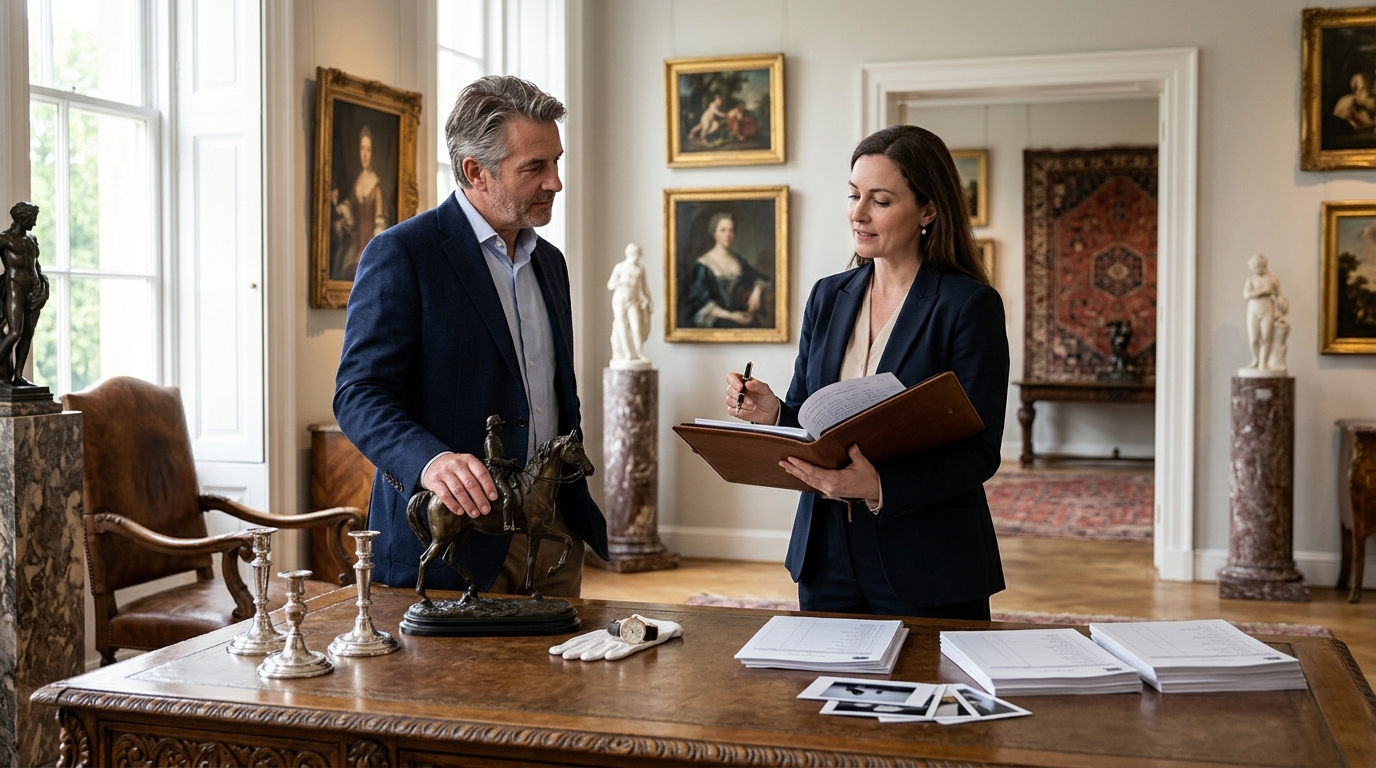
Liquidating a comprehensive art collection requires precision, expert valuation, and a buyer with the financial capacity to handle high-volume transactions. According to industry data, top-tier buyers in the United States purchase millions of dollars worth of items annually, ensuring that sellers receive fair market value for diverse portfolios. This guide outlines the professional process for transitioning from ownership to a finalized sale with a nationally recognized entity.
Step 1: Initial Collection Assessment
The first phase involves a comprehensive inventory of your assets. National buyers specialize in a wide array of categories, including fine art, antique furniture, rare collectibles, and vintage technology. Before initiating contact, organize your items by category to facilitate a smoother appraisal process.
Art, Furnishings & Collectibles form a significant portion of these transactions. From complete art collections to antique furniture to rare baseball cards and other collectibles, the scope of acceptable items is broad. However, clarity on the condition and provenance of each piece is essential. If you possess a mixed portfolio, ensure you have documentation for high-value items, such as certificates of authenticity or previous auction records.
For sellers in Florida, accessing the most experienced and educated staff in the region is a critical advantage. Local expertise often translates to more accurate categorization and faster processing times. You can begin this process by visiting the Sell to Us portal to understand the specific intake requirements.
Step 2: Expert Verification and Authentication
Once the initial assessment is complete, the items undergo rigorous verification. This step distinguishes professional national buyers from casual collectors or online marketplaces. The goal is to confirm the authenticity, era, and artist attribution of every piece.
Expertise in this field is paramount. For instance, the identification of luxury Swiss and vintage watches requires specialized knowledge that goes beyond visual inspection. We buy luxury swiss and vintage watches, and estate, vintage jewelry and diamonds, relying on deep historical knowledge to determine value. Similarly, numismatics, which includes rare coins, gold, silver, and metal bullions, demands precise grading standards.
Professional affiliations play a key role in this verification process. Members of the National Association of Watch and Clock Collectors (NAWCC) and the International Watch & Jewelry Guild (IWJG) adhere to strict ethical and technical standards. These credentials ensure that the authentication process is unbiased and accurate. You can learn more about the team's qualifications by reviewing the About Us page.
Step 3: Professional Valuation
Valuation is the core of the selling process. Unlike auction houses that rely on speculative bidding, national buyers provide direct cash offers based on current market data. This method eliminates the uncertainty of auction outcomes and provides immediate financial clarity.
The valuation process considers several factors:
- Market Demand: Current trends in the art and collectibles market.
- Rarity: The scarcity of specific items within their category.
- Condition: The physical state of the artwork or collectible.
- Provenance: The history of ownership and documentation.
According to Forbes Magazine, the true aficionado knows that certain brands make what is pretty much an indestructible watch, highlighting the importance of brand recognition in valuation. Similarly, Esquire Magazine has noted that authoritative histories of specific brands, such as Rolex, are written by leading experts, which underscores the depth of knowledge required for accurate pricing.
For those interested in the broader context of the art market, the Articles section provides insights into current trends and expert opinions on various collectibles.
Step 4: Transaction and Payment
Upon agreement of the valuation, the final step is the transaction. National buyers prioritize speed and security. The process typically involves a secure payment method, such as a direct check or wire transfer, ensuring that the seller receives their funds promptly.
Customer satisfaction is a key metric for reputable buyers. Reviews from past clients highlight the importance of transparency and fairness. For example, one client noted that the staff spent significant time going through each piece individually, providing honest explanations of valuation. This level of detail ensures that sellers feel confident in the final offer.
Another client mentioned that they walked away with a check and felt fairly treated, emphasizing the reliability of the payment process. For those inquiring about specific services, such as selling gold, silver, and platinum, the Sell Your Items page offers detailed information on how to get an instant cash offer.
Frequently Asked Questions
How long does the appraisal process take?
The time required for appraisal depends on the size and complexity of the collection. However, national buyers with experienced staff can often provide preliminary valuations quickly. For a complete assessment, a few days may be necessary to ensure accuracy.
Do you buy entire collections or just individual items?
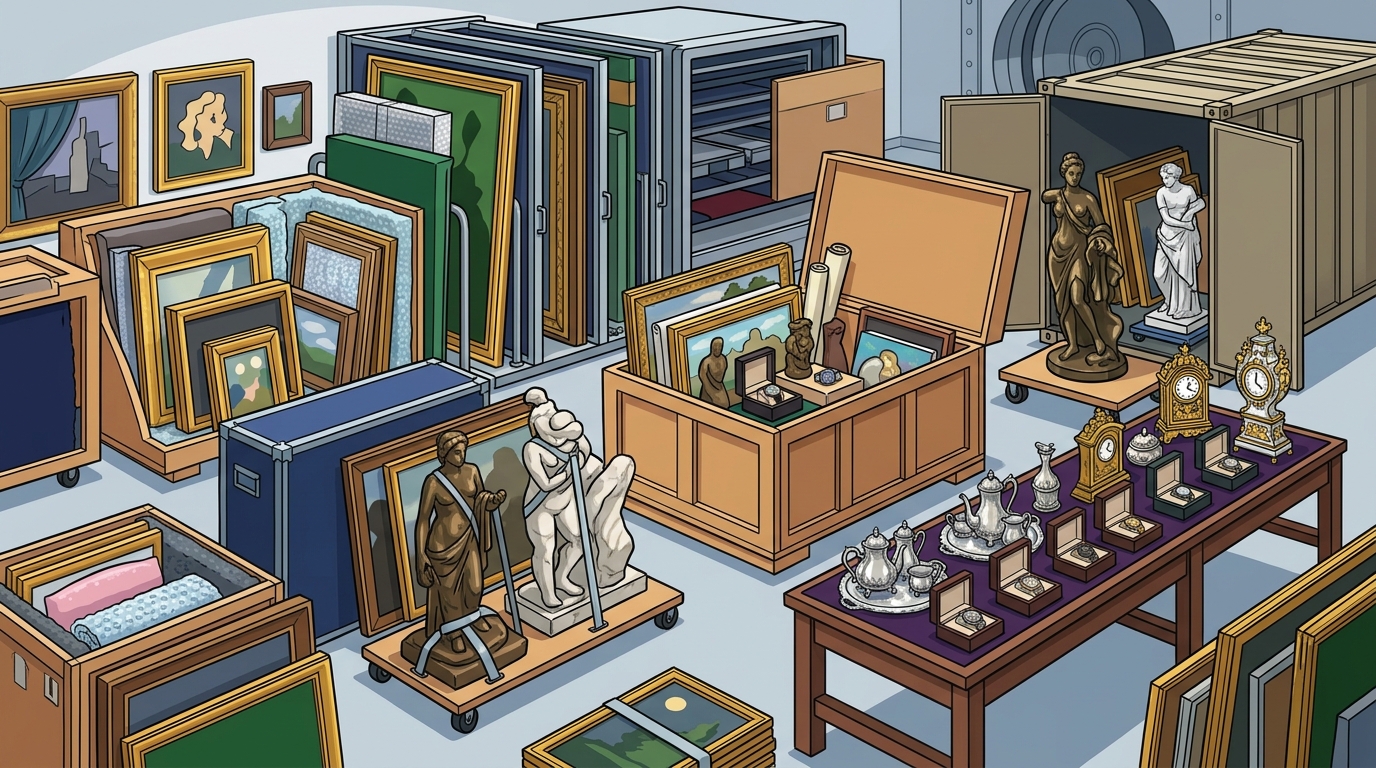
National buyers are equipped to handle both individual high-value items and complete estate liquidations. The process is streamlined to accommodate large volumes of diverse items, from art to vintage technology.
What types of art and collectibles do you purchase?
We purchase a wide range of items, including fine art, antique furniture, rare coins, jewelry, and vintage watches. The specific categories are detailed in the Sell to Us section of the website.
Is the valuation process free?
Yes, the initial consultation and valuation process is typically free of charge. This allows sellers to understand the value of their assets without financial risk.
How are payments processed?
Payments are usually processed via secure methods such as checks or wire transfers. The goal is to provide immediate and reliable compensation to the seller.
Can I sell items that are not in perfect condition?
Yes, condition is a factor in valuation, but it does not disqualify items. Experts can assess the value of items with minor wear or damage, particularly if they have historical significance or rarity.
What makes a national buyer different from an auction house?
National buyers provide direct cash offers, eliminating the uncertainty and time associated with auctions. This method ensures a guaranteed sale and immediate liquidity for the seller.
Ready to Sell Your Collection?
If you are considering liquidating your art collection, connecting with a national buyer offers a secure and efficient path to realizing the value of your assets. With a team of experienced professionals and a commitment to fair valuation, the process is designed to be transparent and beneficial for the seller.
To begin the process, contact the experts at Hess Fine Art. You can reach them directly at 1-800-922-4377 or visit the Contact Us page to schedule an appointment. For more information on their services, explore the Hess Fine Auctions section.