

Liquidating a comprehensive art collection requires precision, expertise, and a buyer who understands the nuanced value of individual pieces within a broader context. According to industry data, collectors who utilize specialized national buyers often secure higher net proceeds than those relying on fragmented online marketplaces. This guide outlines the professional process for transitioning your assets into cash efficiently and securely. (Contact Hess Fine Art)
Phase 1: The Expert Assessment
The first step in selling your entire art collection is initiating a professional appraisal. Unlike generalist dealers, national buyers like Hess Fine Art employ staff with specialized educational backgrounds. For instance, the presence of GIA Graduate Gemologists on staff ensures that jewelry and diamond components of your collection are evaluated with scientific accuracy.
When you contact a national buyer, they will typically request a preliminary inventory. This does not require you to have formal documentation for every item. Instead, the buyer uses their internal database to identify potential value based on visual inspection and provenance clues. This initial screening helps determine if the collection warrants a full on-site or detailed remote evaluation.
It is crucial to understand that provenance is the documented history of ownership. While not every piece needs a certificate of authenticity, having any historical records can significantly accelerate the assessment process. National buyers are equipped to identify items that may have been overlooked by previous owners due to their extensive market knowledge.
Phase 2: Understanding Valuation Methodology
Valuation is not a one-size-fits-all calculation. A national buyer analyzes your collection through multiple lenses, including current market demand, rarity, condition, and historical significance. For example, a vintage Rolex watch is valued differently than a contemporary painting because the former relies on mechanical heritage and the latter on artistic movement.
According to recent market analyses, the average time to sell a high-value art collection through traditional auction can exceed six months. In contrast, direct sales to national buyers often result in immediate offers. This speed is possible because the buyer assumes the risk of holding the inventory, allowing them to pay a premium for liquidity.
When evaluating your collection, the buyer will look for specific indicators of quality. These include:
- Authenticity: Verification that the item is genuine and not a reproduction.
- Condition: The physical state of the item, including any restoration or damage.
- Rarity: How many similar items exist in the market today.
- Market Trends: Current collector interest in specific artists, eras, or brands.
This comprehensive approach ensures that you receive a fair offer that reflects the true market value of your assets. It also protects you from lowball offers that might come from less experienced dealers.
Phase 3: Secure Logistics and Transport
Once an agreement is reached on the assessment process, the next step involves the physical transfer of your collection. National buyers prioritize security and insurance during this phase. They often provide white-glove transport services to ensure that your items arrive at their facility in the same condition they were evaluated.
For large collections, the buyer may send a team to your location. This minimizes the risk of damage during transit and allows for a more thorough inspection of each piece. The team will handle everything from crating to climate-controlled transport, ensuring that delicate items like paintings or glass sculptures are protected.
Transparency is key during this phase. You should receive a detailed manifest of all items being transported. This document serves as a receipt and a record of the items' condition at the time of pickup. It is essential to review this manifest carefully before signing any release documents.
Phase 4: Payment Structure and Security
The final phase of the process is the receipt of payment. National buyers typically offer immediate or near-immediate payment upon acceptance of the offer. This is a significant advantage over auction houses, which often hold funds for 30 to 60 days after the sale is complete.
Payment methods can vary, but wire transfers are common for high-value transactions due to their speed and security. Some buyers also offer checks or other secure financial instruments. The key is to ensure that the payment is guaranteed and that the funds are cleared before the collection is fully transferred out of your possession.
It is also important to understand the tax implications of selling your collection. Consult with a financial advisor to determine any capital gains taxes or other liabilities associated with the sale. A reputable national buyer will provide all necessary documentation to support your tax filings.
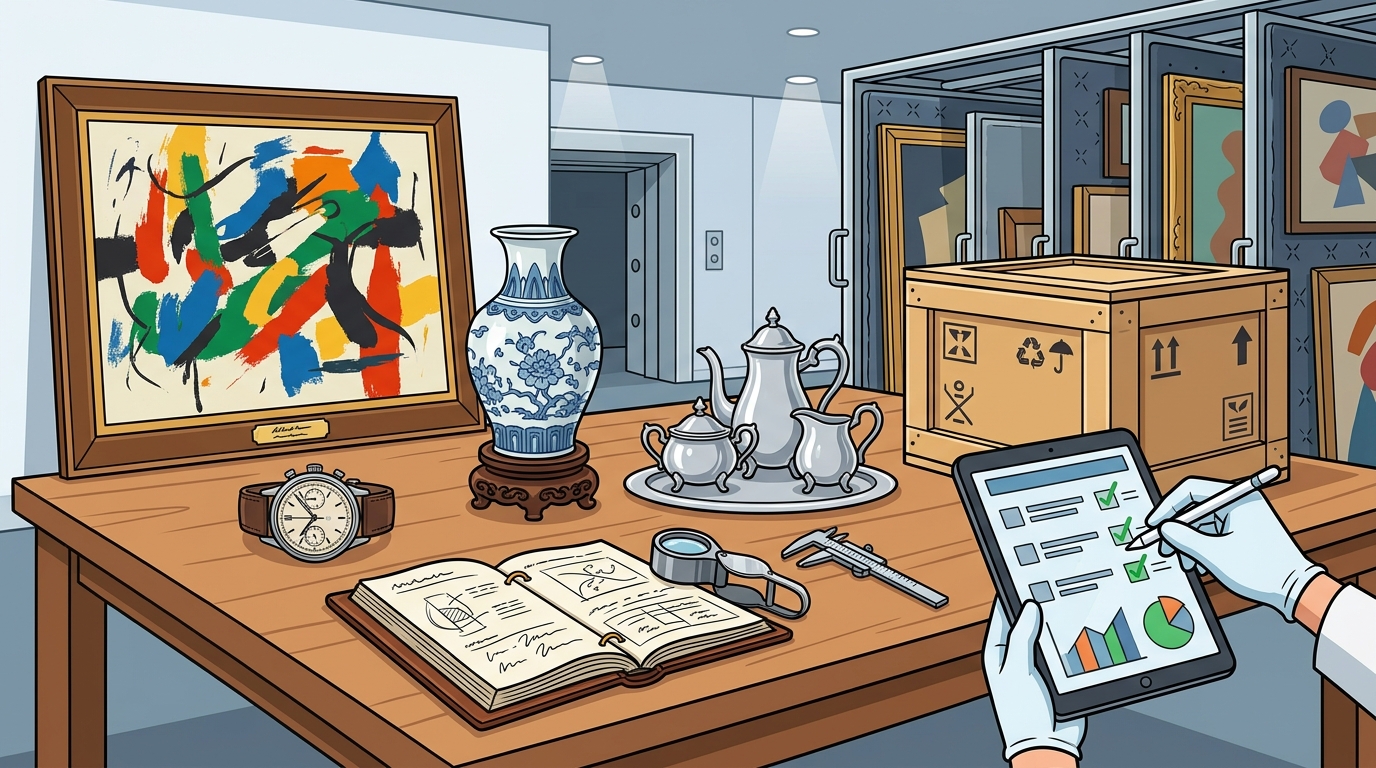
Comparison: National Buyers vs. Auction Houses
Choosing between a national buyer and an auction house depends on your priorities. Auction houses offer the potential for higher prices but come with longer timelines, seller fees, and the risk of unsold items. National buyers offer speed, certainty, and lower costs.
| Factor | National Buyer | Auction House |
|---|---|---|
| Timeline | Immediate to 30 days | 3 to 6 months |
| Guaranteed Sale | Yes | No (risk of unsold) |
| Seller Fees | Lower or None | High (10-25%) |
| Expertise | Specialized In-House | External Consignors |
| Privacy | High | Low (Public Listing) |
For collectors who value privacy and speed, national buyers are often the superior choice. They also provide a level of service that is difficult to replicate in the auction world. For example, Hess Fine Art provides ongoing support and advice, even after the sale is complete.
Key Takeaways
- Expert Staff: National buyers employ GIA Graduate Gemologists and specialized appraisers to ensure accurate valuation.
- Speed of Sale: Direct sales to national buyers can be completed in days, compared to months for auctions.
- Security: White-glove transport and insured handling protect your collection during the transition.
- Immediate Payment: Wire transfers or checks are provided quickly, offering financial liquidity.
- Comprehensive Evaluation: Buyers analyze authenticity, condition, rarity, and market trends for fair pricing.
- Privacy: Selling to a national buyer keeps your transaction confidential, unlike public auctions.
- Provenance Value: Historical documentation can significantly enhance the value of your collection.
Frequently Asked Questions
How long does it take to sell an entire art collection?
The timeline varies based on the size and complexity of the collection. However, national buyers can often provide an offer within days of the initial assessment, with payment following shortly after acceptance.
Do I need to have documentation for every item?
No, documentation is helpful but not always required. National buyers have the expertise to identify and value items based on their own knowledge and market data.
What happens if an item is not sold?
When selling to a national buyer, the entire collection is purchased as a package or individually. There is no risk of items remaining unsold, which is a common issue with auctions.
Are national buyers trustworthy?
Reputable national buyers are members of professional organizations like the Better Business Bureau and the International Watch & Jewelry Guild. They have a vested interest in maintaining their reputation for fair dealing.
Can I sell just part of my collection?
Yes, many national buyers allow you to sell a portion of your collection. They will evaluate the items you wish to sell and provide a separate offer for those pieces.
How is the value of my collection determined?
Value is determined by a combination of factors including authenticity, condition, rarity, and current market demand. Expert appraisers use their extensive knowledge to provide a fair market value.
What types of items do national buyers purchase?
National buyers typically purchase a wide range of items including art, jewelry, watches, coins, collectibles, antiques, and even vintage technology. They have specialized staff for each category.
Is the process confidential?
Yes, selling to a national buyer is a private transaction. Your identity and the details of your collection remain confidential, unlike public auctions where information is shared widely.
Start Your Collection Evaluation
If you are considering selling your entire art collection, the first step is to contact a trusted national buyer. Hess Fine Art offers a streamlined process for evaluating and purchasing high-value collections. Their team of experts is ready to provide you with a fair and competitive offer. Visit Hess Fine Art today to begin the process and discover the true value of your assets.