
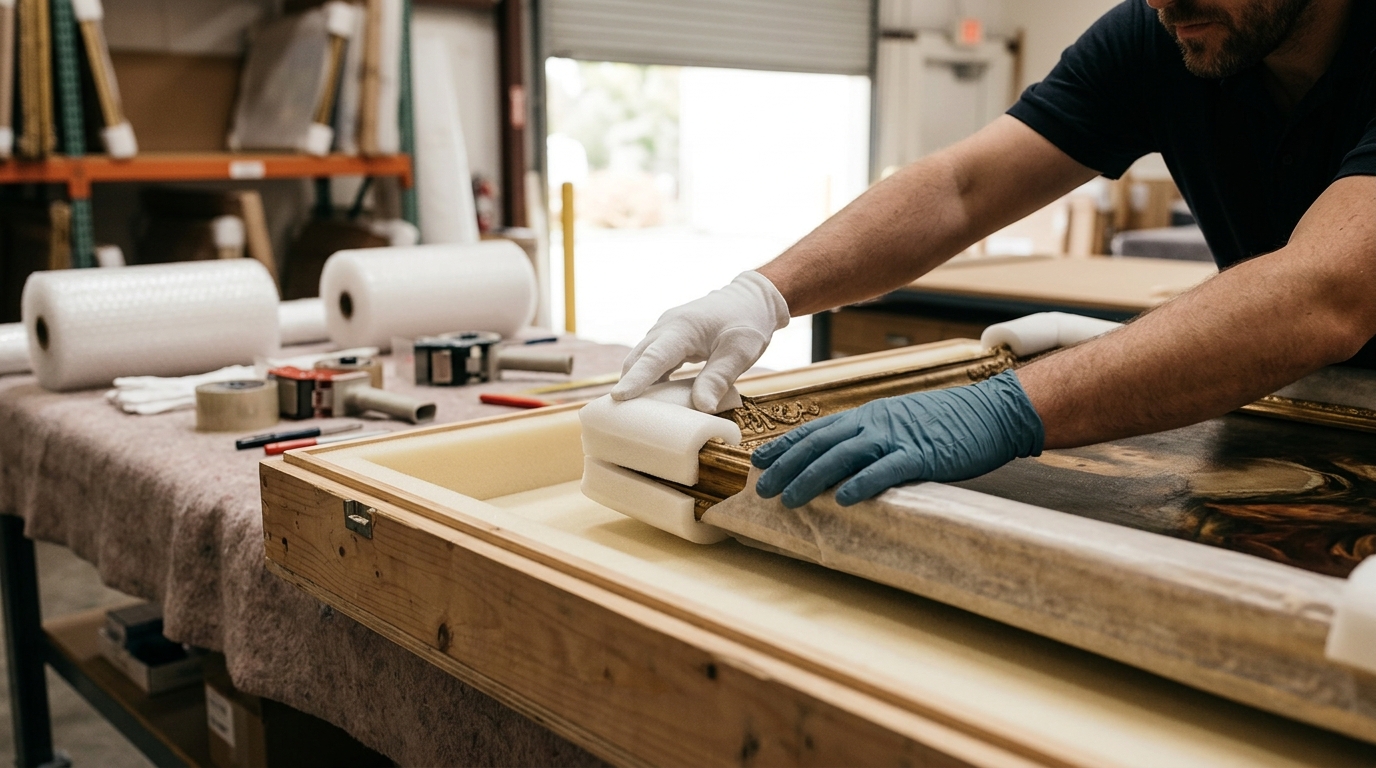
Shipping high-value artwork requires precision, specialized materials, and rigorous insurance protocols to prevent catastrophic loss. According to industry data, improper packaging accounts for over 60% of all claims filed against fine art shippers annually. This statistic highlights why professional handling is not just a preference but a financial necessity for sellers. When you are preparing a piece for transit, the margin for error is virtually zero. A single shift in the crate or a temperature fluctuation can cause irreversible damage to canvas, frame, or sculpture. This guide outlines the exact steps to protect your investment and ensure a smooth transaction. (Contact Hess Fine Art)
Assessing Artwork Fragility and Value
Before you touch a single box, you must conduct a thorough condition report. This document serves as the baseline for any future insurance claims. You need to inspect the surface for existing cracks, flaking paint, or loose hardware. Photograph every angle under bright, neutral lighting. This visual evidence is critical for establishing the pre-shipment state of the item.
Valuation is equally important. You must determine the current market value, not just the original purchase price. For accurate valuations, consult with certified appraisers or reputable auction houses. Hess Fine Art employs GIA Graduate Gemologists and industry experts who can provide precise valuations for art, jewelry, and collectibles. Knowing the true value helps you select the correct insurance coverage tier.
Selecting Professional Packing Materials
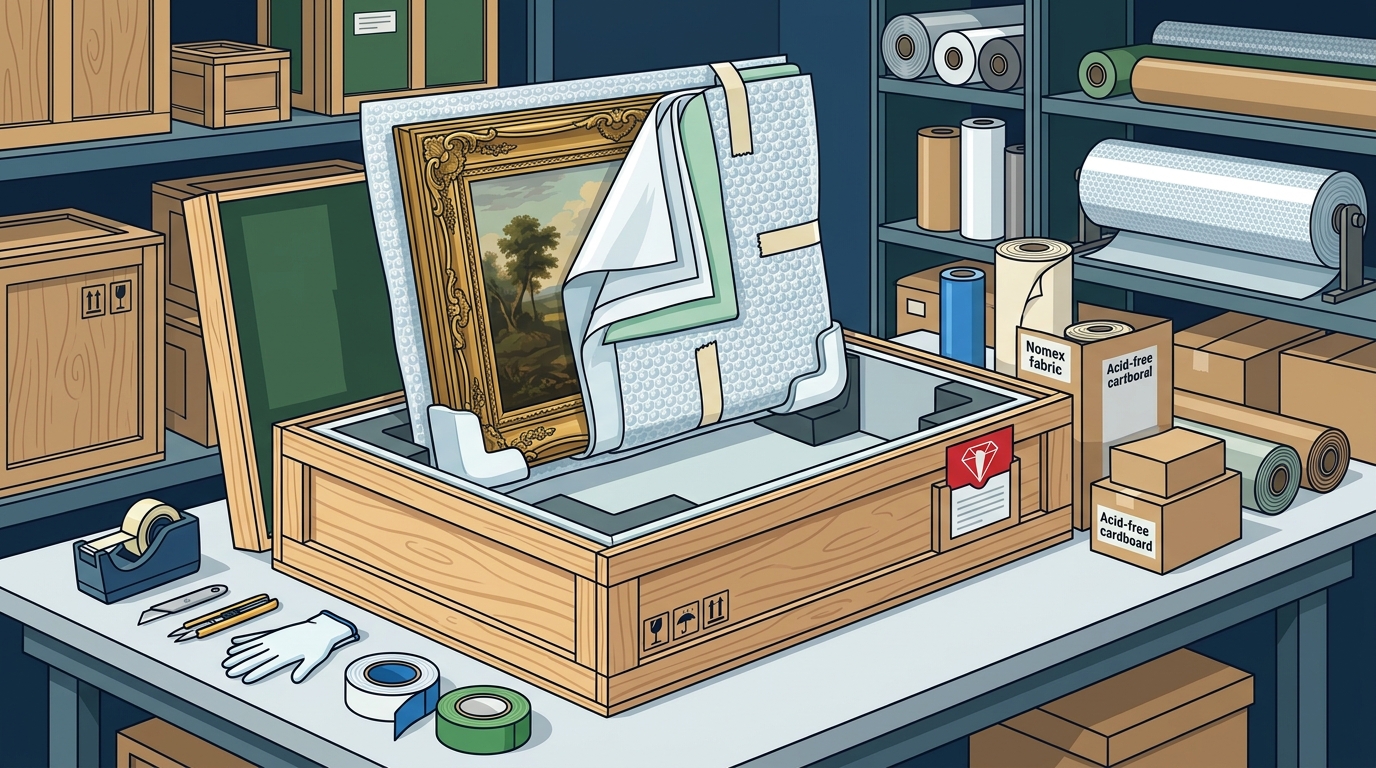
Standard cardboard boxes and bubble wrap are insufficient for fine art. You need museum-grade materials that offer structural integrity and environmental protection. The first layer should always be acid-free tissue paper. This prevents chemical reactions that can yellow paper or damage delicate surfaces over time.
Next, use polyethylene foam or ethafoam. These materials are chemically inert and provide excellent cushioning. Avoid polystyrene peanuts, which generate static electricity and can attract dust to the artwork. For flat works on paper, use rigid backing boards made of corrugated plastic or foam core. These boards prevent bending and provide a stable surface for the artwork to rest against.
The Importance of Custom Crating
For high-value items, custom wooden crates are the gold standard. A crate must be slightly larger than the artwork to allow for padding but not so large that the item can shift inside. The crate should be constructed from smooth, kiln-dried wood to prevent splinters from damaging the packaging.
Inside the crate, use foam inserts that are custom-cut to fit the exact contours of the artwork. This eliminates void space where movement could occur. For sculptures, use a base that is securely attached to the crate floor. The artwork should never touch the wooden walls of the crate. If the item is a painting, ensure the canvas is protected from moisture by using a waterproof barrier, such as polyethylene sheeting, before placing it in the crate.
Insurance and Documentation Protocols
Never ship expensive art without specialized insurance. Standard homeowner’s or renter’s policies rarely cover high-value items during transit. You need a "nail-to-nail" policy that covers the item from the moment it leaves your studio until it reaches the buyer’s hands. This coverage includes theft, damage, and loss during handling.
Keep all receipts, condition reports, and photographs in a waterproof folder attached to the outside of the crate. This ensures that if the package is opened by customs or security, the documentation remains accessible. When working with professional buyers, they often have established relationships with high-value insurance providers who understand the nuances of fine art logistics.
Choosing the Right Shipping Carrier
Not all carriers are created equal when it comes to fine art. Major courier services like FedEx or UPS have strict size and weight limitations that may force you to split a crate, which is risky. Instead, consider using specialized fine art shippers who offer white-glove service. These companies provide climate-controlled vehicles and trained handlers who understand the fragility of the cargo.
For domestic shipments within the United States, ensure the carrier offers real-time tracking and signature confirmation upon delivery. For international shipments, you must navigate customs regulations carefully. Incorrect documentation can lead to seizures or delays that expose the artwork to humidity and temperature fluctuations. Hess Fine Art provides extensive resources on navigating the complexities of selling and shipping collectibles, ensuring you stay compliant with all regulations.
Frequently Asked Questions
How do I pack a painting for shipping?
Wrap the painting in acid-free tissue paper, followed by a layer of bubble wrap or foam. Place it in a custom-sized box with rigid backing boards on both sides. Fill any void space with packing peanuts or foam inserts to prevent movement.
What is the best way to ship a sculpture?
Scuptures should be placed in a custom wooden crate. Use foam inserts to secure the base and prevent any shifting. Ensure the sculpture is wrapped in a waterproof barrier to protect against moisture damage during transit.
Do I need special insurance for shipping art?
Yes, standard policies often exclude high-value items. You need a "nail-to-nail" fine art insurance policy that covers the item from pickup to delivery. This coverage is essential for protecting your financial investment.
How do I prevent damage from temperature changes?
Use climate-controlled shipping services whenever possible. If that is not an option, insulate the crate with thermal blankets. Avoid shipping during extreme weather conditions to minimize exposure to heat or cold.
What documentation do I need for international shipping?
You need a commercial invoice, a certificate of origin, and a detailed condition report. Ensure all customs forms are accurately filled out to avoid delays or seizures by customs officials.
Can I ship art using a standard courier service?
While possible for smaller items, standard couriers often lack the specialized handling required for fine art. For high-value pieces, use a specialized fine art shipper who offers white-glove service and climate control.
How do I verify the condition of my art before shipping?
Create a detailed condition report with high-resolution photographs from multiple angles. Note any existing flaws, cracks, or damage. This report serves as the baseline for any insurance claims.
Ready to Sell Your Collection?
Shipping expensive art is only half the equation. Finding the right buyer who understands the value of your work is equally important. Hess Fine Art is one of the top buyers in the USA, with the most experienced and educated staff in Florida. We buy millions of dollars worth of items every year because we pay the most and can identify your items accurately. Whether you are selling art, jewelry, or collectibles, our team ensures a fair and professional transaction. Contact us today to get started.