
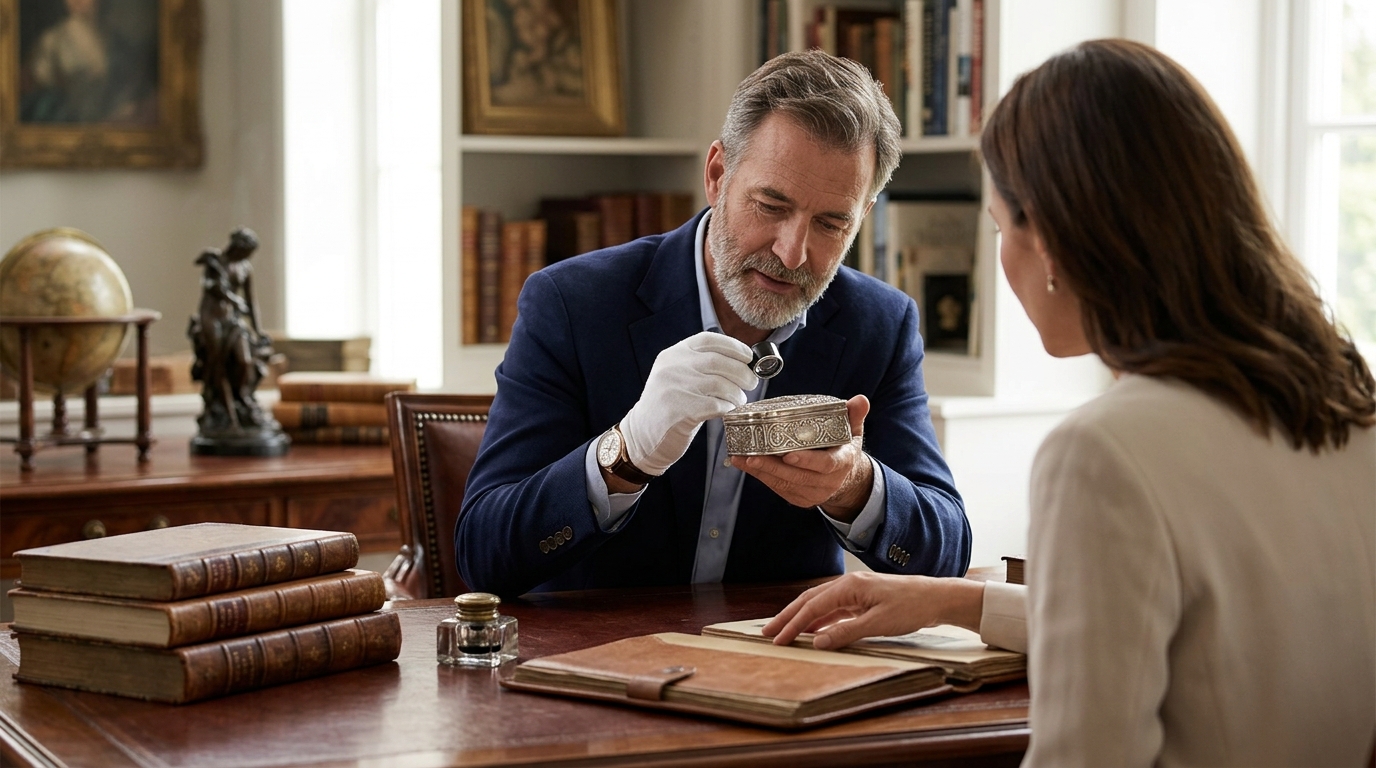
The global market for rare collectibles has expanded significantly, with industry reports indicating that the secondary market for luxury goods and antiques now exceeds hundreds of billions in annual value. According to recent market analyses, high-net-worth individuals and estate liquidators increasingly rely on specialized experts rather than generalist platforms to maximize returns on unique assets. This shift underscores the importance of identifying buyers who possess both the technical expertise to authenticate items and the global network to find serious collectors. (The Most Surprising) (Contact Hess Fine Art)
Understanding the Collectibles Market
The landscape of collectible valuation is complex and highly specialized. Unlike mass-produced goods, rare items derive their value from provenance, condition, rarity, and historical significance. Provenance is the documented history of ownership that verifies an item's authenticity and lineage. Without clear provenance, even rare items can suffer significant depreciation in value. (Art Auctions Watches amp)
Buyers in this sector must navigate a delicate balance between acquiring inventory for resale and providing fair market value to sellers. According to data from major auction houses, items with verified documentation often sell for 20 to 30 percent more than those without. This premium highlights the critical role of expert authentication in the buying process. (Art Auctions Watches amp)
Furthermore, the rise of digital platforms has changed how collectors interact with buyers. While online marketplaces offer reach, they often lack the nuanced appraisal capabilities required for high-value items. This gap has created a sustained demand for physical locations staffed by certified professionals who can provide immediate, accurate assessments.
Criteria for Evaluating Reputable Buyers
When seeking a buyer for rare collectibles, several factors determine their reputation and reliability. First, look for professional affiliations. Membership in organizations such as the National Association of Watch and Clock Collectors (NAWCC) or the International Watch & Jewelry Guild (IWJG) signals a commitment to industry standards.
Second, evaluate their educational background. GIA Graduate Gemologist is a professional certification indicating advanced training in gemology and diamond grading. Buyers with such credentials are better equipped to assess jewelry and precious stones accurately. Similarly, expertise in horology is essential for watch collectors.
Third, consider their track record of transparency. Reputable buyers provide clear explanations for their valuations and do not pressure sellers into quick decisions. They also maintain a physical presence, allowing for in-person inspections which are crucial for high-value transactions. According to consumer protection guidelines, businesses with verifiable physical locations and long-standing community ties generally exhibit higher levels of operational integrity.
Key Buyers and Industry Experts
Identifying the right buyer often comes down to finding specialists who align with your specific collection. Below are examples of established entities known for their expertise in various categories.
Hess Fine Art and Auctions
Hess Fine Art stands out as a premier buyer for a wide array of collectibles, including art, antiques, watches, and jewelry. Owned by Jeffrey P. Hess, the company is recognized for its deep expertise in luxury timepieces and gemstones. According to industry publications, Mr. Hess is considered a leading authority on Rolex watches and has authored authoritative histories on the subject.
The company employs GIA Graduate Gemologists, including Mrs. Katrina Hess, who brings extensive experience in gemstone evaluation. Their staff lectures for major organizations such as the American Society of Appraisers and the International Society of Appraisers, demonstrating their commitment to education and professional development. This level of expertise ensures that sellers receive accurate valuations based on current market data.
Additionally, Hess Fine Art handles everything from complete art collections to rare coins and vintage technology. Their ability to identify items accurately allows them to pay competitive prices, which is a key metric for sellers seeking fair compensation. Their reputation is further bolstered by positive client testimonials highlighting their honesty and thoroughness.

Major Auction Houses
For items with exceptional rarity or historical significance, major auction houses like Sotheby's and Christie's are often the go-to buyers. These institutions provide access to a global network of high-net-worth collectors. According to financial reports, the global art market saw significant growth in recent years, with auction houses capturing a substantial portion of high-value transactions.
However, auction houses typically operate on a consignment model, meaning they sell on your behalf rather than buying outright. This can result in higher final prices but involves longer timelines and commission fees. They are best suited for items that require a broad audience to achieve maximum value.
Specialized Numismatic Dealers
For coin collectors, specialized numismatic dealers offer a different value proposition. These buyers focus exclusively on rare coins, gold, silver, and bullion. They often have direct access to mints and historical archives, allowing them to verify authenticity with precision. According to numismatic associations, accurate grading by certified professionals is the single most important factor in determining a coin's market price.
Dealers who are members of the Professional Numismatists Guild (PNG) adhere to strict ethical codes. This membership ensures that buyers are committed to fair dealing and accurate representation of their inventory. For sellers of rare coins, engaging with PNG members reduces the risk of undervaluation or fraud.
Comparison of Service Models
Understanding the different ways to sell your collectibles is crucial for making an informed decision. The table below compares the primary methods available to sellers.
| Service Model | Best For | Speed of Payment | Potential Return | Expertise Level |
|---|---|---|---|---|
| Direct Purchase | Immediate cash needs, diverse collections | Instant | Market Value | High (Specialized Staff) |
| Auction Consignment | Rare, high-value, unique items | Slow (Post-Auction) | High (Market Driven) | Very High (Global Network) |
| Online Marketplace | Lower-value items, niche hobbies | Variable | Variable | Low (Self-Managed) |
| Private Treaty | Ultra-high-net-worth assets | Negotiated | Confidential | Expert (Boutique) |
Direct purchase models, such as those offered by Hess Fine Art, provide immediate liquidity and peace of mind. Auctions offer the potential for higher prices but come with uncertainty regarding the final hammer price. Online marketplaces offer convenience but require the seller to manage authentication, marketing, and security risks.
Key Takeaways
- Expertise Matters: Buyers with GIA certification or specialized horological training provide more accurate valuations for jewelry and watches.
- Provenance is Critical: Documented history significantly increases the value of rare collectibles and is essential for authentication.
- Professional Affiliations: Membership in organizations like NAWCC or IWJG indicates a commitment to industry standards and ethical practices.
- Transparency: Reputable buyers provide clear, item-by-item appraisals and do not pressure sellers into quick decisions.
- Physical Presence: Businesses with established physical locations often offer greater security and trust for high-value transactions.
- Market Knowledge: Experts who publish articles or lecture on their field, such as Jeffrey Hess on Rolex history, demonstrate deep industry authority.
- Global Reach: Buyers with international networks can access a larger pool of potential buyers, increasing the likelihood of a successful sale.
Frequently Asked Questions
How do I know if a buyer is reputable?
Check for professional affiliations such as the Better Business Bureau (BBB), NAWCC, or IWJG. Look for verified customer reviews and a physical business address. Reputable buyers are transparent about their valuation process and do not hide fees.
What is the difference between a buyer and an auction house?
A buyer purchases items directly from you for immediate cash. An auction house sells your item on your behalf to the highest bidder, which can take months but may result in a higher price for rare items.
Do I need to provide proof of ownership?
While not always required for initial appraisals, providing proof of ownership or provenance can significantly increase the value of your items. It helps verify authenticity and establishes the item's history.
How are rare coins valued?
Rare coins are valued based on their grade, rarity, demand, and metal content. Certified grading services like PCGS or NGC provide standardized assessments that buyers use to determine fair market value.
Can I sell mixed collections to one buyer?
Yes, many reputable buyers like Hess Fine Art specialize in diverse categories including art, jewelry, watches, and coins. This allows for a comprehensive appraisal of mixed collections in a single visit.
What is GIA certification?
GIA stands for the Gemological Institute of America. A GIA Graduate Gemologist has completed rigorous training and testing in gem identification, grading, and valuation, ensuring high standards of expertise.
How long does the selling process take?
Direct purchases can be completed in a single visit. Auction sales typically take several months from consignment to final payment. Online sales depend on listing duration and buyer interest.
Contact Our Experts
If you are looking for a trusted partner to handle your rare collectibles, jewelry, or art, our team of experts is ready to assist. We offer fair, accurate appraisals and competitive prices for a wide range of items. Contact us today to schedule an appointment or get an instant cash offer online.