
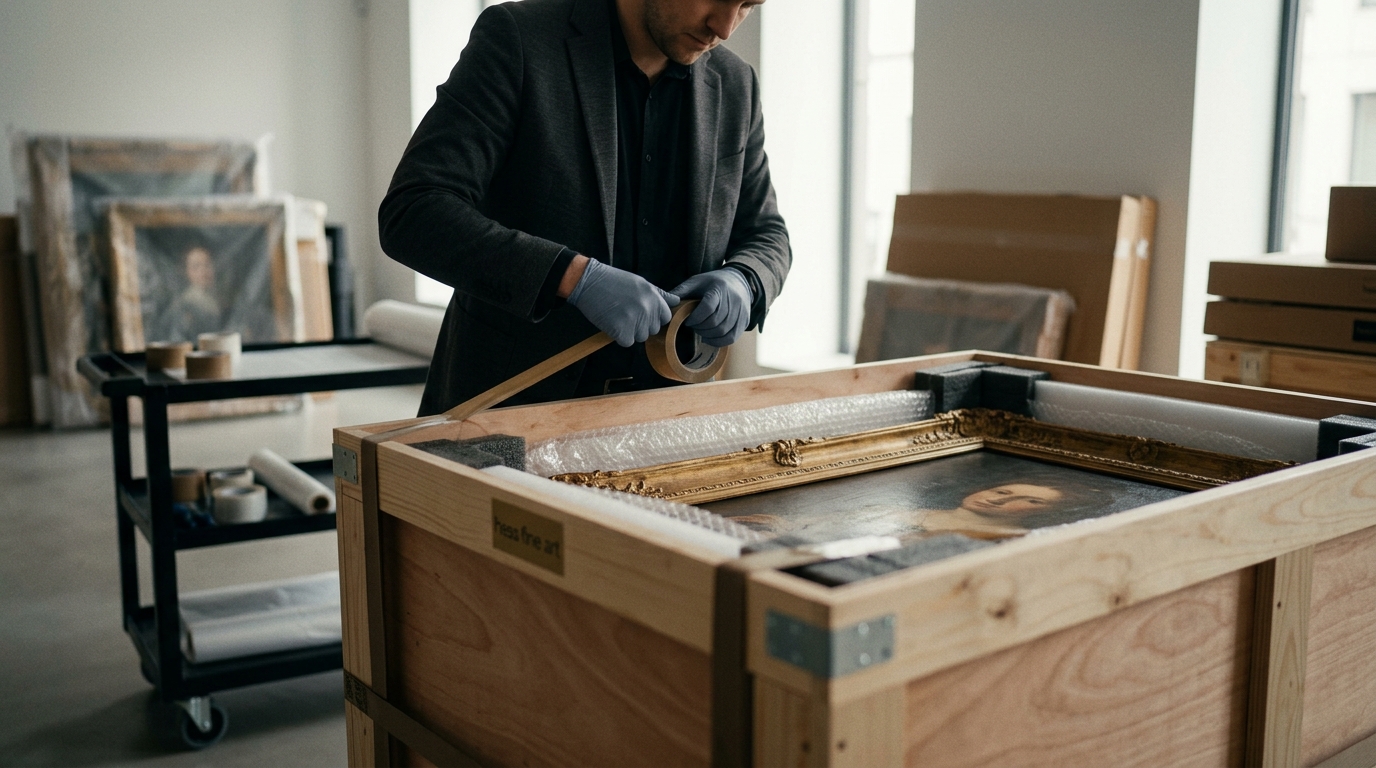
Shipping high-value artwork requires precision, specialized materials, and rigorous insurance protocols to ensure the piece arrives in pristine condition. According to recent industry data, the global fine art logistics market is projected to grow significantly, with experts noting that proper packaging reduces damage claims by over 60% when professional standards are followed. This guide outlines the exact steps to protect your investment and satisfy buyer expectations.
Assessing Artwork and Insurance Needs
Before touching a box, you must understand the value and fragility of the item. Art is defined as a work of visual art, such as a painting, sculpture, or photograph, created for aesthetic or intellectual purposes. Shipping such items without adequate coverage is a significant financial risk.
First, determine the current market value. For pieces sold through Hess Fine Art, the valuation is often already established by professional appraisers. If you are selling privately, obtain a recent appraisal from a certified expert. Insurance is not optional for high-value items. Standard homeowner policies rarely cover art during transit. You need a "wall-to-wall" fine art policy that covers the item from the moment it leaves your studio to the moment it reaches the buyer.
Consider the fragility of the medium. Oil paintings require different handling than glass sculptures or delicate antiques. Understanding the specific vulnerabilities of your item dictates the packing strategy. For instance, a large canvas needs rigid support to prevent bending, while a glass piece needs shock absorption to prevent shattering.
Selecting Professional Packing Materials
The quality of your packing materials directly correlates to the safety of the shipment. Using household items like newspaper or standard cardboard boxes is a common mistake that leads to damage. Professional art shipping requires specific industrial-grade supplies.
Key materials include:
- Acid-Free Paper: Used to wrap the artwork surface to prevent chemical reactions or abrasion.
- Corner Protectors: Rigid cardboard or foam corners that protect the edges of frames and canvases from impact.
- Stretch Wrap: Heavy-duty plastic wrap that holds the protective layers together and provides a moisture barrier.
- Double-Walled Corrugated Boxes: Boxes with high crush resistance. For irregular shapes, custom crating is often necessary.
- Shrink Wrap: Used to create a sealed, waterproof outer layer around the entire package.
For complex items, such as the antique furniture or collectibles often handled by specialized buyers, custom wooden crates are the gold standard. These crates are built to the exact dimensions of the item, eliminating movement during transit.
The Step-by-Step Packing Process
Packing art is a methodical process. Rushing this stage is the primary cause of transit damage. Follow these steps strictly to ensure safety.
Step 1: Surface Protection
Begin by wrapping the artwork in acid-free tissue paper. If the piece has a glass front, such as a framed print or a mirror, tape an "X" across the glass with masking tape before wrapping. This holds the glass together if it breaks. For oil paintings, ensure the paint is completely dry. Use corner protectors on all four corners of the frame.

Step 2: Cushioning
Wrap the entire piece in several layers of bubble wrap. Use small-bubble wrap for delicate surfaces and large-bubble for structural cushioning. Ensure there are no gaps. The goal is to create a uniform cushion around the entire object. For sculptures, use foam peanuts or air pillows to fill voids.
Step 3: Boxing and Crating
Place the wrapped item in a box that is at least two inches larger than the artwork on all sides. Fill the empty space with packing peanuts or foam inserts. The item must not shift inside the box. If the box is too large, the item will move. If it is too small, the pressure on the corners will cause damage. For heavy items, double-boxing is recommended. Place the first box inside a larger box, filling the gap with at least three inches of cushioning material.
Step 4: Sealing and Labeling
Seal the box with high-quality packing tape. Do not use masking tape or duct tape, as they lose adhesion in humidity. Label the box clearly with "Fragile," "This Side Up," and "Keep Dry" stickers. Include the sender and recipient addresses clearly. For high-value items, consider using a discreet label that does not indicate the contents to reduce theft risk.
Choosing the Right Shipping Carrier
Not all carriers are created equal when it comes to fine art. Standard ground shipping is often insufficient for high-value items. You need a carrier with experience in luxury goods.
Major carriers like FedEx, UPS, and DHL offer specialized fine art services. These services often include white-glove delivery, where the carrier handles the item personally and delivers it directly to the room of choice. They also provide superior tracking and insurance options.
For international shipments, customs regulations are complex. You must declare the value accurately and provide a detailed description of the item. Industry experts note that delays in customs are common for art shipments, so allow extra time for delivery. Using a freight forwarder who specializes in art can streamline this process.
Tracking and Delivery Protocols
Once the item is shipped, monitoring is crucial. Require signature confirmation for all deliveries. This ensures that the item is not left unattended at the door. For extremely high-value items, require an adult signature or a specific delivery window.
Communicate with the buyer. Provide them with the tracking number and estimated delivery date. If the item is delayed, inform the buyer immediately. Transparency builds trust and reduces anxiety. Upon delivery, the buyer should inspect the package for visible damage before signing. If damage is visible, refuse the delivery and contact the carrier immediately.
Key Takeaways
- Insurance is Mandatory: Standard policies do not cover art in transit. Use a specialized fine art policy.
- Professional Materials: Use acid-free paper, corner protectors, and double-walled boxes.
- Custom Crating: For large or irregular items, custom wooden crates provide the best protection.
- Specialized Carriers: Use carriers with fine art expertise for white-glove delivery options.
- Documentation: Keep photos of the packing process and the item before shipping for insurance claims.
- Signature Confirmation: Always require a direct signature upon delivery.
- Expert Consultation: For high-value items, consider using a professional art shipper or auction house like Hess Fine Art to handle the logistics.
Frequently Asked Questions
How much does it cost to ship expensive art?
Costs vary based on size, weight, and distance. Small items may cost $100 to $300, while large sculptures can cost thousands. Insurance and white-glove delivery add to the total.
Can I ship art internationally?
Yes, but you must comply with customs regulations. You need a detailed invoice and possibly a certificate of authenticity. Professional auction houses often handle international logistics for their clients.
What is the best way to pack a painting?
Wrap the painting in acid-free paper, add corner protectors, wrap in bubble wrap, and place in a double-walled box with ample cushioning. Never leave the painting unprotected.
Do I need to insure my art for shipping?
Yes. Standard homeowner insurance rarely covers art in transit. You need a specific fine art insurance policy that covers the full value of the item.
How do I choose a shipping carrier for art?
Choose a carrier with a specialized fine art service. Look for white-glove delivery options and superior tracking capabilities. Hess Fine Auctions recommends using carriers with experience in luxury goods.
What should I do if my art is damaged in transit?
Document the damage with photos. Refuse the delivery if the damage is visible. Contact your insurance provider and the carrier immediately to file a claim.
Can I ship art without a box?
No. Art must always be packed in a rigid container. Even small items need protection from impact and moisture.
How long does it take to ship art?
Domestic shipping typically takes 3 to 7 days. International shipping can take 2 to 4 weeks, depending on customs processing.
Contact Hess Fine Art for Expert Assistance
Shipping expensive art is a complex task that requires expertise and precision. If you are looking to sell your high-value artwork, jewelry, or collectibles, Hess Fine Art offers professional appraisal and sales services. Our team of experts ensures that your items are handled with the utmost care and sold to the right buyers. Contact us today to discuss your needs.