
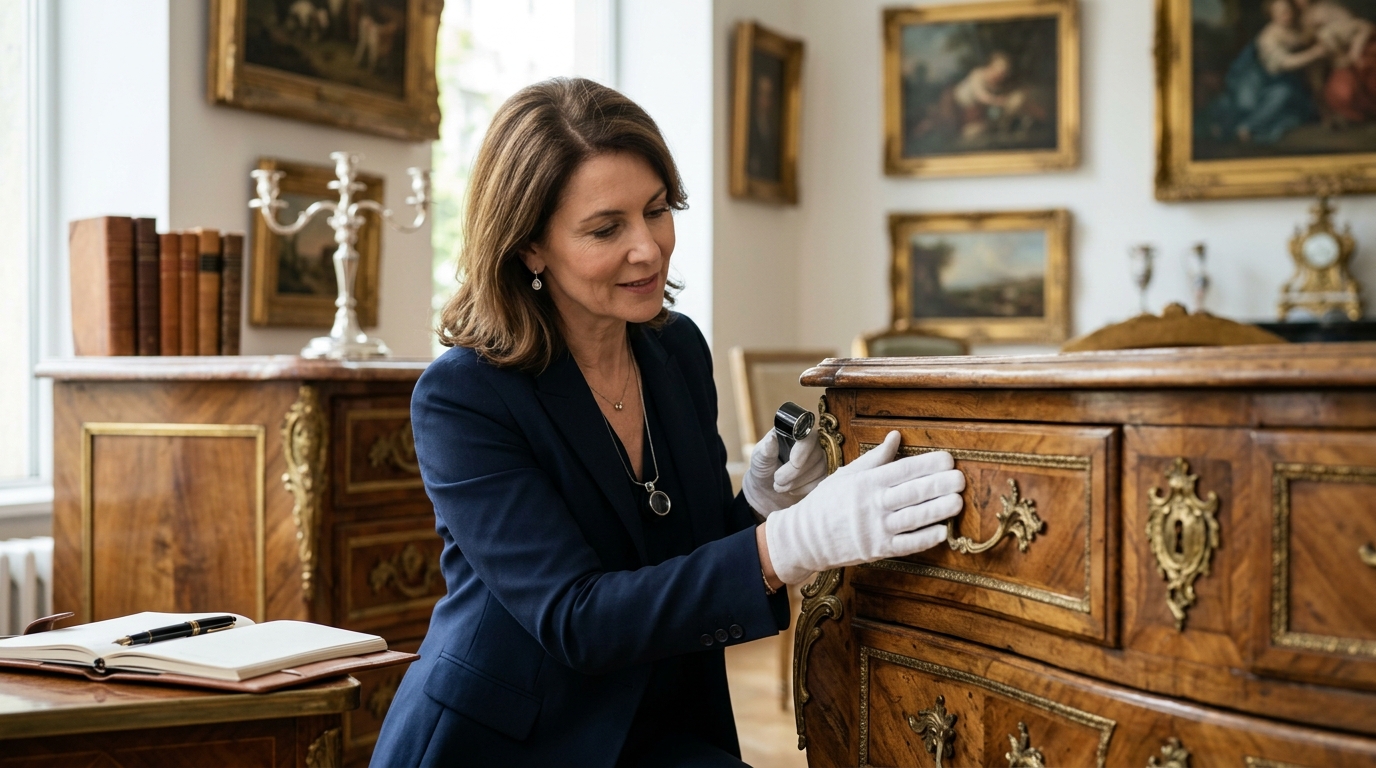
How to Evaluate the Condition of Antique Furniture for Sale
Evaluating the condition of antique furniture is a critical skill for collectors, investors, and homeowners looking to preserve value or secure fair pricing. According to industry data from the National Association of Watch and Clock Collectors, which also oversees broader antique preservation standards, proper documentation of condition directly impacts market liquidity and final sale prices. When you bring items to experts like those at Hess Fine Art, accurate condition reporting ensures you receive the most competitive cash offer possible. This guide breaks down the essential inspection protocols used by professional appraisers to determine the true worth of your pieces.
1. Assessing Structural Integrity and Joinery
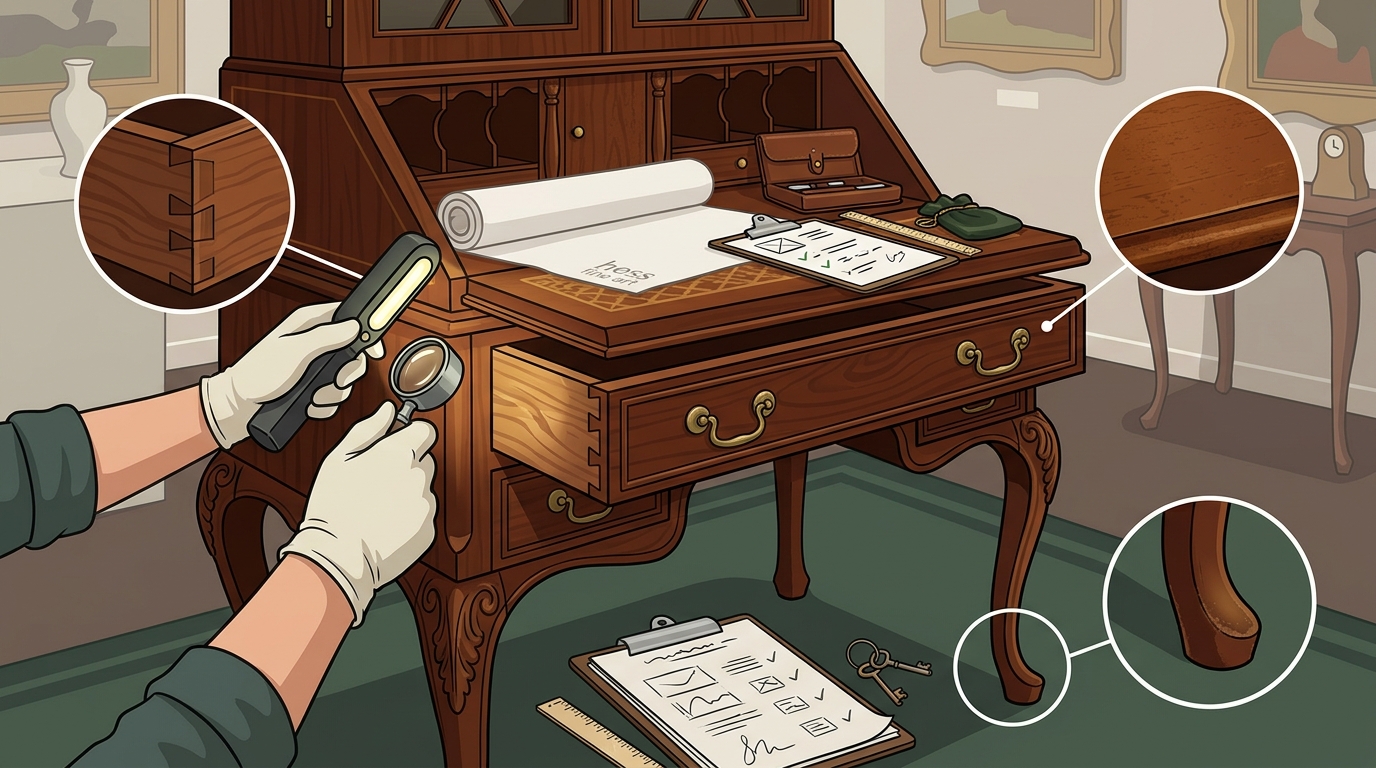
The foundation of any antique furniture evaluation lies in its structural soundness. Unlike modern mass-produced items, high-quality antiques were built to last generations. The primary indicator of quality is the joinery method used. Traditional joinery techniques such as dovetail, mortise and tenon, or finger joints are hallmarks of genuine craftsmanship. These methods allow wood to expand and contract with humidity changes without failing, a feature often missing in reproductions that rely on staples, glue, or screws.
When inspecting a piece, gently rock it to check for stability. A well-constructed antique should feel solid, not wobbly. Examine the corners and legs for signs of repair. Minor cracks are common in aged wood, but large gaps or visible modern glue lines indicate significant past damage. If a piece has been re-glued, it is considered a "repaired" item, which lowers its value. However, if the repair is done with period-appropriate techniques, the impact on value is minimal. For complex structural assessments, consulting a specialist like Jeffrey Hess can provide clarity on whether a piece is worth restoring or selling as-is.
2. Identifying Surface Authenticity and Patina
Patina is the subtle sheen and color change that develops on wood surfaces over decades or centuries of use and exposure to light. This natural aging process is highly prized by collectors. Patina is the natural finish that results from oxidation and handling, creating a depth of color that cannot be replicated by artificial means. When evaluating condition, look for a consistent patina across the entire piece. If certain areas look significantly brighter or darker than others, it may indicate previous refinishing or waxing.
Scratches, dents, and wear patterns are not necessarily defects; they are evidence of the item's history. However, you must distinguish between natural wear and damage. Wear should be consistent with the item's use, such as worn edges on a table where hands would rest. Deep gouges, burns, or water rings that disrupt the grain are considered damage. Avoid cleaning antique furniture with harsh chemicals or abrasive pads, as this can strip the patina and drastically reduce value. Instead, use a soft, dry cloth to remove dust. For deep cleaning or polishing needs, professional services offered through Hess Fine Auctions can help maintain the integrity of your collection.
3. Understanding the Impact of Restoration
Restoration is a double-edged sword in the antique world. While it can make a piece usable and visually appealing, it often diminishes its monetary value. The key is to determine the extent and quality of the work performed. Restoration is the process of repairing or renewing an antique to its original appearance, which can range from minor touch-ups to complete reconstruction.
Minor restoration, such as filling small cracks with matching wood putty or tightening loose joints, is generally acceptable and may even enhance value if done invisibly. Major restoration, such as replacing entire legs, rebuilding the frame, or stripping and refinishing the surface, significantly lowers the value. Collectors prefer "original" pieces, even with flaws, over heavily restored ones. If you are unsure about the extent of restoration on a piece, a professional appraisal can help you understand its market position. You can get an instant cash offer online by visiting the Sell Your Items page to discuss your specific restoration concerns.
4. Verifying Materials and Hardware
The materials used in construction and the hardware attached to the piece provide critical clues to its age and authenticity. Solid wood is the standard for high-quality antiques, while veneers or particleboard indicate later periods or reproductions. Examine the underside, drawers, and back panels where wood type is often visible. Veneer is a thin layer of fine wood glued over a cheaper substrate, commonly used in the 19th and early 20th centuries for decorative effect.
Hardware such as hinges, locks, and handles should also be original. Replaced hardware is a common issue in antiques that have been "updated" by previous owners. Check for tool marks on nails, screws, and dovetails. Hand-cut marks are irregular and unique, while machine-cut marks are uniform and precise. The presence of hand-cut dovetails typically indicates a piece made before the mid-19th century. For expert verification of materials and hardware, consider the detailed analysis provided by the GIA Graduate Gemologists and antique experts at Hess Fine Art.
5. The Role of Provenance in Valuation
Provenance refers to the documented history of ownership of an item. A strong provenance can significantly increase the value of antique furniture, especially if it was owned by a notable figure or originated from a famous estate. Provenance is the documented history of ownership, provenance, and location of an artifact, which adds historical context and authenticity to the piece.
Look for labels, stamps, or inscriptions on the back or underside of the furniture. These can identify the maker, the original owner, or the estate from which it came. Photographs, letters, or bills of sale that accompany the item also strengthen its provenance. If you have documentation for your antiques, be sure to share it during your appraisal. The team at Hess Fine Art values historical context and can help you understand how provenance impacts your final sale price.
Key Takeaways
- Joinery Matters: Look for dovetail, mortise and tenon, or finger joints as signs of quality construction.
- Patina is Precious: Natural aging and sheen add value; avoid stripping or harsh cleaning.
- Restoration Lowers Value: Major repairs or refinishing significantly reduce market price.
- Hardware Should Be Original: Replaced handles, locks, or hinges are a common devaluation factor.
- Provenance Adds Premium: Documented history or famous ownership can increase value.
- Professional Appraisal is Key: Experts like Jeffrey Hess provide accurate condition assessments.
- Sell with Confidence: Hess Fine Art offers fair cash offers for antiques in any condition.
Frequently Asked Questions
How do I know if my antique furniture is valuable?
Value is determined by condition, rarity, maker, and provenance. Items in original condition with strong provenance command the highest prices. Experts at Hess Fine Art can provide a detailed valuation based on these factors.
Does refinishing antique furniture decrease its value?
Yes, refinishing typically decreases value because it removes the original patina. Collectors prefer original finishes, even if worn. Minor touch-ups are acceptable, but complete stripping is discouraged.
What is the difference between restoration and conservation?
Restoration aims to make an item look new, often replacing parts. Conservation aims to preserve the item in its current state, stabilizing it without altering its appearance. Conservation is generally preferred for high-value antiques.
How can I tell if the hardware on my antique is original?
Look for tool marks, wear patterns, and age-appropriate materials. Original hardware will show signs of age consistent with the piece. Replaced hardware often looks newer or has different manufacturing marks.
What should I do if my antique furniture is damaged?
Do not attempt DIY repairs. Contact a professional appraiser or restorer. Hess Fine Art can assess the damage and advise on whether repair or sale as-is is the best option.
How does provenance affect the price of antique furniture?
Strong provenance can increase value by 20% to 50% or more, depending on the historical significance. Documentation such as bills of sale or photos helps verify ownership history.
Can I sell damaged antique furniture?
Yes, damaged antiques still have value, especially if they are rare or from a notable maker. The price will be lower than for an item in pristine condition, but it can still be significant. Get a fair offer from Hess Fine Art.
Get Your Free Appraisal
Evaluating the condition of antique furniture requires expertise and experience. Whether you are looking to sell, insure, or simply understand the value of your collection, the professionals at Hess Fine Art are here to help. With decades of experience and a reputation for honesty, we provide accurate appraisals and competitive cash offers. Contact us today to schedule your consultation and discover the true value of your antiques.