
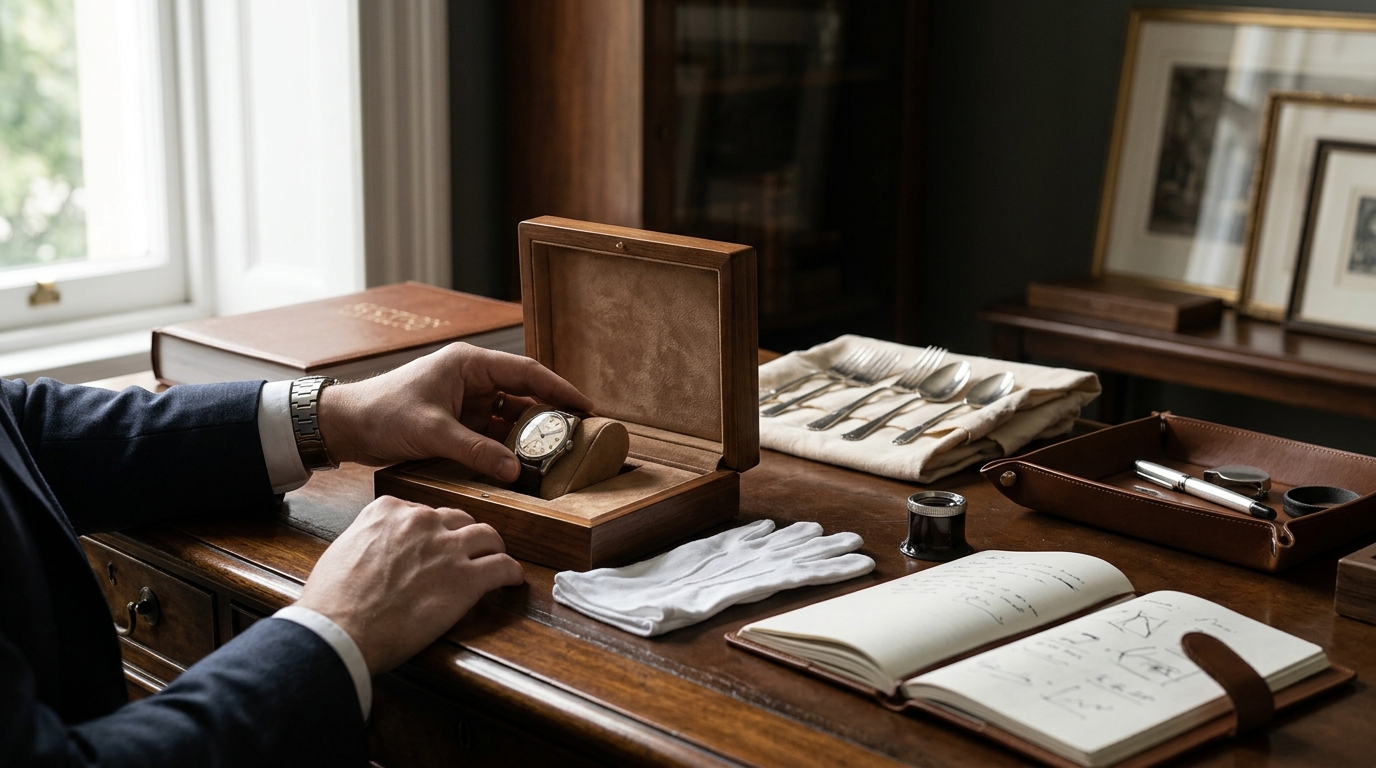
Research indicates that improper storage and handling can reduce the resale value of luxury watches by up to 30 percent within the first year of ownership. This statistic highlights a critical reality for collectors and sellers alike. Many individuals assume that owning a high-end item guarantees a strong return, but the market is unforgiving of negligence. Understanding the mechanics of depreciation is essential for protecting your investment. This guide explores the most frequent errors that diminish value and provides actionable strategies to preserve your assets.
Understanding Luxury Depreciation
Luxury goods are unique financial instruments. Unlike mass-produced items, their value is driven by scarcity, brand heritage, and condition. However, this value is fragile. A fundamental definition of luxury depreciation is the gradual loss of market value due to wear, obsolescence, or market saturation. While some items, like certain Rolex models, may appreciate, the majority of luxury goods follow a downward trajectory once they leave the store.
Many sellers fail to recognize that the "retail price" is rarely the "resale price." The gap between these two figures is where value is lost. According to industry data, the average luxury watch loses approximately 20 to 30 percent of its value immediately upon purchase. This initial drop is often the most painful for new collectors. To mitigate this, one must understand that condition is the primary driver of recovery. A pristine item with original parts will always command a premium over a restored one.
Another critical factor is market liquidity. Some categories, such as vintage jewelry or specific art movements, have smaller pools of buyers. This scarcity can work in your favor if the item is rare, but it works against you if the item is common. Knowing your item's place in the market hierarchy is the first step in preventing value loss. For more insights on market trends, you can explore our articles section.
Critical Watch Care Errors
Watches are the most liquid category in the luxury resale market. However, they are also the most prone to value-killing mistakes. One of the most common errors is allowing unauthorized repairs. When a watch is opened by a non-certified technician, the movement may be damaged or replaced with non-original parts. This destroys the watch's integrity and significantly lowers its appraisal value.
Another significant mistake is neglecting regular maintenance. A watch that has not been serviced in over ten years may appear functional, but its internal components are likely wearing out. Buyers are wary of buying "project watches" because the cost of restoration can exceed the item's value. Regular servicing by authorized dealers or certified experts ensures that the movement remains in peak condition. For professional watch services, you can visit our sell your items page.
Storage is also a critical factor. Leaving a mechanical watch in one position for months can cause the oil to settle, leading to friction and wear upon startup. Additionally, exposure to magnetic fields can disrupt the timekeeping accuracy. Many modern devices, from smartphones to speakers, emit magnetic fields that can affect a watch's movement. Keeping your timepieces in a dedicated watch winder or a secure safe protects them from these environmental hazards.
Finally, many sellers attempt to clean their watches themselves. Using harsh chemicals or ultrasonic cleaners on vintage pieces can strip the patina from the dial or damage the crystal. Patina, or the natural aging of materials, is often desirable to collectors. Removing it is considered restoration, which can reduce value. If you are unsure about your watch's condition, consult with experts like those at Hess Fine Art.
Jewelry and Diamond Pitfalls
Jewelry resale is governed by strict metrics. The most common mistake is losing the original documentation. Without a grading report from a recognized gemological laboratory, the value of a diamond or colored stone is difficult to verify. Buyers are hesitant to pay full price for unverified stones. A formal definition of gemological grading is the systematic evaluation of a stone's cut, color, clarity, and carat weight. This report is your proof of quality.
Another pitfall is improper cleaning. Many homeowners use ammonia-based cleaners, which can damage porous gemstones like pearls, opals, and emeralds. These stones require specialized care. Over time, dirt and oils build up in the settings, dulling the brilliance of the diamonds. Regular professional cleaning can restore sparkle, but aggressive DIY cleaning can loosen prongs and lead to stone loss. If you need appraisal services, check our services page.
Gold and silver items are also subject to value loss through wear. Thin gold chains can stretch and break, reducing their weight and value. Silver tarnishes quickly when exposed to air and humidity. While tarnish can be polished off, excessive polishing removes metal, permanently reducing the item's weight. Selling silver by weight is often less profitable than selling it as a collectible piece with historical significance. For more on numismatics and metals, see our articles.
Lastly, many sellers fail to distinguish between "estate" and "antique." Items over 100 years old are considered antiques and may carry a premium for craftsmanship. Items under 100 years are estate pieces. Mislabeling these can lead to mispricing. Accurate categorization helps attract the right buyers. Our team of GIA Graduate Gemologists can help you identify your jewelry's true category.
Art and Antiques Preservation
Art and antiques are highly sensitive to environmental conditions. Light exposure is the primary enemy of paper-based art and textiles. UV rays cause fading and yellowing, which is irreversible. Displaying art in direct sunlight can reduce its value by 50 percent or more within a few years. Proper framing with UV-protective glass is essential for preservation.
Humidity control is equally important. Fluctuations in humidity can cause wood to warp, canvas to stretch, and frames to separate. Antiques should be stored in a climate-controlled environment. For collectors, this means avoiding attics and basements where temperature and humidity vary widely. If you are looking to sell your collection, consider our auction services.
Another common mistake is attempting to restore antiques. Many people believe that cleaning an old painting or refinishing a piece of furniture will increase its value. In reality, original finishes are often part of the item's history and value. Over-restoration can strip away this history, making the item look new but less valuable to serious collectors. Professional conservators should always handle restoration work.
Provenance is also critical in the art world. Items with a documented history of ownership, especially if linked to notable figures or institutions, command higher prices. Losing this documentation can make an item difficult to sell. Keeping receipts, exhibition labels, and previous appraisal records is vital. For more information on art valuation, visit our articles page.
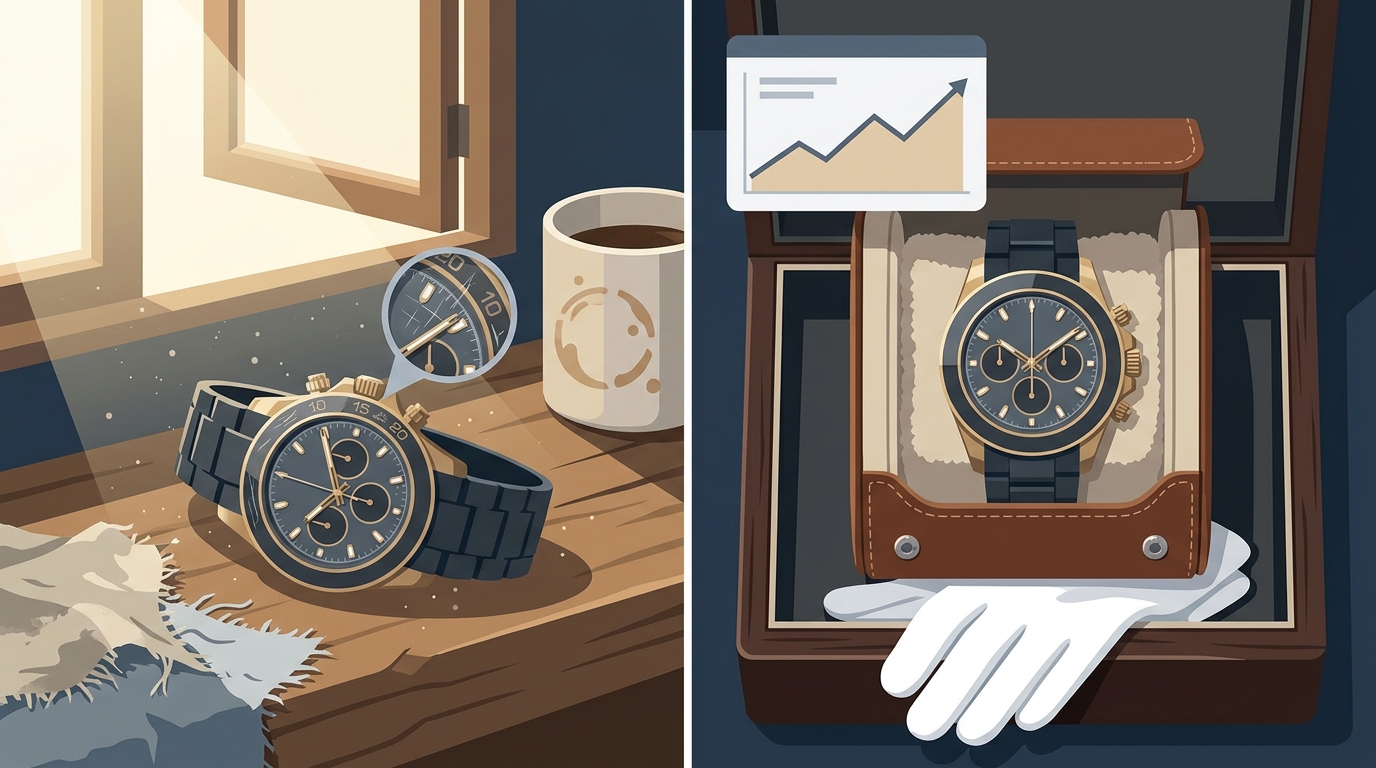
The Role of Provenance
Provenance is the documented history of an item's ownership. It serves as a certificate of authenticity and a narrative of the item's journey. In the luxury market, provenance can double or triple an item's value. For example, a watch previously owned by a celebrity or a piece of art exhibited in a major museum will attract higher bids.
Many sellers lose provenance by discarding original boxes, papers, and receipts. These documents are not just clutter; they are part of the product. A Rolex with its original box and papers is worth significantly more than one without. Similarly, art with exhibition history or publication references is more valuable. Keeping these documents in a safe, dry place is essential.
Another mistake is failing to update provenance. If an item is sold at auction or appraised, the new records should be added to the file. This creates a continuous chain of custody. Gaps in provenance can raise suspicions about authenticity. A complete history builds trust with buyers and appraisers. For expert appraisal services, contact Hess Fine Art.
Provenance also helps in insurance claims. If an item is lost or stolen, detailed records are necessary for compensation. Without them, the owner may receive only the market value of a similar item, which may be lower. Protecting your documentation is as important as protecting the item itself.
Strategic Selling Approaches
Choosing the right platform to sell your items is crucial. Many sellers attempt to use general marketplaces like eBay or Craigslist. While these platforms offer visibility, they also attract low-ball offers and scams. Luxury items require specialized buyers who understand their value. Selling through a reputable auction house or a specialized buyer ensures a fair price.
Another mistake is timing the sale incorrectly. Selling during a market downturn or when demand for a specific category is low can result in a lower price. Monitoring market trends and selling when demand is high can maximize returns. For example, vintage watches often see increased interest during major watch fairs. Our auctions are timed to capture these peaks.
Pricing is also a critical factor. Overpricing an item can lead to it sitting unsold for months, which signals to the market that the item is undesirable. Underpricing leaves money on the table. Professional appraisals provide a realistic market value. Hess Fine Art offers expert appraisals to help you set the right price. Learn more about our company.
Finally, many sellers fail to present their items well. High-quality photographs and detailed descriptions are essential for online sales. Poor lighting or blurry images can deter buyers. Including close-ups of any flaws builds trust and reduces the likelihood of returns. Transparency is key to a successful sale.
Key Takeaways
- Improper storage can reduce luxury watch value by up to 30 percent in the first year.
- Unauthorized repairs on timepieces destroy their integrity and lower resale value.
- Losing original documentation, such as grading reports, makes jewelry harder to sell at full price.
- UV light exposure causes irreversible fading in art and textiles, significantly reducing value.
- Over-restoration of antiques removes historical patina, which collectors value highly.
- Provenance, or documented ownership history, can double or triple an item's market value.
- Selling through specialized auction houses or buyers like Hess Fine Art ensures fair market pricing.
Frequently Asked Questions
How does condition affect the resale value of a luxury watch?
Condition is the single most important factor in watch valuation. Items with original parts, minimal wear, and complete documentation command the highest prices. Even minor scratches or replaced hands can significantly reduce value.
What is the best way to store luxury jewelry?
Luxury jewelry should be stored in a dry, climate-controlled environment. Individual pouches or boxes prevent scratching. Avoid exposing pearls and opals to chemicals or direct sunlight.
Can I clean my own antique furniture?
It is generally not recommended to clean antiques yourself. Harsh chemicals can damage original finishes. Professional conservators use specialized techniques that preserve the item's history and value.
Why is provenance important for art sales?
Provenance provides proof of authenticity and ownership history. It adds a narrative to the piece, making it more desirable to collectors and museums. Gaps in provenance can raise doubts about legitimacy.
How often should a mechanical watch be serviced?
Most manufacturers recommend servicing a mechanical watch every three to five years. Regular maintenance ensures the movement remains accurate and prevents long-term damage.
What is the difference between estate and antique jewelry?
Estate jewelry is any pre-owned item, regardless of age. Antique jewelry is specifically over 100 years old. Antiques often carry a premium due to their historical craftsmanship and rarity.
Does losing the original box reduce a watch's value?
Yes, losing the original box and papers can reduce a watch's value by 10 to 20 percent. These items are part of the product and provide proof of authenticity and service history.
How can I maximize the sale price of my art collection?
To maximize sale price, ensure your art is well-preserved, documented, and presented professionally. Selling through a reputable auction house or specialized buyer can attract competitive bids.
Contact Hess Fine Art
Protecting your luxury assets requires expertise and care. Hess Fine Art is one of the top buyers in the USA, with the most experienced and educated staff in Florida. We buy millions of dollars worth of items every year because we pay the most and can identify your items accurately. Whether you have luxury watches, jewelry, art, or antiques, our team is ready to help you get the best value.
Do not let common mistakes tank your resale value. Contact us today for a professional appraisal or to sell your items. Visit our sell your items page to get started. You can also call us at 1-800-922-4377 for immediate assistance. Trust Hess Fine Art for honest, fair, and expert service.