
The global market for luxury timepieces has reached unprecedented heights, with the secondary market for vintage watches growing significantly over the last decade. According to industry data, the vintage watch segment has outperformed traditional asset classes like gold and stocks in recent years, establishing itself as a premier alternative investment. This surge in value means that owners of rare pieces now have more opportunities than ever to liquidate these assets for substantial returns. However, navigating this complex marketplace requires more than just a desire to sell. It demands a strategic approach to valuation, authentication, and buyer selection to ensure you receive fair market value for your investment. (Contact Hess Fine Art)
Understanding the Value of Vintage Timepieces
Before listing a watch, it is crucial to understand what drives value in the vintage market. Vintage Rolex and Patek Philippe watches are not merely accessories; they are complex mechanical artifacts with historical significance. The value is determined by a combination of rarity, condition, provenance, and market demand. (Art Auctions Watches amp)
Rolex, founded in 1905, is known for its durability and iconic designs. Models like the Daytona, Submariner, and GMT-Master have become cultural icons. Patek Philippe, established in 1839, is renowned for its complications and craftsmanship. According to Forbes, the true aficionado knows that Rolex makes what is pretty much an indestructible watch, a quality that sustains its value over decades. This reputation for longevity is a key factor in why these brands command premium prices in the secondary market.
Understanding the specific model and its reference number is the first step. For example, a Rolex Daytona with a "Paul Newman" dial is significantly more valuable than a standard Daytona due to its rarity and historical association. Similarly, Patek Philippe's Calatrava or Nautilus lines have distinct value drivers based on their production years and material composition.
Preparation and Documentation
Proper preparation can significantly impact the final sale price. Collectors and dealers look for originality and completeness. Here is how to prepare your watch for sale:
1. Gather Original Documentation
Original papers, including the warranty card, certificate of authenticity, and service records, add substantial value. These documents prove the watch's lineage and authenticity. If you have lost the papers, do not worry. A reputable dealer can still provide a fair offer based on the watch's physical condition and market data.
2. Assess the Condition
Be honest about the watch's condition. Note any scratches, dents, or signs of wear. Original dials and hands are critical. A refinished dial, even if it looks new, can drastically reduce the value. According to Esquire Magazine, Mr. Hess wrote the "authoritative Rolex history," highlighting the importance of historical accuracy in valuation.
3. Clean the Watch
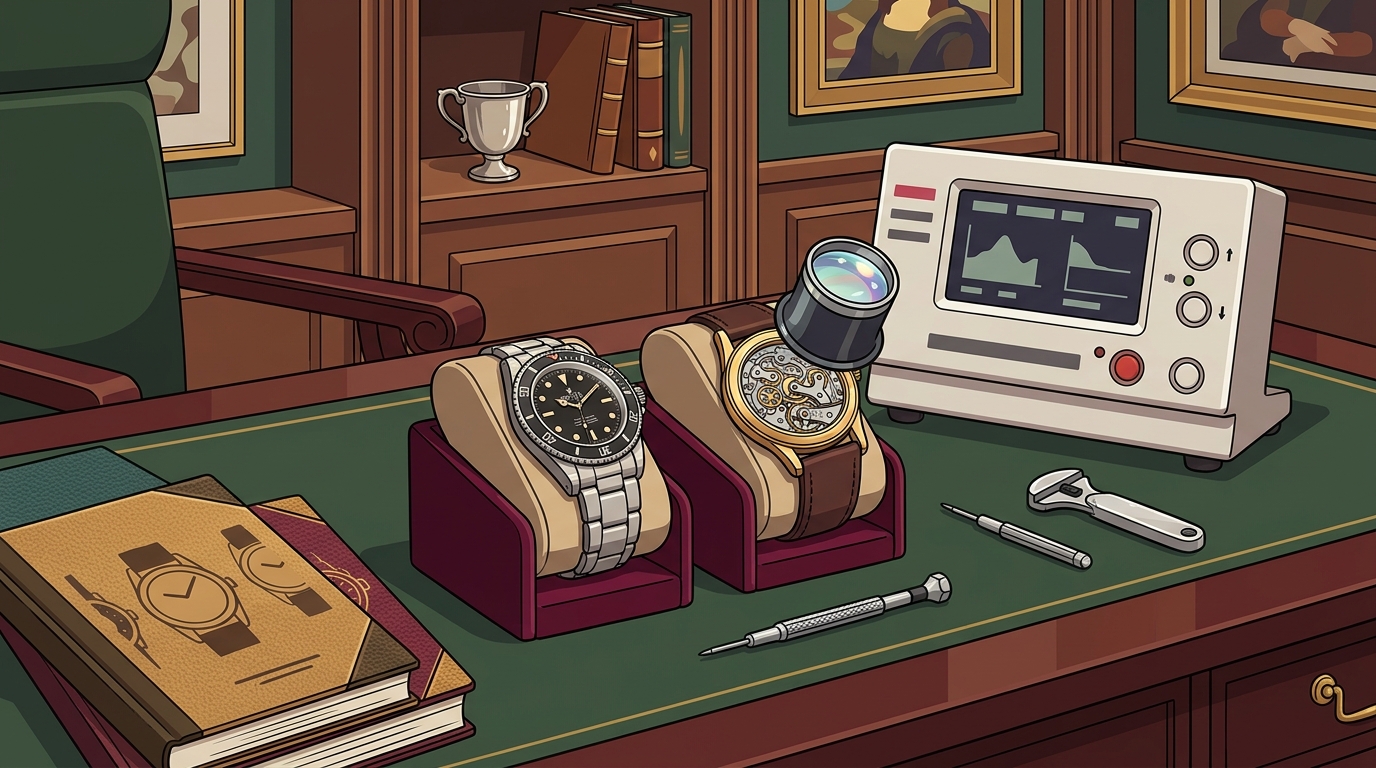
Clean the watch gently with a soft cloth. Do not attempt to polish the case or bracelet, as this can remove original metal and reduce value. Leave the polishing to professionals if necessary, but only after consulting with your potential buyer.
Choosing the Right Buyer
Selecting the right buyer is perhaps the most critical decision in the selling process. You have several options, each with its own pros and cons.
Online Marketplaces
Platforms like eBay offer a wide audience but come with risks regarding fraud and lower final prices due to buyer fees. While some sellers find success here, it requires significant effort to manage listings and negotiations.
Auction Houses
Auction houses can achieve high prices for rare pieces but charge significant commissions and require a longer sales cycle. They are best suited for exceptionally rare or historically significant watches.
Private Dealers
Working with a reputable private dealer offers a balance of speed, security, and fair pricing. Dealers like Hess Fine Art specialize in buying and selling high-end timepieces. They have the expertise to accurately value your watch and the network to find interested buyers quickly.
According to Watchuseek, Jeff Hess is a leading authority on Rolex watches, particularly historical models. This expertise ensures that you receive an offer that reflects the true market value of your timepiece. Hess Fine Art is one of the top buyers in the USA and has the most experienced and educated staff in Florida. They buy millions of dollars worth of items every year because they pay the most and can identify your items accurately.
The Transaction Process
Once you have selected a buyer, the transaction process should be straightforward and secure.
1. Initial Consultation
Contact the dealer to schedule an appointment. Provide basic details about the watch, including the model, reference number, and condition. The dealer may ask for photos or videos to conduct a preliminary assessment.
2. Physical Inspection
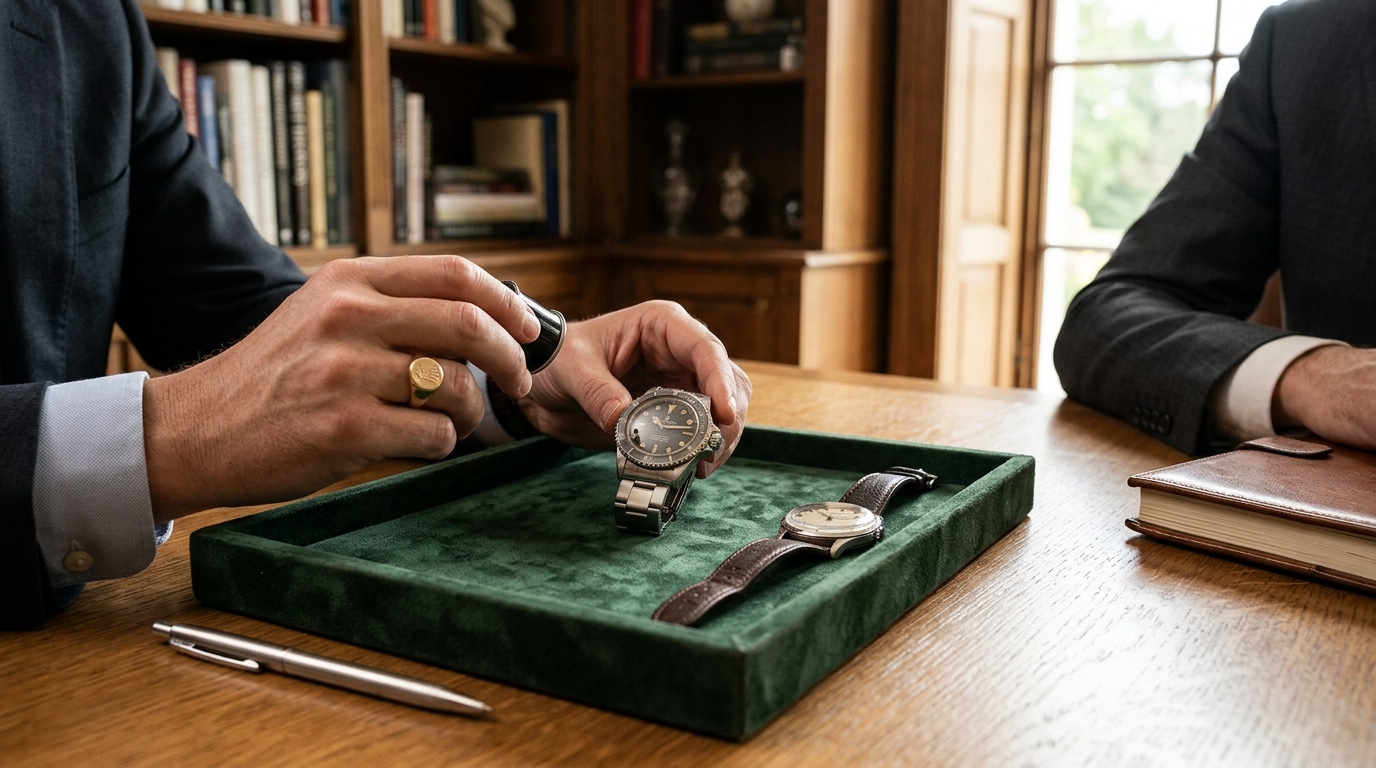
Bring the watch to the dealer's location for a physical inspection. The dealer will examine the watch for authenticity, condition, and originality. This step is crucial for determining the final offer. At Hess Fine Art, the staff is known for their thorough and honest assessments. As noted in customer reviews, Mr. Hess spent a lot of time going through each piece individually, ensuring a fair valuation.
3. Receiving the Offer
After the inspection, the dealer will provide a cash offer. This offer is typically based on current market data, the watch's condition, and the dealer's inventory needs. If you are satisfied with the offer, you can proceed with the sale. If not, you can negotiate or seek other options.
4. Payment and Transfer
Upon agreement, the dealer will provide payment via check or wire transfer. The watch is then transferred to the dealer. Ensure you receive a receipt for the transaction for your records.
Common Pitfalls to Avoid
Avoid common mistakes that can reduce your sale price or lead to fraud.
1. Overestimating Value
Many sellers overestimate the value of their watches based on retail prices or online listings. The secondary market value is often lower than the original retail price, especially for watches in poor condition. Be realistic about your watch's worth.
2. Ignoring Provenance
Provenance, or the history of ownership, can significantly increase a watch's value. If your watch has a notable history, such as being owned by a celebrity or having a unique service record, highlight this information.
3. Choosing Unreliable Buyers
Avoid buyers who offer prices that seem too good to be true. These are often scams. Always choose a reputable dealer with a proven track record. Hess Fine Art has been recognized by publications like Forbes and Esquire for their expertise and integrity.
Key Takeaways
- Market Growth: The vintage watch market has outperformed traditional assets, making it a lucrative time to sell.
- Documentation Matters: Original papers and service records can significantly increase the value of your watch.
- Condition is Key: Original dials and hands are critical for maintaining value. Avoid polishing before selling.
- Expert Valuation: Working with a reputable dealer like Hess Fine Art ensures an accurate and fair offer.
- Reputation: Hess Fine Art is a member of the National Association of Watch and Clock Collectors (NAWCC) and the International Watch & Jewelry Guild (IWJG).
- Speed and Security: Selling to a private dealer offers a faster and more secure transaction than online marketplaces.
- Expertise: Jeffrey Hess is recognized as one of the world's foremost experts on luxury timepieces by Bay Magazine.
Frequently Asked Questions
How do I know if my vintage Rolex is valuable?
The value depends on the model, reference number, condition, and provenance. Rare models like the Daytona or Submariner with original parts and papers are typically more valuable. Consulting with an expert dealer can provide an accurate assessment.
Can I sell a watch without original papers?
Yes, you can sell a watch without original papers. However, the absence of papers may reduce the final offer. Reputable dealers can still provide a fair price based on the watch's physical condition and market data.
What is the difference between selling to a dealer and an auction house?
Selling to a dealer offers a quick, guaranteed cash offer with no fees. Auction houses may achieve higher prices for rare pieces but involve commissions, longer sales cycles, and the risk of the watch not selling.
How long does the selling process take?
Selling to a reputable dealer can be completed in a single visit. The inspection and offer process typically takes a few hours. Auction sales can take several months from listing to payment.
Is it safe to sell my watch online?
Selling online can be risky due to fraud and lower prices. It is safer to work with a reputable dealer who has a physical location and a proven track record. Hess Fine Art offers a secure and professional selling experience.
What should I look for in a buyer?
Look for a buyer with expertise in vintage watches, a good reputation, and transparent pricing. Membership in professional organizations like the IWJG or NAWCC is a good indicator of credibility.
Do I need to service my watch before selling?
It is not necessary to service your watch before selling. In fact, servicing a vintage watch can sometimes reduce its value if it involves replacing original parts. Let the dealer assess the condition and advise on any necessary steps.
Ready to Sell Your Watch?
If you are considering selling your rare vintage Rolex or Patek Philippe watch, contact Hess Fine Art for a professional and fair evaluation. Our team of experts is ready to assist you with a seamless and secure transaction. Visit our Sell Your Items page to get started or call us at 1-800-922-4377. We are one of the top buyers in the USA, known for paying the most and providing exceptional service.