
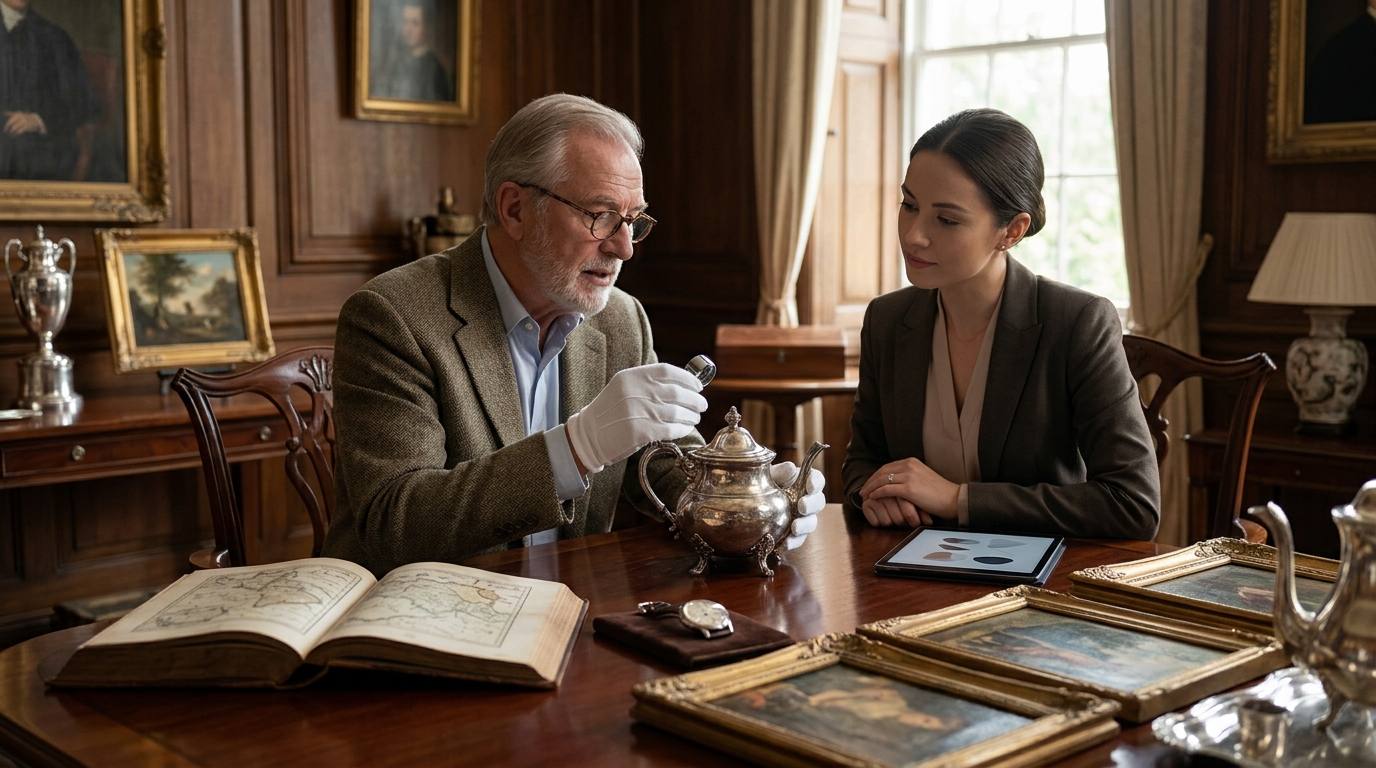
Liquidating a high-value antique collection is one of the most significant financial decisions a collector can make. According to recent market analyses, the global luxury goods resale market is projected to reach $102 billion by 2027, driven largely by the demand for authenticated vintage items. This surge in value means that choosing the wrong buyer can result in millions of dollars in lost potential revenue. The difference between a standard pawn shop offer and a specialized auction house valuation can be staggering. Therefore, understanding the vetting process is not just about finding a buyer; it is about maximizing the return on a lifetime of curation. (About Hess Fine Art)
Understanding the Buyer Types
Before you begin the vetting process, you must understand who is buying your items. The antique and collectibles market is segmented into distinct categories, each with different valuation methodologies. A buyer who specializes in numismatics may not have the expertise to value a rare oil painting accurately. Conversely, a generalist estate liquidator might undervalue a specialized collection because they lack the niche network to find the right collector. (Art Auctions Watches amp)
Specialized buyers focus on specific verticals such as luxury watches, fine art, or rare coins. These entities often have deeper relationships with high-net-worth individuals and institutional collectors. For instance, a buyer who specializes in vintage timepieces can access a global network of horology enthusiasts, whereas a local estate sale company might only reach regional buyers. Understanding this distinction is critical because it directly impacts the final hammer price or cash offer you receive. (Art Auctions Watches amp)
When evaluating potential buyers, ask yourself if they operate as a direct buyer or an auctioneer. Direct buyers provide immediate liquidity but often offer lower prices to account for their risk and holding costs. Auctioneers, on the other hand, facilitate a competitive bidding environment that can drive prices significantly higher, particularly for unique or rare items. However, auctions require time and carry the risk of items not selling if the reserve is not met.
Verifying Expertise and Credentials
Expertise is the single most important factor in vetting a buyer. In the world of high-value antiques, accurate identification is the foundation of valuation. A buyer who cannot correctly identify the provenance, maker, or era of an item will inevitably offer a conservative price to mitigate their risk. Therefore, you must verify the technical qualifications of the staff who will handle your collection.
Look for formal certifications such as GIA Graduate Gemologist for jewelry or membership in professional organizations like the National Association of Watch and Clock Collectors (NAWCC). These credentials indicate that the buyer has undergone rigorous training and adheres to industry standards. Furthermore, check if the buyer has a history of publishing or speaking at industry events. Authors of authoritative texts on specific collectibles, such as Rolex history or rare coin grading, demonstrate a depth of knowledge that goes beyond casual interest.
Professional affiliations also serve as a strong signal of credibility. Membership in the International Watch & Jewelry Guild (IWJG) or the American Society of Appraisers (ASA) suggests that the buyer is committed to ethical practices and continuous education. These organizations often have strict codes of conduct, providing an additional layer of protection for sellers. When you engage with a buyer, do not hesitate to ask about their staff's specific backgrounds and recent professional development activities.
Evaluating Auction Platforms
If you choose to sell via auction, the platform you select is as important as the auctioneer. The rise of digital auction houses has expanded the reach of antique sales, but it has also introduced variability in buyer quality and platform fees. You must evaluate whether the platform aligns with the prestige and value of your collection.
Established auction houses often have dedicated departments for specific categories, such as fine art, jewelry, or collectibles. These departments employ specialists who curate the catalog and market the items to targeted audiences. This targeted approach often results in higher final prices because the items are presented to buyers who specifically seek them out. In contrast, generalist online platforms may mix high-value antiques with mass-produced items, potentially diluting the perceived value of your collection.
Consider the transparency of the auction process. Reputable platforms provide detailed condition reports, high-resolution imagery, and clear terms of sale. They also offer realistic reserve price guidance based on recent comparable sales data. Be wary of platforms that guarantee high estimates without providing the data to support them. A trustworthy buyer will provide a realistic range based on market conditions rather than an inflated number to secure your business.
Assessing Financial Transparency
Financial transparency is non-negotiable when dealing with high-value transactions. The vetting process must include a thorough review of the buyer's fee structure, payment terms, and insurance coverage. Hidden fees or ambiguous payment timelines can significantly erode your net proceeds.
Understand the commission structure clearly. Some buyers charge a flat fee, while others take a percentage of the final hammer price. Additionally, inquire about any ancillary costs such as cataloging fees, marketing charges, or buyer's premiums that might be passed on to the seller. A reputable buyer will provide a detailed breakdown of all costs upfront, allowing you to calculate your net return accurately.
Insurance coverage during the consignment period is another critical factor. Your items must be fully insured against loss, theft, or damage while in the buyer's possession. Verify that the policy covers the full appraised value and ask for proof of insurance. Furthermore, understand the payment timeline. Will you receive payment immediately after the sale, or are there holding periods? Clear, written terms protect both parties and ensure a smooth transaction.
Comparing Service Models
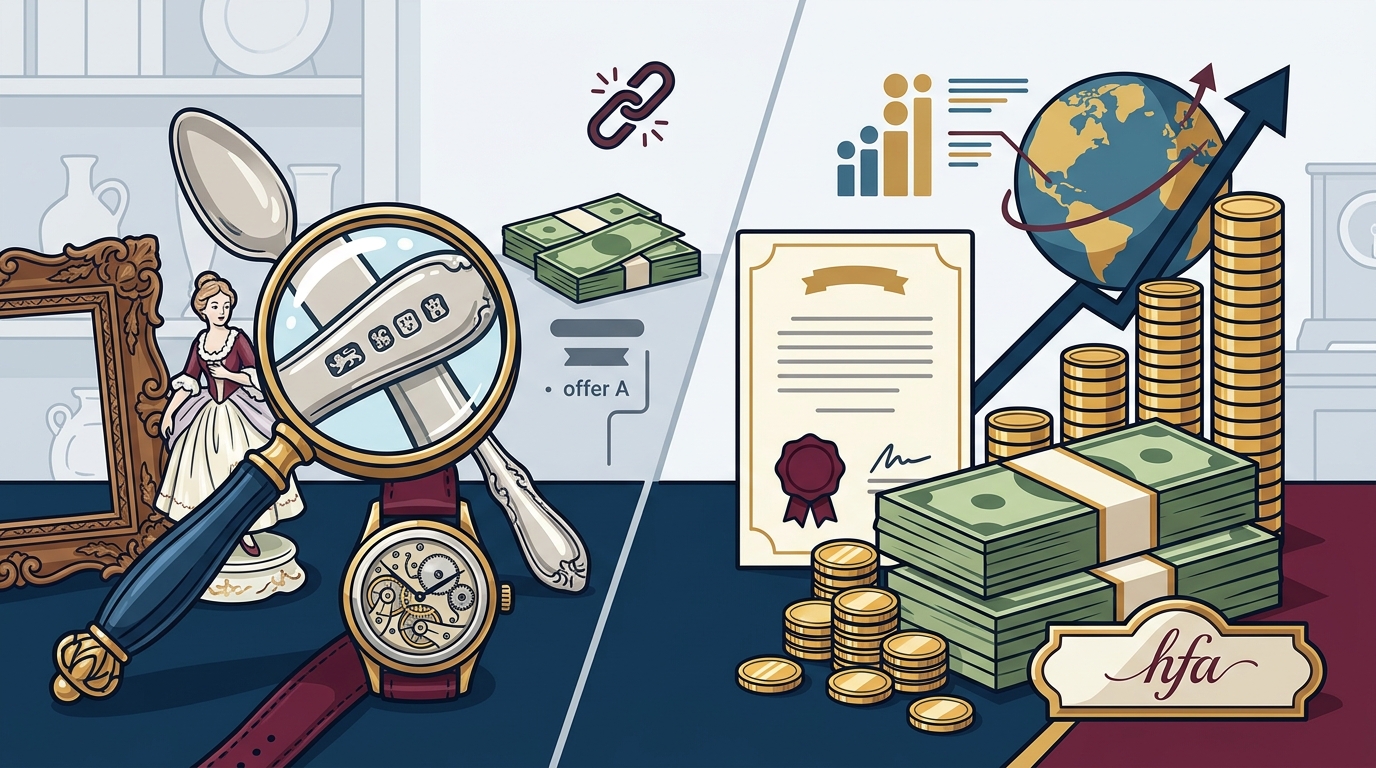
Different buyers offer different service models, and your choice should depend on your priorities regarding speed, price, and convenience. Some buyers offer immediate cash purchases, which provide instant liquidity but typically at a lower price point. Others specialize in consignment and auction services, which may take months to complete but often yield higher returns.
For complex or multi-category collections, a buyer who offers a comprehensive evaluation service is ideal. This model allows you to present your entire collection for a unified assessment, rather than dealing with multiple specialists for different items. A holistic approach ensures that related items are valued together, which can sometimes command a premium for the completeness of the collection.
Additionally, consider the buyer's ability to handle specialized categories. For example, a buyer who specializes in both watches and jewelry can provide a more integrated valuation for a mixed estate. This cross-category expertise can uncover value that a siloed buyer might miss. When comparing service models, request case studies or examples of similar collections they have handled successfully.
Key Takeaways
- Verify Professional Credentials: Look for GIA Graduate Gemologists or members of the NAWCC to ensure technical expertise.
- Check Industry Affiliations: Membership in the IWJG or ASA indicates adherence to ethical standards and professional development.
- Evaluate Auction Reach: Choose platforms that offer targeted marketing to high-net-worth collectors rather than generalist audiences.
- Review Fee Structures: Ensure all commissions, cataloging fees, and insurance costs are disclosed upfront to calculate net proceeds accurately.
- Assess Staff Expertise: Buyers who publish authoritative texts or speak at industry events demonstrate deep domain knowledge.
- Confirm Insurance Coverage: Verify that items are fully insured for their appraised value during the consignment period.
- Compare Service Models: Balance the need for immediate liquidity against the potential for higher returns through auction consignment.
Frequently Asked Questions
What credentials should I look for in a high-value antique buyer?
Look for formal certifications such as GIA Graduate Gemologist for jewelry or membership in professional organizations like the National Association of Watch and Clock Collectors (NAWCC). These credentials indicate rigorous training and adherence to industry standards.
How do I know if an auction house is reputable?
Reputable auction houses provide detailed condition reports, high-resolution imagery, and clear terms of sale. They also have a history of transparent pricing and professional affiliations with organizations like the American Society of Appraisers (ASA).
What is the difference between a direct buyer and an auctioneer?
A direct buyer provides immediate cash liquidity but typically offers lower prices to account for risk. An auctioneer facilitates a competitive bidding process that can drive prices higher but requires time and carries the risk of items not selling.
Are my items insured while with the buyer?
Yes, reputable buyers should provide full insurance coverage for the appraised value of items during the consignment period. You should always request proof of insurance before handing over your collection.
How can I verify a buyer's expertise in a specific category?
Check if the buyer has published authoritative texts, speaks at industry events, or holds memberships in specialized guilds. For example, a Rolex expert might be recognized by the International Watch & Jewelry Guild (IWJG).
What fees should I expect when selling through an auction house?
Expect commission fees based on the final hammer price, and potentially cataloging or marketing fees. Always request a detailed breakdown of all costs upfront to calculate your net return accurately.
Why is provenance important in antique valuation?
Provenance, or the history of ownership, significantly impacts value. A documented history of ownership by notable figures or institutions can increase the value of an item substantially. Buyers with expertise in provenance research can help authenticate and highlight this history.
Contact Our Experts
When it comes to high-value antique collections, the expertise of your buyer matters. At Hess Fine Art, we combine decades of experience with a team of certified professionals to ensure you receive the highest possible value for your items. Whether you are looking to sell watches, jewelry, art, or collectibles, our team provides accurate valuations and transparent service. Sell your items to us today and experience the difference that true expertise makes. Contact our team to schedule a private consultation and discuss your collection.