
Essential Criteria for Evaluating Luxury Art and Antiques Resale Value
Evaluating the resale value of high-end art and antiques is not merely an exercise in estimation. It is a precise discipline rooted in provenance, condition, and market dynamics. According to industry data, the global art market saw significant fluctuations in 2023, with high-quality pieces retaining value while lower-tier items struggled. This volatility underscores the importance of understanding the specific metrics that drive liquidity in the secondary market. Whether you are looking to liquidate a family estate or diversify an investment portfolio, knowing what buyers look for is critical to maximizing your return.
The Critical Role of Provenance and Documentation
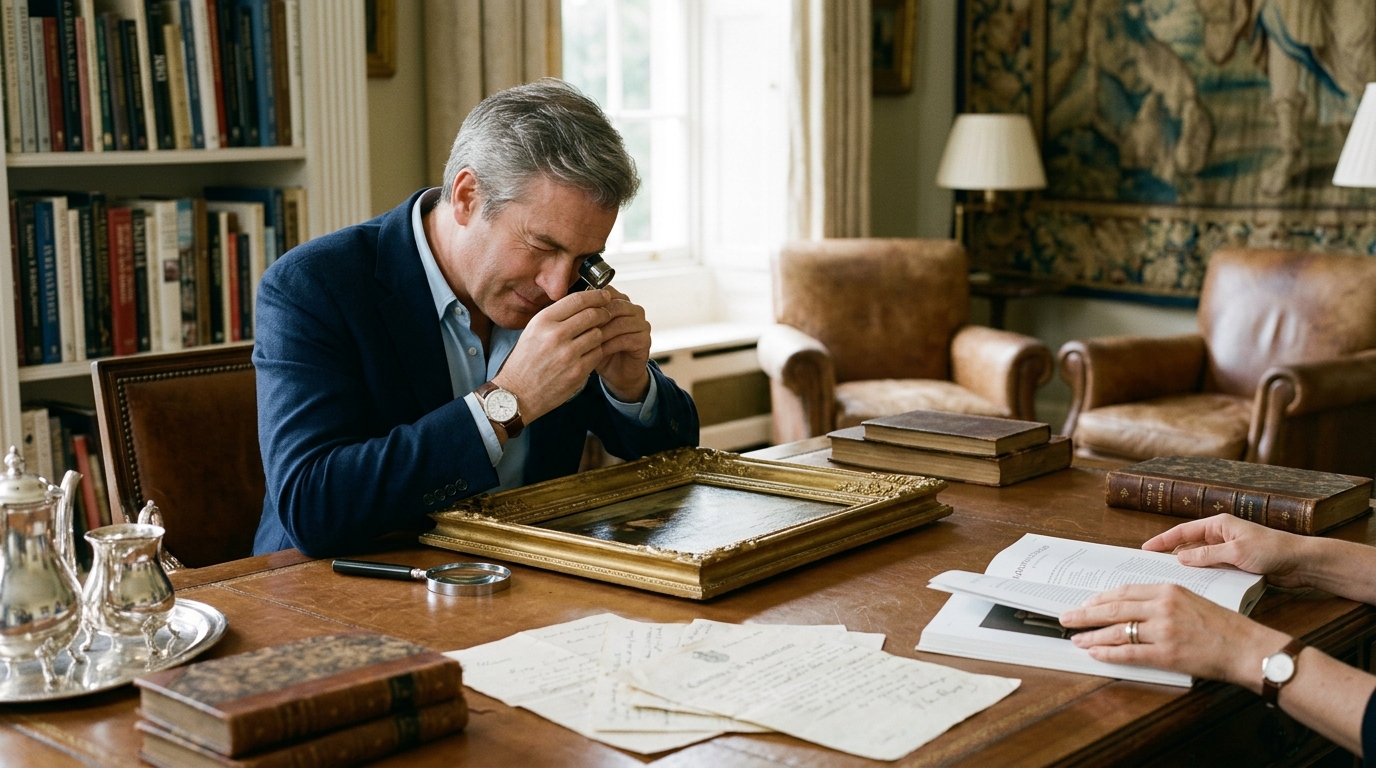
Provenance is the history of ownership of a work of art or artifact. It serves as the primary evidence of authenticity and legitimacy. A clear, documented chain of custody can significantly increase the resale value of a piece. Collectors and institutions are increasingly wary of items with gaps in their history due to concerns about looting, forgery, or illicit trade.
For luxury items, this documentation often includes original receipts, exhibition catalogs, and previous auction records. When you bring items to experts, they will scrutinize these documents to verify the item's journey. Hess Fine Art emphasizes that accurate identification and documentation are key to receiving top dollar. Without solid provenance, even a masterpiece may struggle to find a buyer at a fair price.
Documentation also helps in establishing the item's historical context. For antiques, this might involve identifying the craftsman, the period of creation, and any notable previous owners. This narrative adds emotional and financial weight to the piece, making it more attractive to serious collectors.
Condition and Authenticity: The Foundation of Value
Condition is perhaps the most immediate factor in determining resale value. Collectors pay a premium for items in pristine or near-pristine condition. However, "pristine" is relative to the item's age and material. For example, a slight patina on a bronze sculpture might be considered desirable, while a crack in a porcelain vase is typically detrimental.
Authenticity is the second pillar of value. GIA Graduate Gemologists and other certified experts play a crucial role in verifying the authenticity of jewelry, diamonds, and luxury watches. They use specialized tools and knowledge to detect fakes or alterations. This verification process is essential for building trust between the seller and the buyer.
Restoration can also impact value. While professional restoration can save a damaged piece, it must be done with reversible materials and documented thoroughly. Over-restoration or poor-quality repairs can permanently diminish an item's worth. Always consult with specialists before attempting any repairs or cleaning.
Artist or Maker Reputation and Market Demand
The reputation of the artist or maker is a primary driver of value. Established artists with a strong track record of sales and museum exhibitions command higher prices. However, emerging artists can also see rapid appreciation if their work gains critical acclaim. Market demand fluctuates based on trends, economic conditions, and collector preferences.
For luxury watches, brands like Rolex, Patek Philippe, and Audemars Piguet have historically held their value well. According to Forbes Magazine, the true aficionado knows that these brands make what is pretty much an indestructible watch, which contributes to their enduring appeal. The specific model, year, and rarity within the brand also play significant roles.
In the art world, provenance and condition can sometimes outweigh the artist's fame. A lesser-known artist with a unique style and strong provenance may outperform a more famous artist with a poorly documented piece. Understanding the nuances of the market is essential for accurate valuation.
Rarity, Uniqueness, and Historical Significance
Rarity is a powerful value multiplier. Items that are scarce in the market, whether due to limited production runs or survival rates, are highly sought after. For antiques, this might mean a piece from a specific, short-lived period or a unique design by a renowned craftsman.
Historical significance also adds value. Items with a connection to notable events, figures, or periods in history are more valuable than generic pieces. For example, a piece of furniture owned by a historical figure or a painting from a significant artistic movement will command a premium.
Uniqueness is another key factor. One-of-a-kind pieces or limited editions are more valuable than mass-produced items. Collectors are often willing to pay more for something that stands out in the market. This is particularly true in the world of collectibles, where rarity can drive intense competition among buyers.

Current Market Trends and Economic Indicators
The art and antiques market is influenced by broader economic trends. During periods of economic growth, collectors may be more willing to spend on high-value items. Conversely, during downturns, the market may become more conservative, with buyers focusing on blue-chip assets.
Understanding current trends is essential for timing your sale. For instance, there may be a surge in demand for mid-century modern furniture or vintage jewelry. Keeping an eye on auction results and market reports can provide valuable insights into what is currently in demand.
Economic indicators such as interest rates and inflation can also impact the market. High interest rates may reduce the number of buyers who can afford high-value items, while inflation may drive collectors to seek tangible assets as a hedge against currency devaluation. Staying informed about these factors can help you make strategic decisions about when and how to sell.
Comparing Valuation Methods: Auction vs. Private Sale
When deciding how to sell your luxury items, you have several options. Each method has its own advantages and disadvantages. Understanding these can help you choose the best path for your specific needs.
| Method | Pros | Cons | Best For |
|---|---|---|---|
| Auction | High visibility, potential for high prices, competitive bidding | Unpredictable results, seller fees, time-consuming process | High-value, unique items with strong provenance |
| Private Sale | Control over price, privacy, faster transaction | Limited buyer pool, potentially lower price | Items with a known market value or sensitive sellers |
| Consignment | Expert handling, marketing support, no upfront cost | Commission fees, longer time to sell | Collectors who want professional management |
Auctions can generate significant interest and potentially higher prices due to competitive bidding. However, they are not guaranteed to sell, and the final price can be unpredictable. Private sales offer more control and privacy but may result in lower prices due to a limited buyer pool. Consignment allows you to leverage the expertise of a professional house while retaining ownership until the item sells.
Key Takeaways for Sellers
- Provenance is Paramount: Documented history and authenticity significantly boost resale value and buyer confidence.
- Condition Matters: Pristine or well-documented condition is essential for maximizing returns on luxury items.
- Expert Verification: Utilize certified gemologists and watch experts to verify authenticity and condition.
- Market Timing: Stay informed about economic indicators and collector trends to time your sale effectively.
- Rarity Drives Value: Unique or scarce items often command premium prices in the secondary market.
- Choose the Right Channel: Select between auction, private sale, or consignment based on your item's characteristics and your goals.
- Professional Advice: Consult with experienced buyers like those at Hess Fine Art for accurate valuations and strategic guidance.
Frequently Asked Questions
How do I determine the authenticity of a luxury watch?
Authenticity is determined by examining the movement, case, dial, and serial numbers against manufacturer records. Certified experts use specialized tools to verify these details and ensure the watch has not been altered or replaced.
What is the best way to sell inherited jewelry?
The best way to sell inherited jewelry is to have it appraised by a certified gemologist. This ensures you understand its value and can choose the most appropriate selling method, whether auction or private sale.
Do antiques always lose value over time?
No, many antiques appreciate in value over time, especially those with strong provenance, rarity, and historical significance. The key is to identify pieces that are in demand among collectors.
How does condition affect the resale value of art?
Condition is critical. Items in pristine condition command higher prices. However, professional restoration can sometimes preserve or even enhance value if done correctly and documented thoroughly.
What are the fees associated with selling through an auction house?
Auction houses typically charge a seller's commission, which is a percentage of the final hammer price. There may also be additional fees for cataloging, insurance, and marketing. It is important to review the terms carefully before consigning an item.
Can I get an instant cash offer for my items?
Yes, many reputable buyers offer instant cash offers for gold, silver, jewelry, and other collectibles. This provides a quick and convenient way to liquidate items without the wait of an auction process.
Why is provenance important for art valuation?
Provenance provides a documented history of ownership, which verifies authenticity and adds historical context. This documentation is essential for building trust and justifying higher prices in the secondary market.
Get Your Professional Valuation Today
Evaluating luxury art and antiques requires expertise, experience, and a deep understanding of the market. At Hess Fine Art, we provide comprehensive appraisal and buying services for a wide range of items, including watches, jewelry, art, and collectibles. Our team of experts is dedicated to helping you get the best possible value for your items.
Whether you are looking to sell a single piece or an entire collection, we offer personalized service and fair pricing. Contact us today to schedule a consultation and discover the true value of your treasures.