
What Are the Factors That Influence the Resale Value of Luxury Items?
Liquidating high-value assets requires more than just finding a buyer. It demands an understanding of the precise mechanics that drive market pricing. According to industry data, the secondary market for luxury goods is projected to reach $36 billion by 2027, driven by a 20% annual growth rate in pre-owned luxury segments. This surge highlights why understanding valuation drivers is critical for maximizing returns. Whether you are selling a vintage Rolex, an estate jewelry collection, or rare numismatic coins, the final offer depends on a specific matrix of authenticity, condition, and provenance. (About Hess Fine Art)
Brand Prestige and Market Demand
The single most significant driver of resale value is the brand itself. In the luxury sector, certain names command a premium that transcends the intrinsic value of the materials used. For instance, Rolex is widely recognized as an essential precision tool for professionals and a highly prized luxury collectible. This dual identity allows certain models to appreciate in value, while others may depreciate based on market saturation.
Brand perception is not static. It shifts with cultural trends, celebrity endorsements, and economic cycles. A brand that is currently "in vogue" will see inflated resale values, while those perceived as outdated may struggle to find buyers at fair market rates. Hess Fine Art, as one of the top buyers in the USA, observes that brands with strong heritage and consistent quality control maintain their value better over time. This is why understanding the specific brand's reputation is the first step in any liquidation strategy.
Furthermore, the secondary market for luxury items is highly sensitive to global economic indicators. When economic uncertainty rises, investors often flock to tangible assets like gold, silver, and rare coins. This phenomenon explains why precious metals and numismatic items often see increased demand during periods of inflation. Conversely, luxury fashion items may see a dip in value as discretionary spending decreases. Recognizing these macroeconomic shifts allows sellers to time their sales for maximum profitability.
Condition and Authenticity
Even the most prestigious brand cannot overcome poor condition or questions of authenticity. In the world of high-end collectibles, condition is king. Items that have been well-maintained, stored properly, and used sparingly will always command a higher price than those showing signs of wear. For luxury watches, this includes the integrity of the movement, the clarity of the dial, and the presence of original parts.
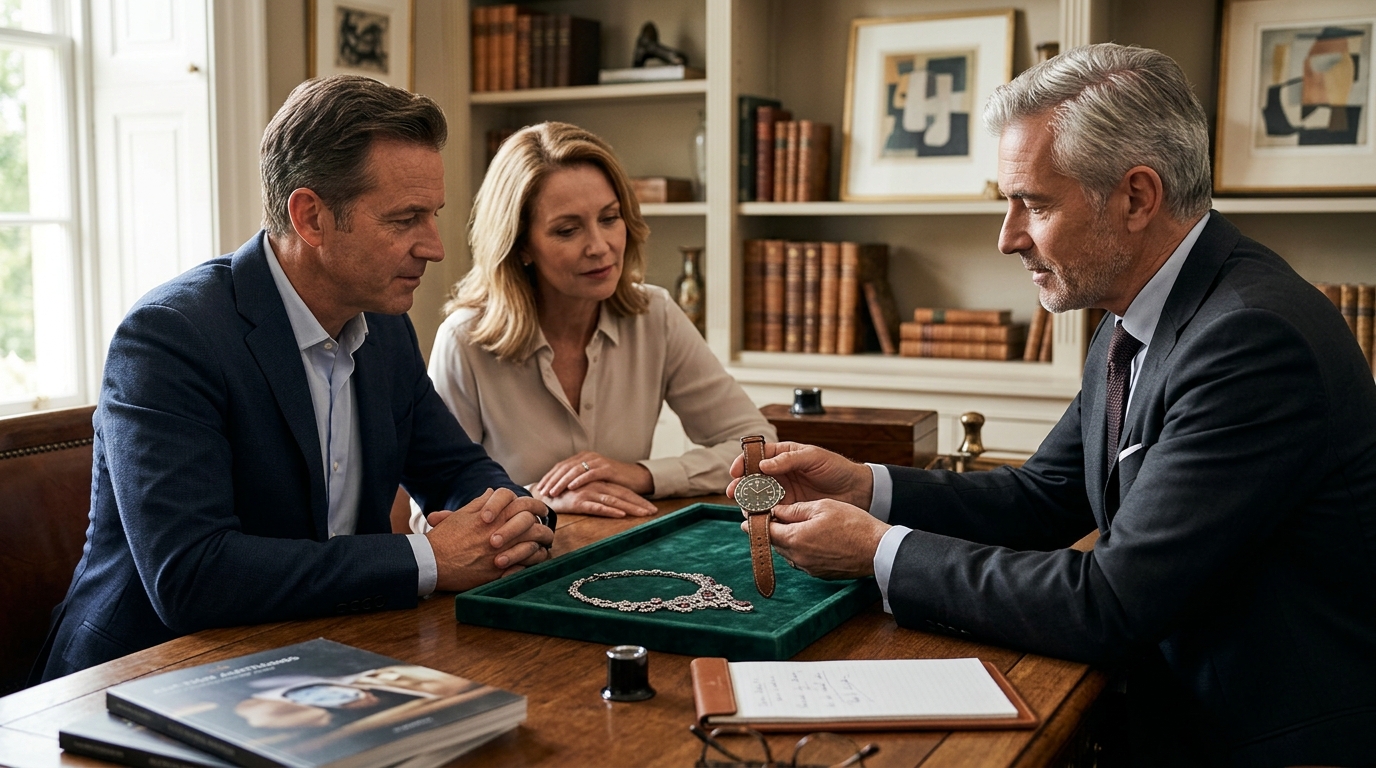
Authenticity is the non-negotiable baseline. Without proof of genuineness, an item's value drops to zero in the eyes of serious collectors and reputable dealers. This is where professional appraisal becomes critical. Experts use specialized tools and knowledge to verify serial numbers, hallmarks, and material composition. Hess Fine Art employs GIA Graduate Gemologists and certified watch experts to ensure every item is accurately identified. This rigorous verification process protects both the seller and the buyer, ensuring that the transaction is based on fact rather than assumption.
Originality also plays a huge role. Items that retain their original box, papers, and accessories are valued significantly higher than those without. These documents serve as a chain of custody, proving the item's history and legitimacy. For collectors, the presence of these accessories is often the deciding factor in making an offer. Therefore, preserving all documentation and packaging is essential for maximizing resale value.
Provenance and Historical Significance
Provenance refers to the history of ownership of an item. For art, antiques, and rare collectibles, a documented history can dramatically increase value. If an item was previously owned by a notable figure, featured in a significant event, or part of a famous collection, its worth can multiply. This is particularly true in the art and auction markets, where the story behind the piece is as important as the piece itself.
Historical significance adds a layer of scarcity that cannot be replicated. For example, a vintage watch from a specific era of horological innovation may be valued higher due to its technical advancements. Similarly, rare coins with historical minting errors or limited mintage runs are highly sought after by numismatists. Hess Fine Art specializes in identifying these nuances, ensuring that sellers receive fair compensation for the unique history of their items.
Documentation of provenance can include bills of sale, exhibition catalogs, or letters of authenticity. These documents provide a verifiable link to the item's past, reducing risk for buyers and increasing confidence in the purchase. In the absence of such documentation, the item's value is often discounted to account for the uncertainty. Therefore, maintaining a clear and detailed record of ownership is a crucial aspect of luxury item preservation.
Rarity and Supply Dynamics
The fundamental economic principle of supply and demand dictates that rare items with high demand will command premium prices. In the luxury market, rarity can be manufactured by the brand through limited production runs or can occur naturally due to age and attrition. Items that are no longer produced and exist in limited numbers are inherently more valuable.
For example, certain Rolex models are produced in such limited quantities that they become instant collectibles. Similarly, vintage jewelry from specific design eras, such as Art Deco or Mid-Century Modern, is scarce because few pieces survive in good condition. This scarcity creates a competitive bidding environment, driving up prices. Hess Fine Art leverages its extensive network and market knowledge to identify these rare opportunities, ensuring that sellers are aware of the unique value of their items.
Supply dynamics also change over time. As items are lost, damaged, or absorbed into private collections, the available supply on the open market decreases. This can lead to a sudden spike in value for certain categories. For instance, the market for vintage gold and silver coins is influenced by the availability of bullion and the demand for historical pieces. Understanding these trends allows sellers to anticipate market movements and time their sales effectively.
Current Market Trends and Economic Factors
The luxury resale market is dynamic, with trends shifting rapidly based on consumer preferences and global events. Recent years have seen a surge in interest for sustainable luxury, with more consumers seeking pre-owned items to reduce environmental impact. This shift has created new opportunities for sellers of high-quality pre-owned goods.
Economic factors such as interest rates, inflation, and currency fluctuations also play a role. In times of high inflation, tangible assets like gold and silver often appreciate as investors seek to preserve wealth. Similarly, changes in consumer confidence can affect the demand for luxury fashion and accessories. Hess Fine Art stays ahead of these trends by monitoring global markets and adjusting buying strategies accordingly. This ensures that clients receive the most accurate and competitive offers possible.
Additionally, the rise of online marketplaces has increased transparency and competition in the luxury resale space. While this has made it easier for sellers to reach a global audience, it has also intensified price competition. Therefore, working with a reputable dealer who understands the nuances of the market is essential for securing the best possible price. Hess Fine Art combines the reach of online platforms with the expertise of in-person appraisal to provide a seamless and profitable selling experience.
Valuation Factors Comparison
| Factor | Impact on Value | Key Considerations |
|---|---|---|
| Brand Prestige | High | Heritage, current demand, and market reputation. |
| Condition | Very High | Originality, wear, and maintenance history. |
| Provenance | Moderate to High | Documentation of ownership and historical significance. |
| Rarity | High | Supply scarcity and collector demand. |
| Market Trends | Variable | Economic conditions and consumer preferences. |
Key Takeaways
- Brand Matters: Prestigious brands like Rolex and Cartier generally hold value better due to strong market demand and heritage.
- Condition is Critical: Items in excellent, original condition with all accessories command the highest prices.
- Provenance Adds Value: Documented history and ownership can significantly increase the worth of art and antiques.
- Rarity Drives Price: Limited supply and high demand create premium valuations for rare collectibles.
- Market Timing: Economic factors and trends influence buyer behavior and optimal selling times.
- Expert Appraisal: Professional verification ensures accurate valuation and protects against fraud.
- Documentation: Keeping original boxes, papers, and receipts is essential for maximizing resale value.
Frequently Asked Questions
How does condition affect the resale value of a luxury watch?
Condition is one of the most important factors. Watches in excellent condition with original parts and minimal wear command higher prices. Any modifications or replacements can significantly reduce value.
What is the role of provenance in valuing art?
Provenance provides a documented history of ownership. Items with a clear and prestigious provenance are valued higher because they offer authenticity and historical significance.
Do luxury items always depreciate?
No. While many luxury items depreciate, certain brands and models, particularly from Rolex and Patek Philippe, can appreciate in value due to scarcity and high demand.
How can I increase the resale value of my jewelry?
Keep all original documentation, boxes, and certificates. Maintain the jewelry in excellent condition and avoid unnecessary repairs that replace original parts.
Why is professional appraisal important?
Professional appraisal ensures accurate identification and valuation. It protects sellers from underpricing and buyers from overpaying for misrepresented items.
What market trends should I watch for?
Monitor economic indicators like inflation and interest rates, as well as consumer trends toward sustainability and vintage styles. These factors influence demand for different luxury categories.
How does Hess Fine Art determine value?
Hess Fine Art uses a combination of expert appraisal, market data, and direct buying power to provide fair and competitive offers for a wide range of luxury items.
Get Your Expert Offer
Understanding the factors that influence resale value is the first step toward maximizing your returns. Whether you are looking to sell watches, jewelry, art, or collectibles, working with experts who understand the nuances of the market is essential. Hess Fine Art is one of the top buyers in the USA, with the most experienced and educated staff in Florida. We pay the most because we can identify your items accurately and offer fair compensation.
Don't leave money on the table. Contact us today to get a professional appraisal and a competitive offer for your luxury items. Visit our Sell to Us page to learn more about our process. For more insights on luxury valuation, explore our Articles section. If you have specific questions, our team is ready to assist you at our Contact Us page. Trust the experts who have been recognized by Forbes, Esquire, and other leading publications for their authority in the field.