
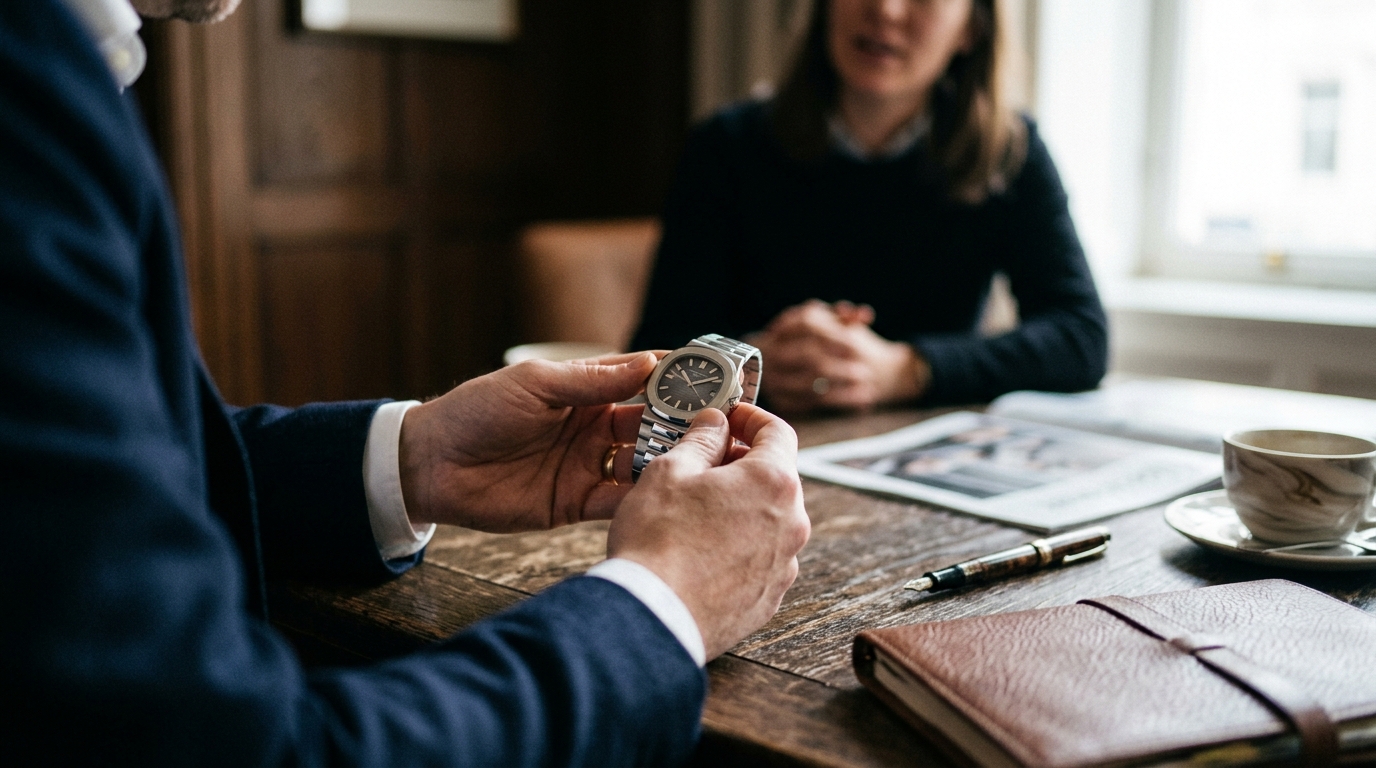
The global luxury watch market has experienced a dramatic shift in recent years, transforming from a niche hobbyist pursuit into a serious asset class. According to recent market analyses, the secondary market for high-end timepieces has seen significant volatility, with some models appreciating by over 200% while others depreciate rapidly. This dynamic environment means that buying a luxury watch for investment is not merely about acquiring a beautiful object, but about making a calculated financial decision. Many collectors fall into the trap of emotional purchasing without understanding the underlying mechanics of value retention. This guide outlines the critical errors that can derail your investment strategy and how to avoid them. (Contact Hess Fine Art)
Understanding Market Dynamics and Volatility
One of the most frequent mistakes investors make is assuming that all luxury watches appreciate in value linearly. The reality is that the market is highly segmented and volatile. While certain iconic models from brands like Rolex and Patek Philippe have shown robust growth, the broader market has corrected significantly since the peak of the pandemic era. According to data from the Knight Frank Luxury Investment Index, luxury watch values have fluctuated, highlighting the need for careful timing and selection. Investors often overlook the difference between retail price and secondary market price, leading to immediate negative equity upon purchase.
Another error is ignoring macroeconomic factors. Interest rates, currency fluctuations, and global economic stability all influence collector sentiment. When liquidity tightens, high-end assets often see reduced demand. It is essential to view watch collecting as a long-term hold rather than a quick flip. Short-term trading incurs transaction costs and spreads that can erode potential profits. Understanding the cyclical nature of the market helps investors buy during dips and sell during peaks, maximizing returns.
The Critical Role of Authenticity and Provenance
Authenticity is the non-negotiable foundation of any luxury watch investment. A single counterfeit component can render a watch worthless to serious collectors. Many buyers fail to verify the provenance of a piece, relying instead on the seller's word or a generic certificate. Provenance refers to the history of ownership and documentation that traces the watch back to its origin. For vintage pieces, this might include original boxes, papers, and service records. Without this documentation, the watch's value is significantly diminished because its authenticity cannot be guaranteed.
Investors often make the mistake of buying "unverified" or "untested" watches at a discount, hoping to profit from the restoration. This is a high-risk strategy that requires expert knowledge. A watch with a clean, documented history commands a premium because it reduces risk for the next buyer. Always insist on third-party authentication from recognized experts or institutions. For example, GIA Graduate Gemologists and certified watchmakers provide the necessary verification to ensure you are not purchasing a replica or a heavily modified piece. The cost of authentication is negligible compared to the loss of capital on a fake.
Condition, Originality, and Service History
Originality is a key driver of value in the vintage watch market. Many collectors mistakenly believe that a "restored" watch is better because it looks new. However, in the investment world, originality often trumps condition. A watch with its original dial, hands, and case, even if worn, is often worth more than a fully restored version. This is because restoration can alter the historical integrity of the piece. Collectors are willing to pay a premium for "patina" and originality, which tells the story of the watch's life.
Service history is another critical factor. A watch that has been serviced by the manufacturer or a recognized specialist maintains its value better than one with unknown repair history. Frequent or improper servicing can damage the movement or case, reducing its appeal. Investors should look for watches with a clear service record that documents every intervention. This transparency assures future buyers that the watch has been maintained to high standards. Ignoring the importance of service history is a common mistake that leads to unexpected costs and reduced resale value.
Strategic Brand and Model Selection
Not all luxury brands are created equal when it comes to investment potential. Many buyers spread their capital across too many brands, diluting their expertise and exposure. It is more effective to focus on a few key brands with strong secondary market performance. Rolex, Patek Philippe, and Audemars Piguet are often considered the "blue chip" brands due to their consistent demand and liquidity. However, even within these brands, not all models perform equally. Sports models like the Rolex Daytona or Patek Philippe Nautilus often outperform dress watches.
Another mistake is chasing trends without understanding the underlying value. A model that is hyped today may lose its appeal tomorrow. Investors should focus on timeless designs and limited production runs that create scarcity. Scarcity drives demand, which in turn drives price. Understanding the production numbers and rarity of a specific reference is crucial. For instance, a Rolex with a discontinued dial or a unique complication may hold its value better than a standard production model. Diversification within a niche is smarter than broad diversification across weak brands.
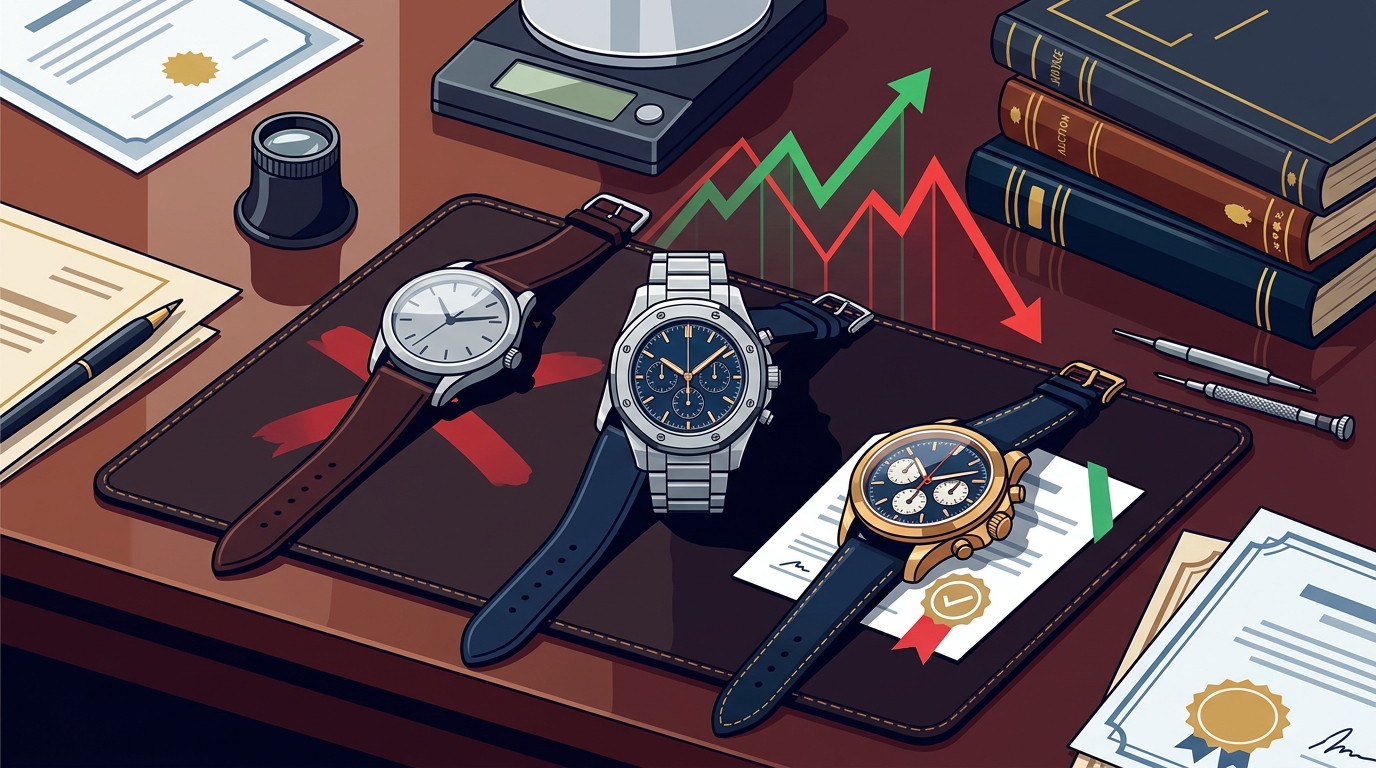
Liquidity, Storage, and Resale Realities
Liquidity is often overlooked by new investors. Unlike stocks or bonds, luxury watches are not instantly convertible to cash. Selling a high-value watch can take weeks or even months, depending on the model and market conditions. Many buyers assume they can sell quickly at the price they paid, which is rarely the case. Transaction costs, such as auction fees or dealer margins, further reduce net returns. It is essential to have a clear exit strategy before making a purchase.
Storage and insurance are also hidden costs that impact investment returns. High-value watches require secure storage, such as a safe or a professional vault, to protect against theft and damage. Insurance premiums add to the holding cost, which must be factored into the potential profit. Neglecting these logistical details can turn a profitable investment into a net loss. Working with experts who understand the nuances of secure storage and insurance can help mitigate these risks. For example, Hess Fine Art offers specialized services for the appraisal and secure handling of high-value collectibles, ensuring your assets are protected.
Key Takeaways
- Market Volatility: Luxury watch values fluctuate; do not assume linear appreciation. Data shows significant shifts in secondary market prices since 2020.
- Provenance is Key: Original boxes, papers, and service records significantly increase value and authenticity assurance.
- Originality Over Restoration: Vintage watches with original dials and cases often command higher premiums than fully restored ones.
- Brand Focus: Concentrate on "blue chip" brands like Rolex and Patek Philippe for better liquidity and value retention.
- Liquidity Risks: Watches are illiquid assets; plan for a long-term hold and account for transaction costs.
- Expert Verification: Always use third-party authentication from certified gemologists or watchmakers to avoid counterfeits.
- Scarcity Drives Value: Limited production runs and discontinued models tend to perform better in the long term.
Frequently Asked Questions
Is buying luxury watches a good investment?
Buying luxury watches can be a good investment if you focus on rare, high-demand models from reputable brands. However, it is a specialized market with risks, including volatility and liquidity issues. It is not a guaranteed return like traditional financial instruments.
How do I verify the authenticity of a luxury watch?
Authenticity can be verified through third-party authentication services, certified watchmakers, or gemologists. Look for original documentation, such as certificates of authenticity, service records, and original packaging. Reputable dealers also provide guarantees of authenticity.
What is the most important factor in watch value?
Originality and provenance are often the most critical factors. A watch with a documented history and original components is more valuable than one that has been heavily modified or restored. Brand reputation and model rarity also play significant roles.
How long should I hold a luxury watch for investment?
Most experts recommend a long-term holding period of at least five to ten years. This allows the watch to ride out market fluctuations and potentially benefit from long-term appreciation trends. Short-term trading is risky due to transaction costs and market volatility.
Can I insure my luxury watch investment?
Yes, luxury watches can be insured through specialized policies that cover theft, loss, and damage. It is important to have the watch appraised regularly to ensure adequate coverage. Professional storage solutions may also offer insurance benefits.
What are the best brands for watch investment?
Rolex, Patek Philippe, and Audemars Piguet are generally considered the best brands for investment due to their strong secondary market performance and liquidity. Within these brands, sports models and limited editions tend to perform best.
How do I sell a luxury watch for the best price?
To sell for the best price, consider auction houses, specialized dealers, or private sales. Auctions can generate high prices for rare pieces, while dealers offer convenience and immediate payment. Working with experts who understand market trends can help maximize your return.
Consult Investment Experts
Navigating the complex world of luxury watch investment requires expertise, experience, and access to the right networks. Whether you are looking to buy, sell, or appraise high-value timepieces, working with seasoned professionals can protect your capital and maximize your returns. Hess Fine Art offers comprehensive services for the acquisition and liquidation of luxury watches, jewelry, and collectibles. Our team of experts, including GIA Graduate Gemologists and certified watchmakers, provides the verification and market insight needed to make informed decisions. Contact us today to discuss your investment goals and explore our current inventory of prestigious timepieces. Visit our Sell Your Items page to get started, or learn more about our Hess Fine Auctions process. For more insights, read our Articles on market trends and valuation.