
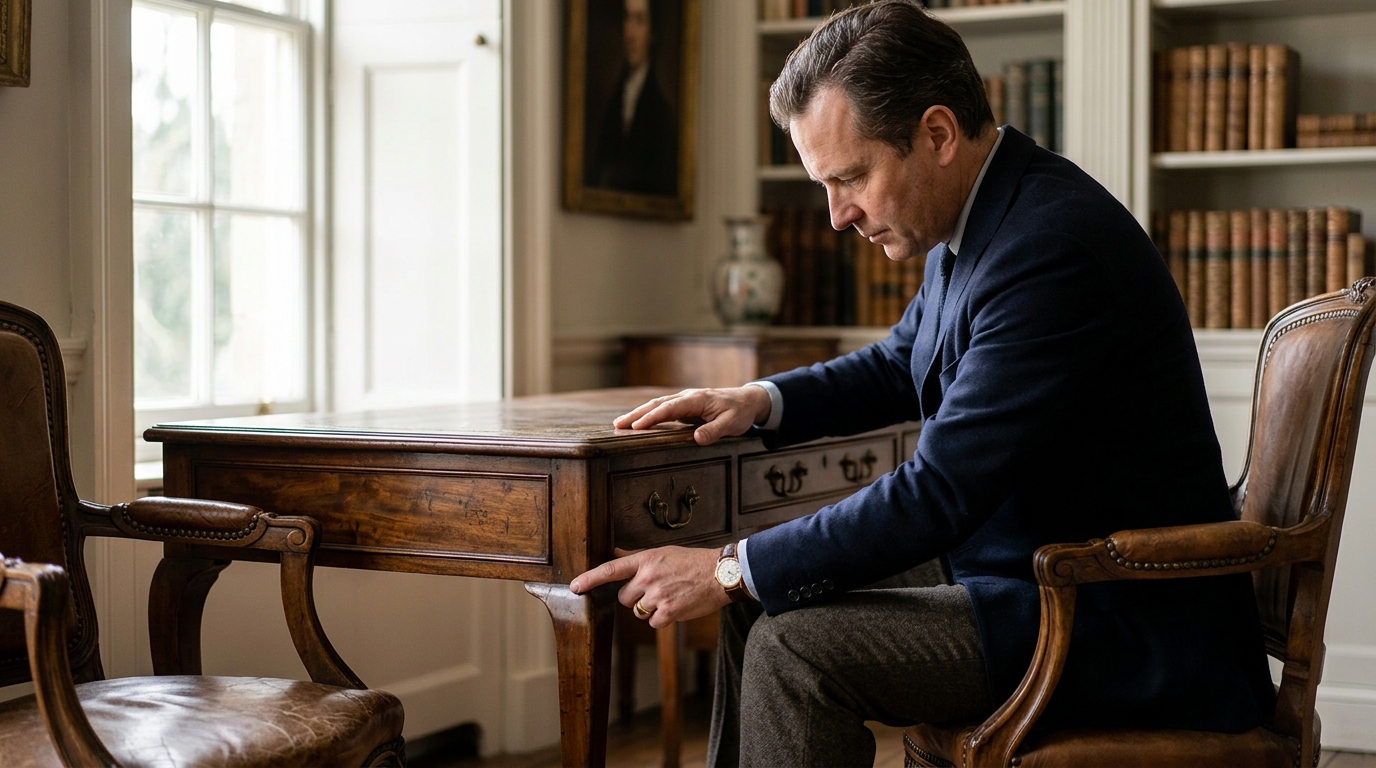
Antique furniture represents a significant portion of the collectible market, with global sales reaching billions of dollars annually. According to recent industry data, the secondary market for vintage home furnishings has grown by over 15% in the last five years. However, misjudging the condition of these pieces is the primary reason collectors lose value. A single overlooked flaw can reduce an item's worth by half. This guide outlines the critical errors to avoid when assessing antique furniture. (Art Auctions Watches amp)
Structural Integrity Errors
The most common mistake is focusing solely on aesthetics while ignoring the skeleton of the piece. Antique furniture relies on traditional joinery techniques that degrade over time. Ignoring these signs leads to purchasing items that require expensive repairs.
Ignoring Joint Failure
Wood expands and contracts with humidity changes. Over decades, glue joints fail. Look for gaps in mortise and tenon joints. If a chair wobbles, the structural integrity is compromised. This is not a cosmetic issue. It is a fundamental flaw that affects usability and value.
Overlooking Frame Warping
Flat surfaces like tabletops or cabinet doors often warp. Minor warping is normal. Severe twisting indicates poor storage conditions in the past. Always check for levelness. A warped frame suggests the wood was not properly seasoned or was exposed to moisture.
Surface Finish and Patina Misinterpretations
Patina is the surface sheen developed over time. It is highly valued by collectors. However, many people confuse patina with damage or dirt. This leads to two major errors: over-cleaning or under-valuing a piece.
Defining True Patina
Patina is a smooth, glossy surface created by years of handling and oxidation. It is not dirt. It is not a modern polish. True patina adds value. It proves the item is authentic and has been used. Removing it destroys the historical narrative.
The Danger of Over-Cleaning
Using harsh chemicals or abrasive pads removes the patina. This exposes the raw wood underneath. The result is a dull, uneven surface. This is a permanent mistake. Never use modern furniture polish on antique finishes. Use only specialized, gentle cleaners.
Identifying Finish Replacement
Some sellers claim a piece is "original." Check the finish. If the color is too uniform or the grain looks painted, the finish may have been replaced. Original finishes have variations. They show wear in high-contact areas. Uniformity often signals a modern refinish.
Provenance and Documentation Oversights
Provenance is the history of ownership. It adds significant value. Ignoring documentation is a critical error. A piece with a known history is worth more than an identical piece without it.
The Value of Documentation
Receipts, appraisals, and photographs from previous owners prove authenticity. They also provide context. A piece from a famous estate or historical figure commands a premium. Always ask for provenance. If it is not provided, assume it is lacking.
Risks of Forged Provenance
Some sellers create fake documentation. This is common with high-value items. Verify all documents. Check the paper age and ink type. Consult an expert if the provenance seems too perfect. Authentic documents have age-appropriate wear and tear.
The Impact of Modern Restoration
Restoration can save a piece. It can also destroy its value. The key is knowing the difference between conservation and restoration.
Conservation vs. Restoration
Conservation stabilizes the piece without altering its appearance. It is preferred. Restoration often involves replacing parts or refinishing. This reduces value. Collectors prefer original material. Even if it is damaged.
Identifying Replaced Parts
Check for new wood. New wood does not have the same color or grain as old wood. It may also be a different species. Look for tool marks. Modern tools leave different marks than antique ones. If parts are replaced, the value drops significantly.
The Effect of Refinishing
Refinishing removes the patina. It also removes the history. A piece that has been refinished is worth less than one with original finish. Even if the refinish is high quality. The loss of patina is permanent.
Material and Construction Analysis
Understanding the materials used is essential. It helps identify the age and origin of the piece. Ignoring material details leads to misidentification.
Identifying Wood Types
Different woods were used in different eras. Oak was popular in the 19th century. Mahogany was common in the 18th century. Pine was used for less expensive pieces. Knowing the wood helps verify the date. It also helps identify the region of origin.
Checking Hardware and Fasteners
Old hardware is often hand-forged. It has irregularities. New hardware is machine-made and uniform. Check screws, nails, and hinges. Square nails indicate an earlier date. Round screws suggest a later period. Hardware can help date a piece accurately.
Inspecting Back Panels
The back of a piece is often overlooked. It can reveal construction methods. Hand-cut dovetails indicate an earlier date. Machine-cut dovetails suggest a later period. Look for tool marks. They provide clues about the manufacturing process.
Condition Grading Comparison
Understanding condition grades helps in valuation. Here is a comparison of common grading terms.
| Grade | Description | Impact on Value | Typical Issues |
|---|---|---|---|
| Mint | Original condition with no flaws. | Maximum value. | None. |
| Excellent | Minor wear, fully functional. | High value. | Light patina loss. |
| Very Good | Some wear, minor repairs. | Moderate value. | Small replacements. |
| Good | Visible wear, functional. | Reduced value. | Structural repairs. |
| Fair | Significant damage, needs work. | Low value. | Major restoration needed. |
Key Takeaways
- Structural integrity is more important than cosmetic appearance. Always check joints and frames first.
- Patina adds value. Never over-clean or refinish an antique without professional advice.
- Provenance documents significantly increase value. Always request ownership history.
- Conservation is preferred over restoration. Original material is always more valuable.
- Hardware and wood types help date a piece. Look for hand-forged nails and period-specific woods.
- Condition grading affects price. Understand the difference between mint and fair condition.
- Expert appraisal is crucial. Hess Fine Art provides professional evaluation services.
Frequently Asked Questions
How do I distinguish between patina and dirt?
Patina is a smooth, glossy surface created by oxidation and handling. It feels smooth to the touch. Dirt is rough and can be wiped away. Patina is part of the finish. It cannot be removed without damaging the piece.
Does replacing original hardware reduce value?
Yes. Original hardware is part of the history. Replacing it with new hardware reduces authenticity. Collectors prefer original parts. Even if they are worn. Original hardware adds to the value.
What is the most common mistake in antique furniture evaluation?
The most common mistake is ignoring structural integrity. Focusing only on looks leads to buying pieces that need expensive repairs. Always check joints and frames before admiring the finish.
How does provenance affect the price of antique furniture?
Provenance adds significant value. A piece with a known history is worth more. It proves authenticity. It also provides context. Documentation can double the value of a piece.
Can I refinish an antique furniture piece myself?
No. Refinishing removes patina. It reduces value. Always consult a professional. They can advise on conservation vs. restoration. Proper care preserves the historical integrity.
What tools should I use to inspect antique furniture?
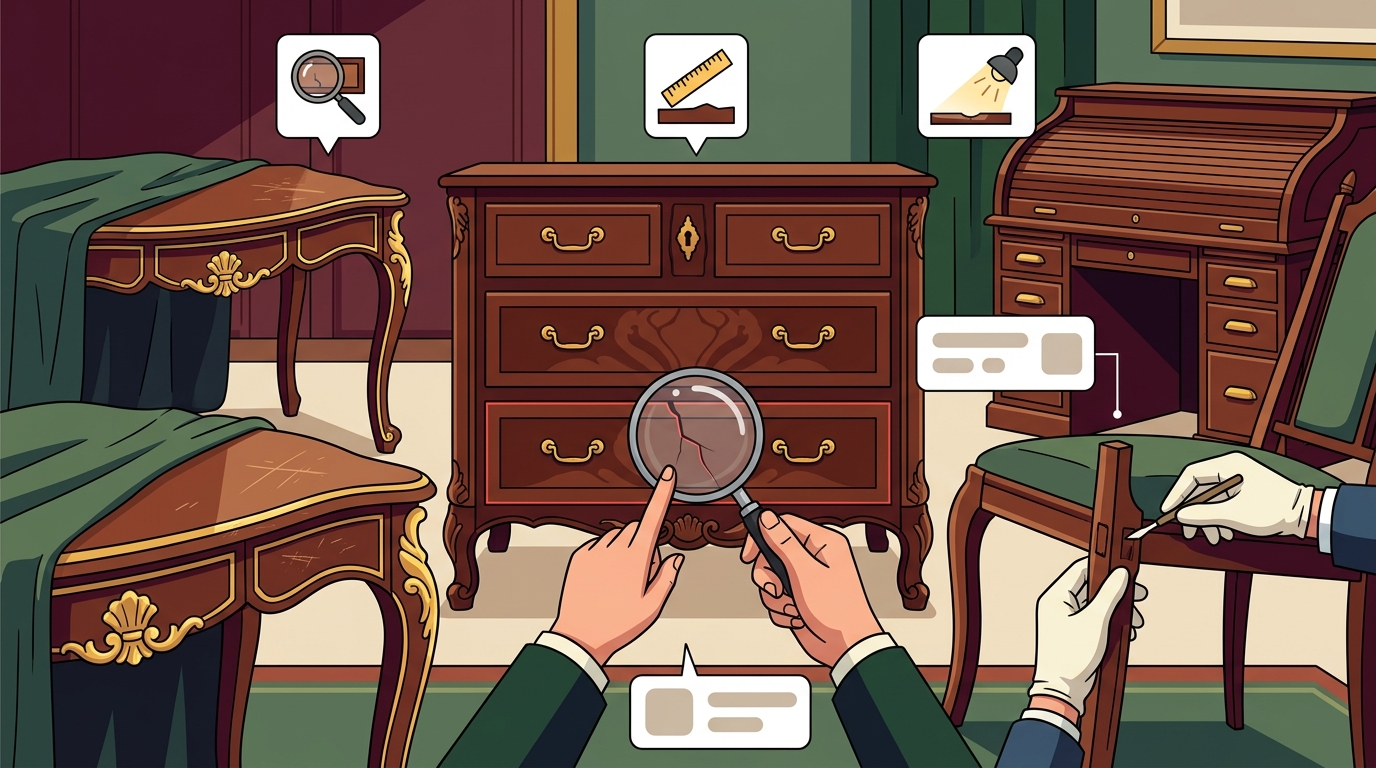
Use a magnifying glass to check for tool marks. Use a flashlight to see under surfaces. Check for irregularities in hardware. These details reveal the age and origin of the piece.
Why is wood type important in evaluation?
Different woods were used in different eras. Knowing the wood helps verify the date. It also helps identify the region of origin. Oak, mahogany, and pine have distinct historical uses.
Get Your Antique Furniture Evaluated by Experts
Do not risk your investment by guessing the value of your antique furniture. The experts at Hess Fine Art provide professional appraisal and buying services. We have the most experienced and educated staff in Florida. We buy millions of dollars worth of items every year. Contact us today for a fair valuation. Sell your items to the top buyers in the USA. Visit our About Us page to learn more about our history. Call 1-800-922-4377 to get started.