
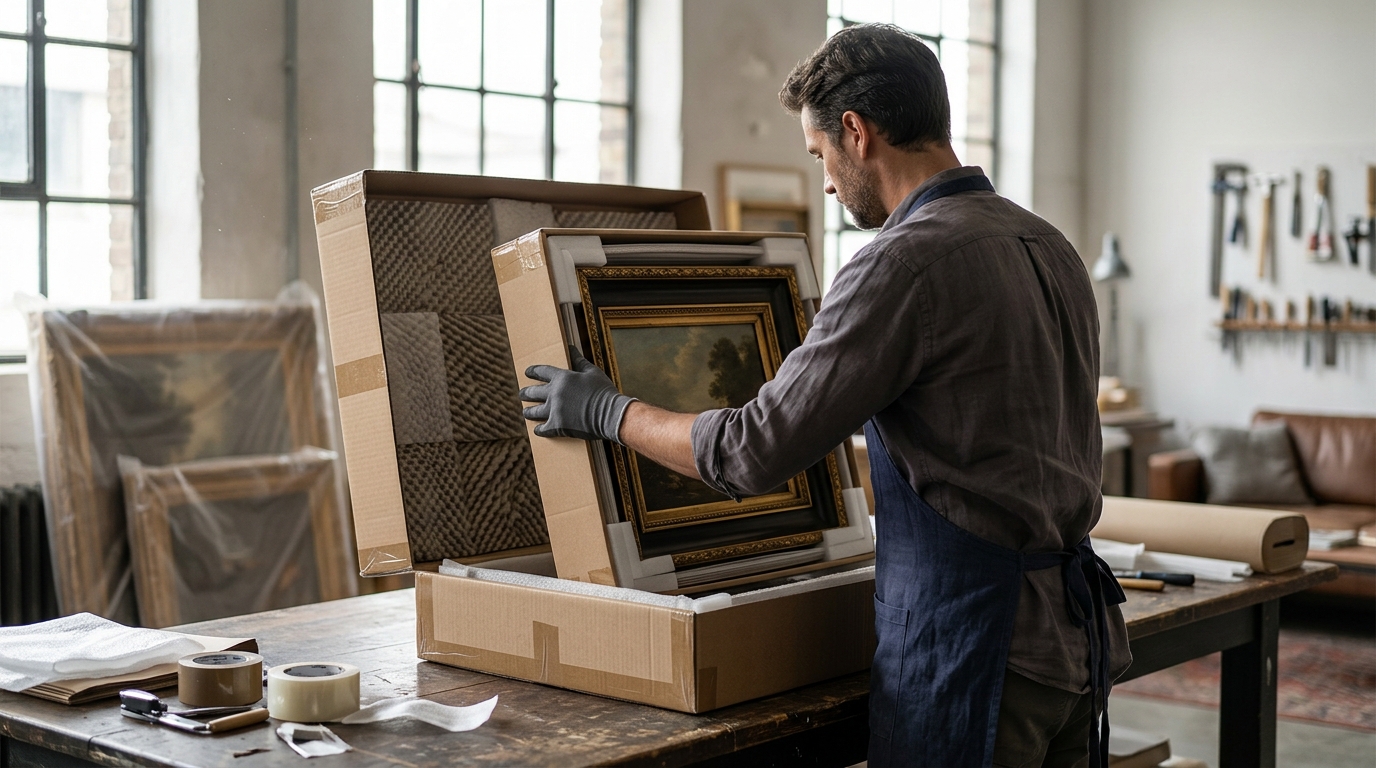
Double boxing creates a rigid, cushioned barrier that absorbs impact and isolates fragile artwork from external shocks. This method significantly reduces the risk of frame damage, canvas tearing, and glass shattering during transit. By separating the piece from the outer container, shippers ensure that valuable items arrive in pristine condition for buyers and collectors. For additional details, review the Contact Hess Fine Art.
Structural Integrity and Shock Absorption
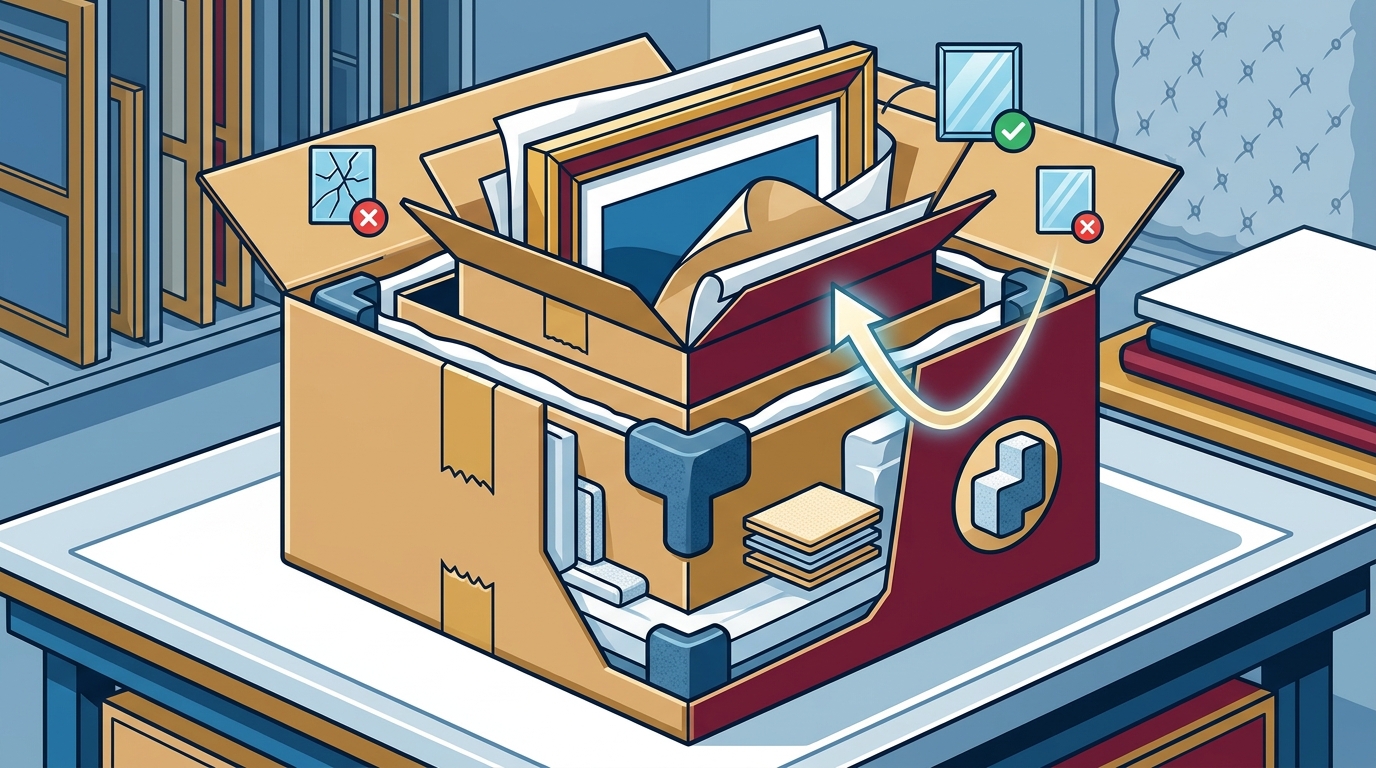
Double boxing is a packaging technique where a primary inner box holds the artwork, and a larger outer box surrounds it with void-fill material. This configuration creates a critical buffer zone that prevents direct contact between the artwork and the shipping container walls. When a package drops or experiences vibration, the outer box absorbs the initial kinetic energy. The inner box then remains relatively stable, protecting delicate surfaces like gilded frames or glass panels. For additional details, review the About Hess Fine Art.
Consider a large oil painting with a heavy wooden frame. If packed in a single box, a drop could cause the frame to strike the cardboard, resulting in cracks or splinters. With double boxing, the artwork floats within the inner container, suspended by foam or bubble wrap. This isolation ensures that the structural components of the art remain intact. The outer box acts as a sacrificial layer, taking the brunt of any impact. For additional details, review the Articles Hess Fine Art.
Environmental Control and Climate Stability
Temperature and humidity fluctuations can cause wood to warp and canvas to stretch or shrink. Double boxing provides an additional layer of insulation against these environmental changes. The air gap between the inner and outer boxes acts as a thermal buffer, slowing the rate at which external temperature changes affect the artwork. This is particularly important for long-distance shipments where the package may pass through different climate zones.
For example, shipping a watercolor piece from a humid coastal city to a dry inland region can be risky. The double box helps maintain a more stable microclimate around the paper. This reduces the risk of cockling or warping. By controlling the immediate environment, shippers protect the material integrity of the artwork. This is a key reason why professional art handlers prefer this method for sensitive pieces.
Handling Safety and Theft Deterrence
Double boxing also enhances handling safety for warehouse workers and delivery personnel. The outer box provides a sturdy surface for gripping, reducing the chance of accidental drops. The inner box is typically labeled with specific handling instructions, such as 'This Side Up' or 'Fragile.' This clear communication ensures that the package is treated with care at every stage of the logistics chain.
Furthermore, double boxing can serve as a deterrent to theft or tampering. The outer box can be sealed with tamper-evident tape, and the inner box can be secured with additional locks or seals. This layered security makes it more difficult for unauthorized individuals to access the artwork. For high-value pieces, this added security is a significant advantage. It provides peace of mind for both the seller and the buyer.
Insurance Standards and Professional Protocols
Most fine art insurance policies require specific packaging standards to validate a claim. Double boxing is often a mandatory requirement for high-value shipments. Insurers view this method as the industry standard for protecting valuable items. If an artwork is damaged in transit and was not double boxed, the insurance company may deny the claim. This makes proper packaging not just a safety measure, but a financial necessity.
Professional art handlers, such as those at Hess Fine Art, adhere to these strict protocols. They understand that the value of a piece is not just in its aesthetic appeal, but in its physical condition. By following established shipping standards, they ensure that their clients' investments are protected. This commitment to excellence is why they are recognized as top buyers in the US.
Key Takeaways
- Double boxing creates a buffer zone that absorbs impact and prevents direct contact with the outer container.
- The air gap between boxes provides insulation against temperature and humidity changes.
- Sturdy outer boxes improve handling safety and reduce the risk of accidental drops.
- Insurance policies often mandate double boxing for high-value art shipments.
- Professional handlers use this method to ensure artwork arrives in pristine condition.
Frequently Asked Questions
What is the main benefit of double boxing for art?
The main benefit is shock absorption. The inner box isolates the artwork from the outer container, preventing damage from drops or vibrations.
Is double boxing required for all art shipments?
It is not required for all shipments, but it is strongly recommended for valuable or fragile pieces. Many insurance policies require it for high-value items.
How much space is needed between the inner and outer boxes?
A minimum of two to three inches of void-fill material is recommended on all sides. This ensures adequate cushioning for impact absorption.
Can double boxing be used for sculptures?
Yes, double boxing is effective for sculptures as well. The inner box can be custom-fitted to the shape of the sculpture, providing secure support.
Who should handle double boxing for valuable art?
It is best to have double boxing performed by professional art handlers. They have the expertise and materials to ensure proper packaging.
Does double boxing affect the weight of the shipment?
Yes, it adds weight due to the extra cardboard and void-fill material. This should be factored into shipping costs and carrier limits.
Is double boxing a standard practice in the art industry?
Yes, it is a standard practice for shipping fine art. It is widely recognized as the best method for protecting valuable pieces during transit.
Conclusion
Double boxing is an essential technique for protecting valuable artwork during shipping. It provides structural integrity, environmental control, and enhanced security. By following professional protocols, you can ensure that your art arrives safely and in perfect condition. For those looking to sell or buy fine art, understanding these shipping standards is crucial. Hess Fine Art offers expert guidance and services for all your art needs. Contact them today to learn more about how they can help you protect and sell your collection.