
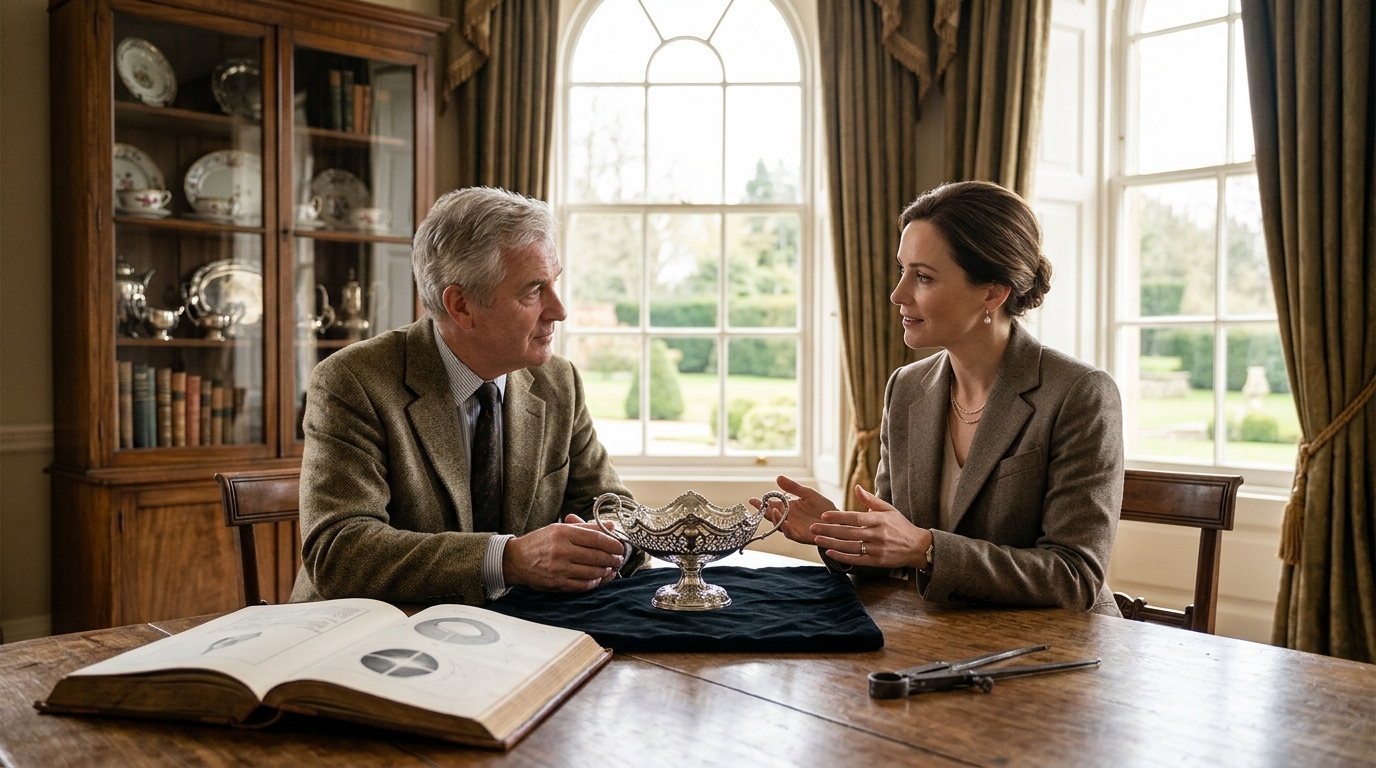
Reputable buyers for expensive antique collections are verified professionals with documented credentials, transparent valuation methods, and a track record of fair market transactions. This guide covers independent appraisal, auction houses, dealer credentials, and valuation transparency. It helps you navigate the market safely and maximize the value of your heritage items.
Independent Appraisal
Independent appraisal is the process of obtaining an unbiased professional opinion on the market value of an item. For high-value collections, this step is critical because it establishes a baseline before you engage with buyers. An appraiser should not be the same entity that intends to purchase the items. This separation ensures that the valuation is driven by market data rather than a desire to acquire the collection at a lower price.
The Role of Specialized Appraisers
Generalist appraisers may lack the depth required for specific categories like vintage watches or rare art. You should seek professionals who specialize in your specific collection type. For example, a gemologist is essential for jewelry, while a horologist is required for timepieces. These specialists understand the nuances of condition, provenance, and rarity that significantly impact final sale prices.
Choosing the Right Appraiser
Look for appraisers who are members of recognized professional bodies. Credentials from organizations like the American Society of Appraisers or the International Society of Appraisers indicate a commitment to ethical standards. The appraiser should provide a written report that details the methodology used to determine value. This document serves as a powerful tool when negotiating with buyers.
Auction Houses
Auction houses are public marketplaces where items are sold to the highest bidder. They offer a transparent environment where value is determined by open competition. For expensive antique collections, auctions can provide access to a global network of serious collectors. However, they also come with fees and a less predictable timeline compared to private sales.

Online vs. Live Auctions
Modern auction houses operate both live and online. Online platforms allow bidders from around the world to participate, which can drive prices higher. Live auctions offer a tactile experience and immediate feedback. Many reputable houses, such as Hess Fine Auctions, utilize both models to maximize reach. They have been a leading online auctioneer since 1997, demonstrating long-term stability in the digital marketplace.
Understanding Auction Fees
Sellers must understand the fee structure before consigning items. Auction houses typically charge a seller's commission, which can range from 10% to 25% of the hammer price. Some houses also charge buyer's premiums, which are added to the final price paid by the buyer. It is essential to calculate the net proceeds after all fees to determine if an auction is the best route for your collection.
Dealer Credentials
Dealer credentials are the professional qualifications and affiliations that verify a buyer's expertise and ethical standing. When dealing with expensive antiques, you are entrusting your items to individuals who must possess deep knowledge of the market. Verifying these credentials protects you from fraud and ensures you are dealing with a legitimate business.
Professional Affiliations
Reputable dealers are often members of industry-specific associations. For watches, membership in the National Association of Watch and Clock Collectors (NAWCC) is a strong indicator of expertise. For jewelry, affiliation with the International Watch & Jewelry Guild (IWJG) or the Gemological Institute of America (GIA) is crucial. These organizations enforce codes of ethics and require members to maintain a certain level of knowledge.
Track Record and Reputation
A dealer's history is a vital credential. Look for businesses that have been operating for many years. Longevity in the antique and collectibles market suggests stability and trustworthiness. You can verify a dealer's reputation by checking reviews on independent platforms and reading articles they may have written. For instance, Hess Fine Art is led by Jeffrey Hess, a noted Rolex expert and author, which adds a layer of academic and practical authority to their buying process.
Valuation Transparency
Comparing Offers
Documentation and Provenance
Comparison of Buyer Types
| Buyer Type | Pros | Cons | Best For |
|---|---|---|---|
| Auction Houses | Global reach, transparent bidding, high potential for rare items | Commission fees, unpredictable timeline, public exposure | Rare, high-value, or unique collections |
| Private Dealers | Quick sale, private transaction, direct negotiation | Lower offer than auction, limited buyer pool | Large collections, urgent sales, privacy-focused sellers |
| Online Marketplaces | Wide audience, low entry barrier | High fees, risk of fraud, lower price points | Lower-value items, individual pieces |
Key Takeaways
- Always obtain an independent appraisal from a specialist before selling.
- Verify dealer credentials through professional affiliations like NAWCC or IWJG.
- Understand the fee structure of auction houses to calculate net proceeds.
- Seek valuation transparency by asking for a detailed breakdown of the offer.
- Compare multiple offers to ensure you are receiving a fair market price.
- Check the dealer's track record and reputation through reviews and publications.
- Keep all documentation and provenance records organized for the sale process.
- Be wary of buyers who pressure you for a quick decision or refuse to explain pricing.
Frequently Asked Questions
What is the best way to verify a dealer's credentials?
Check for membership in recognized professional organizations such as the National Association of Watch and Clock Collectors or the International Watch & Jewelry Guild. You can also verify their reputation through independent reviews and publications.
How long does the appraisal process take?
The timeline varies by the complexity of the collection. A simple appraisal may take a few days, while a comprehensive evaluation of a large collection can take several weeks. Specialist appraisers may need more time to research provenance and condition.
Are auction houses always the best option for high-value items?
Not always. While auctions can drive high prices for rare items, they come with fees and a less predictable timeline. Private sales to reputable dealers may offer a quicker and more private transaction, though potentially at a lower price.
What should I look for in a written offer?
How can I protect myself from fraud when selling antiques?
Research the buyer thoroughly, verify their credentials, and obtain multiple offers. Never hand over items without a signed agreement and proof of payment. Use secure payment methods and keep records of all interactions.
Does provenance affect the value of an antique?
Yes, provenance can significantly impact value. A documented history of ownership, especially if it includes notable figures or events, can increase the desirability and price of an item. Provide all available documentation to the buyer or appraiser.
Conclusion
Finding reputable buyers for expensive antique collections requires diligence and knowledge. By prioritizing independent appraisal, verifying dealer credentials, and demanding valuation transparency, you can protect your investment and maximize its value. Hess Fine Art is one of the top buyers in the US, with a team of experienced and educated staff in Florida. They buy millions of dollars worth of items every year and can identify your items accurately. To plan your visit, to discuss your collection.