
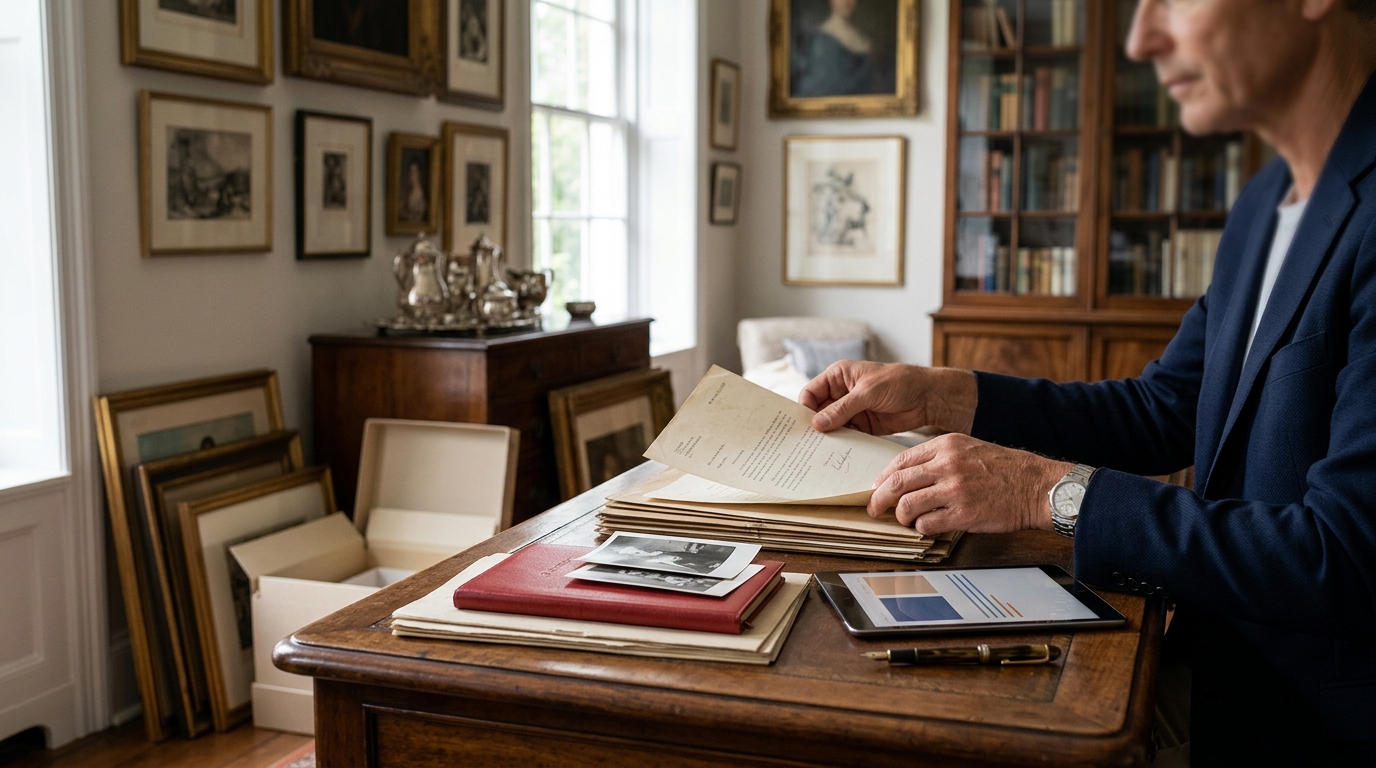
Organize your art collection by creating a detailed inventory list, photographing each piece from multiple angles, and gathering all original documentation such as certificates of authenticity and provenance records. This preparation ensures accurate valuation and speeds up the selling process. Hess Fine Art recommends thorough documentation to maximize the value of your items.
Creating a Comprehensive Inventory
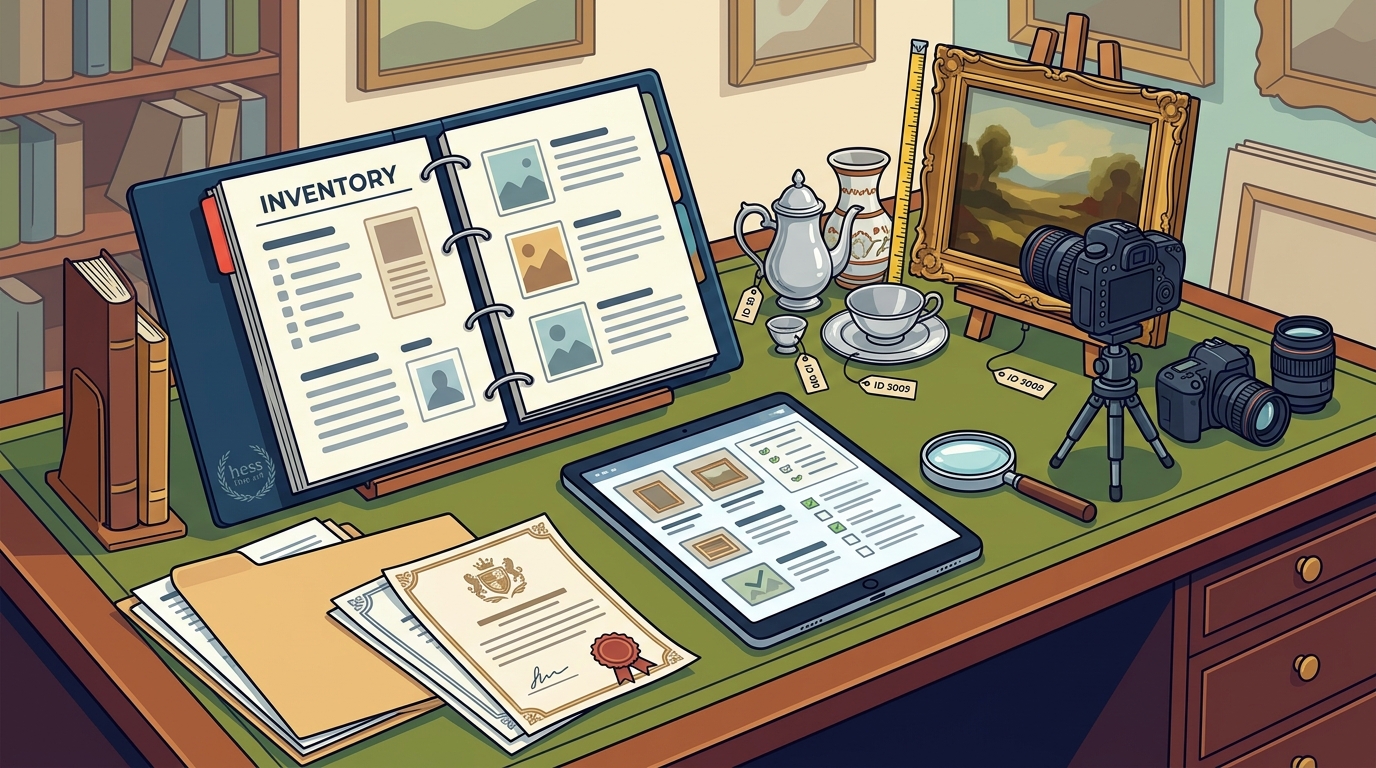
A collection inventory is a master list that catalogs every item in your possession. This document serves as the foundation for any sale or appraisal. You should record the title, artist, medium, dimensions, and creation date for each piece. Including a unique identifier for each item helps track them during the sorting process. For additional details, review the Contact Hess Fine Art.
For example, if you own a 1950s abstract painting, note the specific canvas size and frame condition. This level of detail helps buyers understand exactly what they are purchasing. It also prevents confusion if similar pieces are in your collection. For additional details, review the About Hess Fine Art.
High-Quality Photography Standards
Visual documentation is critical for remote evaluation. You should photograph each item in natural light without filters. Capture the front, back, and any signatures or labels. High-resolution images allow experts to identify materials and condition issues that might be missed in person. For additional details, review the Art Auctions Watches amp.
Consider using a neutral background to avoid color distortion. For instance, a white sheet or a plain wall works well. This standard ensures that the colors of the artwork are represented accurately in digital files.
Gathering Provenance and Certificates
Provenance is the documented history of ownership for an artwork. This history can significantly increase the value of a piece. Gather any bills of sale, exhibition records, or letters from the artist. Certificates of authenticity (COA) are also vital documents that verify the work is genuine.
If you inherited the collection, look for any notes or journals left by the previous owner. These personal records can add historical context that appeals to collectors. A well-documented piece is easier to sell and often commands a higher price.
Assessing Condition and Repairs
Condition reporting is the process of noting any damage, wear, or previous repairs. Be honest about flaws such as cracks, tears, or fading. Buyers appreciate transparency, and hidden defects can lead to disputes later. Describe the location and extent of any damage clearly in your inventory.
For example, if a sculpture has a chip on the base, note its size and whether it was professionally repaired. This information helps appraisers provide an accurate valuation. It also builds trust with potential buyers.
Organizing Files and Storage
Digital organization is just as important as physical storage. Create a folder for each item containing its photos and documents. Use a consistent naming convention for files to make them easy to find. This system allows you to quickly share specific items with buyers or appraisers.
Physical storage should protect items from environmental damage. Keep paintings away from direct sunlight and humidity. Proper storage preserves the condition of your collection until it is ready for sale.
Key Takeaways
- Create a master inventory list with details for every item.
- Photograph each piece from multiple angles in natural light.
- Gather all provenance records and certificates of authenticity.
- Document any condition issues or previous repairs honestly.
- Organize digital files with a consistent naming system.
- Store items properly to prevent environmental damage.
Frequently Asked Questions
What information should be included in an art inventory?
Your inventory should include the title, artist, medium, dimensions, date, and a unique identifier for each piece. It should also note the condition and any known provenance.
How many photos should I take of each artwork?
You should take at least three photos: one of the front, one of the back, and one close-up of any signatures or labels. More photos are better if you can capture details.
Why is provenance important for selling art?
Provenance documents the history of ownership, which can increase the value of a piece. It helps verify authenticity and adds historical context for buyers.
Should I disclose previous repairs to buyers?
Yes, you should disclose any previous repairs or damage. Transparency builds trust and prevents disputes after the sale.
How do I store my art collection safely?
Store your art in a climate-controlled environment away from direct sunlight and humidity. Use acid-free materials for framing and storage.
Next Steps for Sellers
Proper documentation is the key to a successful sale. By organizing your collection and gathering all relevant records, you make it easier for buyers to evaluate your items. Hess Fine Art is ready to help you with the next steps. Our team can review your documentation and provide a fair offer for your collection.